How to Make Six Figures Teaching Pickleball | Pickleball Coaching Business Guide
A Professional Blueprint for Building a Profitable Pickleball Coaching Business
Pickleball is one of the fastest-growing sports in the United States — and Hawaiʻi is no exception. Courts are full. Players want to improve. Demand for pickleball lessons continues to rise.
As the sport expands, more coaches are asking:
How much do pickleball coaches make — and can you realistically make six figures teaching pickleball?
The answer is yes.
But not by accident — and not without structure.
Most coaches stay stuck between $40,000–$70,000 per year because they build schedules, not scalable systems.
If you want to build a six-figure pickleball coaching business, you need strategy, disciplined pricing, recurring revenue, and a clear understanding of profit margins.
This guide explains exactly how to do it.
Understanding Pickleball Coach Income
Before learning how to make six figures teaching pickleball, you must understand how pickleball coach income actually works.
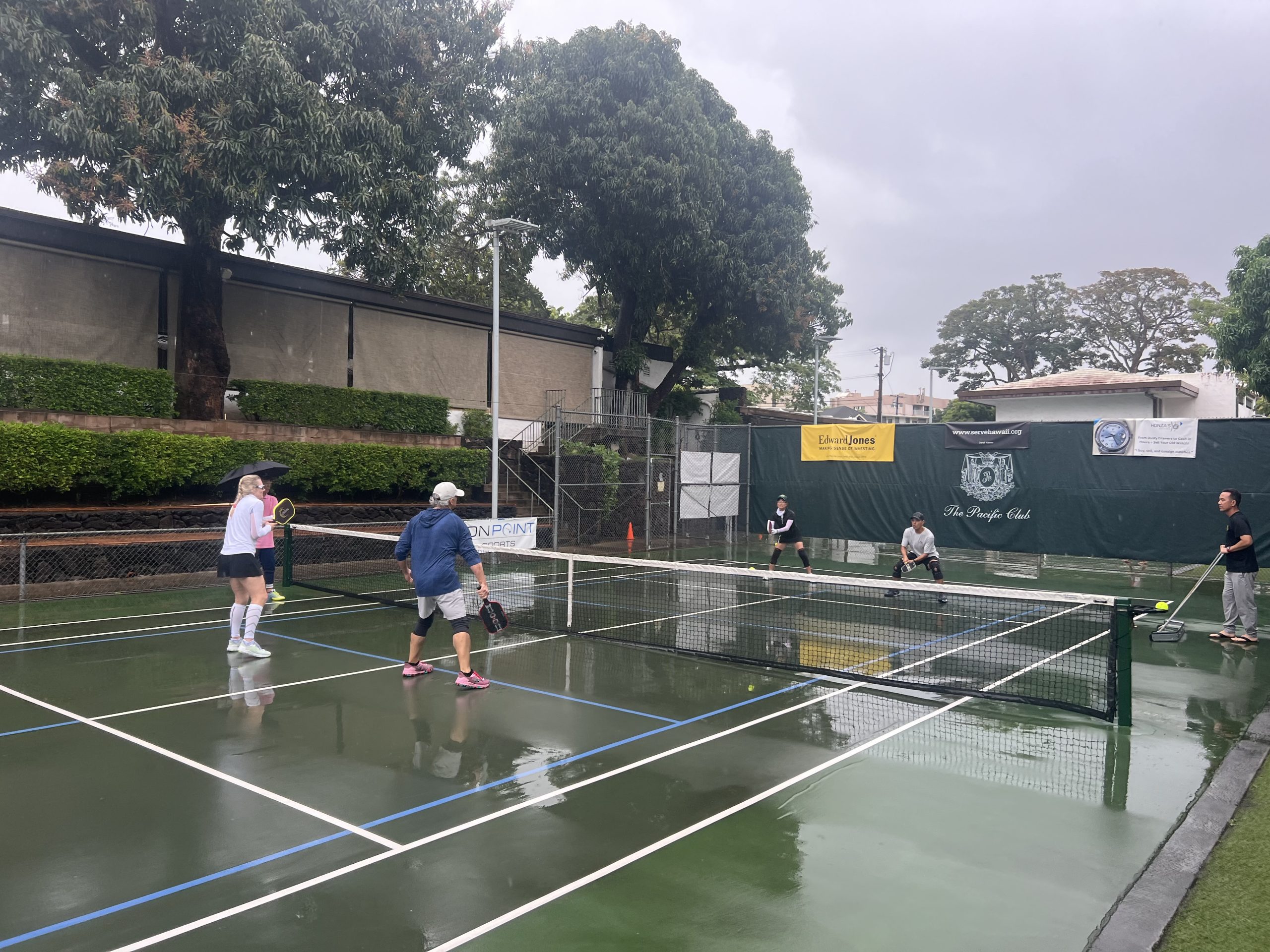
One hour on the court is a true hour of effort. A pickleball coach is feeding balls, correcting technique, managing drills, answering questions, and staying fully engaged.
How to Make Money in Pickleball: Profiting from the World’s Fastest-Growing Sport
If you teach 20–30 hours per week, that means 20–30 hours of high-energy output. Over time, that intensity adds up.
Your income will always be tied to your energy — unless you build leverage into your pickleball business model.
So ask yourself:
-
How many hours can you realistically teach each week?
-
Are you building your own brand or working under a facility?
-
Are you operating as a solo instructor — or building a coaching business?
Six figures require more than full days on court. It requires structure.
Step 1: Build a Strong Private Lesson Foundation
Private pickleball lessons are the foundation of most pickleball coaches’ income.
However, they are also the slowest revenue stream to build. New coaches rarely begin with fully booked weeks. It takes time to build trust, deliver results, and earn referrals.
Pricing plays a major role in how quickly you can reach six figures.
If you charge:
-
$60 per hour (You must teach far more hours than a coach charging)
-
$120 per hour
That difference compounds dramatically over 48 weeks.
Example of Private Lesson Revenue
- $100 per hour
- 20 lessons per week
That equals:
- $2,000 per week
- $8,000 per month
- $96,000 working 48 weeks per year
But this is gross revenue—not pickleball-coaching profit.
Expenses reduce your true take-home income.
Private lessons alone can approach six figures, but they create a physical ceiling. Your earnings are limited by how many hours you can teach.
If a lesson cancels, your income drops immediately.
For long-term success, private lessons should be the foundation — not the entire business model.
Step 2: Add Group Clinics to Increase Revenue Per Court Hour
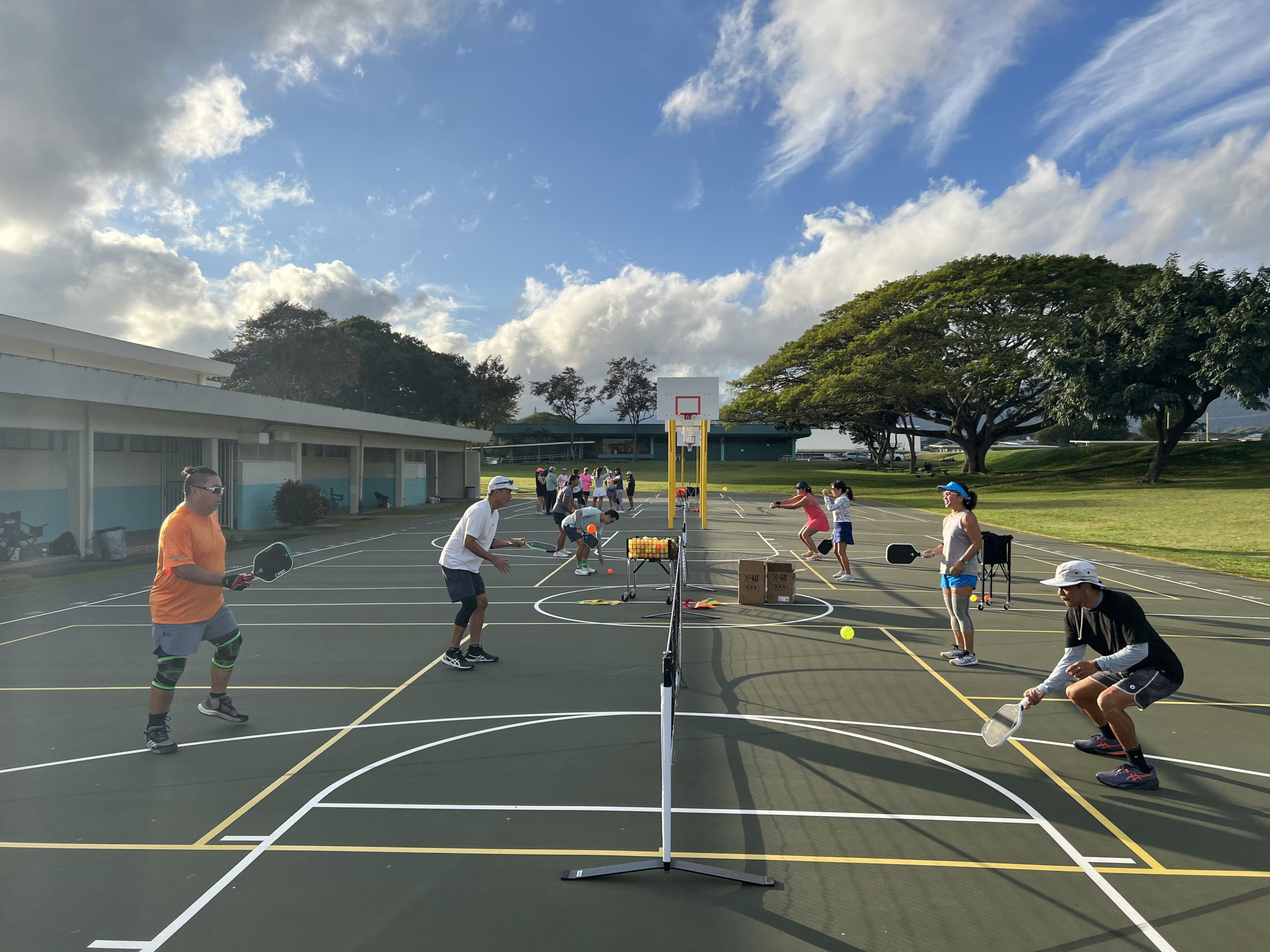
Group clinics are one of the fastest ways to increase revenue per court hour.
Instead of earning $100 from one player, you may earn $400–$600 from a structured clinic.
However, group coaching requires experience and organization. Teaching eight players simultaneously without structure leads to chaos.
Players expect:
- Individual feedback
- Clear drills
- Measurable improvement
- Professional organization
At Hawaii Pickleball Academy®, structured group training is designed to maximize repetitions, feedback, and efficiency — increasing both player results and coaching revenue.
Example of Group Clinic Revenue
- 8 players
- $60 per player
- 90-minute session
Total: $480 per clinic
Run 4 clinics per month, and you generate nearly $2,000 per month with one structured format.
Group clinics increase pickleball coaching profit without increasing your personal hours proportionally.
A structured 5-week training series also improves consistency, reduces cancellations, and generates recurring revenue.
Step 3: Secure Recurring Programs for Predictable Income
If you want a stable pickleball coach income, recurring programs are essential.
Teaching at facilities or operating under an organization like Hawaii Pickleball Academy® can provide:
- Pre-scheduled clinics
- Built-in marketing
- Consistent players
- Reduced administrative burden
Recurring income smooths seasonal fluctuations and provides financial stability — especially in markets like Hawaiʻi, where weather and travel can impact scheduling.
Predictable income reduces stress and supports long-term growth.
Step 4: Turn Your Coaching Job Into a Coaching Business
There is a difference between teaching pickleball and building a pickleball coaching business.
If you rely entirely on your own teaching hours, there is a ceiling.
Burnout becomes a risk. Injury stops income.
To scale beyond personal limits, consider:
- Hiring assistant coaches
- Revenue sharing models
- Commission splits
- Standardized training systems
- Structured programming
Instead of earning 100% from one lesson, you may earn 20–50% from multiple lessons run by trained coaches under your system.
This is how teaching pickleball becomes a scalable business model.
Owning a smaller percentage of a larger operation often produces higher long-term income.
Step 5: Know Your Numbers and Protect Your Margins
Many coaches focus on revenue. Professionals focus on profit.
To build a six-figure pickleball coaching business, you must track:
- Cost per court hour
- Margin per private lesson
- Net profit per clinic
- Software and processing fees
- Hawaiʻi GET tax
- Staff compensation
- Marketing expenses
Private Lesson Profit Example
You charge $100 per hour.
Court cost: $40
Revenue: $100
Court Cost: -$40
Remaining: $60
Subtract:
- Payment processing (3%) = -$3
- Hawaiʻi GET tax (4.712%) ≈ -$4.71
True net: ≈ $52.29 per hour
Although you charge $100, you keep just over $52 before income tax.
Margins determine sustainability.
If every dollar earned creates another dollar of cost, growth becomes fragile.
Understanding pickleball coaching profit is what separates busy coaches from profitable operators.
What a Realistic Six-Figure Pickleball Coaching Income Looks Like
Here is one example of how six figures teaching pickleball can be achieved:
- Private Lessons: $50,000–$70,000
- Group Clinics & Structured Series: $20,000–$30,000
- Recurring Programs: $10,000–$20,000
No single income stream carries the entire load.
Diversification creates stability.
Final Thoughts: Six-Figure Teaching Pickleball Is a System
If you are wondering how to make six figures teaching pickleball, understand this:
It is not about working more hours.
It is about building a smarter model.
Private lessons create a foundation.
Group clinics create leverage.
Recurring programs create stability.
Systems create scale.
Pickleball continues to grow — especially in Hawaiʻi. Coaches who approach it professionally, price strategically, and track margins carefully will grow with it.
Six figures is not a fantasy.
It is the result of building the right pickleball coaching business — and running it with discipline.
FAQ: Making Six Figures Teaching Pickleball
1. How much do pickleball coaches make per hour?
Rates typically range from $50 to $150+ per hour depending on experience, location, and demand.
2. Can you really make six figures teaching pickleball?
Yes, but it requires structured programming, premium positioning, and multiple revenue streams.
3. How many hours per week do you need to teach to earn six figures?
At $100 per hour, approximately 20–25 hours per week over 48–50 weeks could approach six figures — before expenses.
4. Do pickleball coaches need certification?
Certification can increase credibility, but reputation, results, and communication skills often matter more.
5. Is teaching pickleball physically demanding?
Yes. Coaching involves constant movement, feeding balls, and full engagement throughout the lesson.
6. What is the fastest way to increase pickleball coaching income?
Group clinics and structured programs allow coaches to increase revenue per court hour.
7. How long does it take to build a full pickleball coaching schedule?
For most new coaches, it can take 6–18 months to build a consistent client base. Referrals and reputation take time, especially in competitive markets.
8. Is it better to coach independently or work for a club?
Working for a club can provide immediate court access and built-in players, but independent coaches often keep a higher percentage of revenue. The right choice depends on your goals and risk tolerance.
9. What expenses should pickleball coaches expect?
Common expenses include court rental fees, insurance, equipment, marketing, scheduling software, and potential assistant coach pay. Understanding your true margins is critical.
10. Can pickleball coaching be a full-time career?
Yes, but full-time income usually requires multiple revenue streams such as private lessons, clinics, leagues, school programs, and events.
11. How do pickleball coaches raise their rates?
Coaches raise their rates by delivering strong results, strengthening their brand, gathering testimonials, offering structured programs, and positioning themselves as specialists rather than general instructors. As demand for their coaching increases, their pricing power increases as well. When demand goes up, rates can rise accordingly.
12. What separates high-earning pickleball coaches from average coaches?
High-earning coaches think like business owners. They track numbers, build systems, leverage group training, create recurring programs, and scale beyond their personal teaching hours.
13. Can I just run tournaments to make a six-figure income?
Yes, you can — but you need to learn how to run profitable pickleball tournaments.