
How to Make Money in Pickleball: Profiting from the World’s Fastest-Growing Sport
Pickleball has been one of the fastest-growing sports in the United States for several years in a row — and the momentum isn’t slowing down. But it’s not just America where the pickleball wave is hitting hard. From Asia to Europe, Canada to Australia, and even emerging scenes in countries like Vietnam and Japan, pickleball is becoming a global movement.
If you’re a passionate pickleball player — or an entrepreneur with a sharp eye for opportunity — you’ve probably noticed the business potential hidden in this sport’s rapid rise. You may be asking yourself:
What are the best ways to actually make money in pickleball?
The truth is, there are many avenues: from selling merchandise and equipment, to teaching lessons, opening a facility, running tournaments, or even creating media and digital content around the sport. In this blog, I’ll break down the most effective ways to profit from pickleball, what works (and what doesn’t), and what you need to consider before diving in.
And just so you know — I’m not sharing this from theory. I’ve personally tested multiple pickleball business models. Some worked extremely well. Others? Not so much. I’ll be candid about both, because what didn’t work for me might actually work for you depending on your background, network, and resources.
Let’s dive into the different ways you can profit from running a pickleball business.
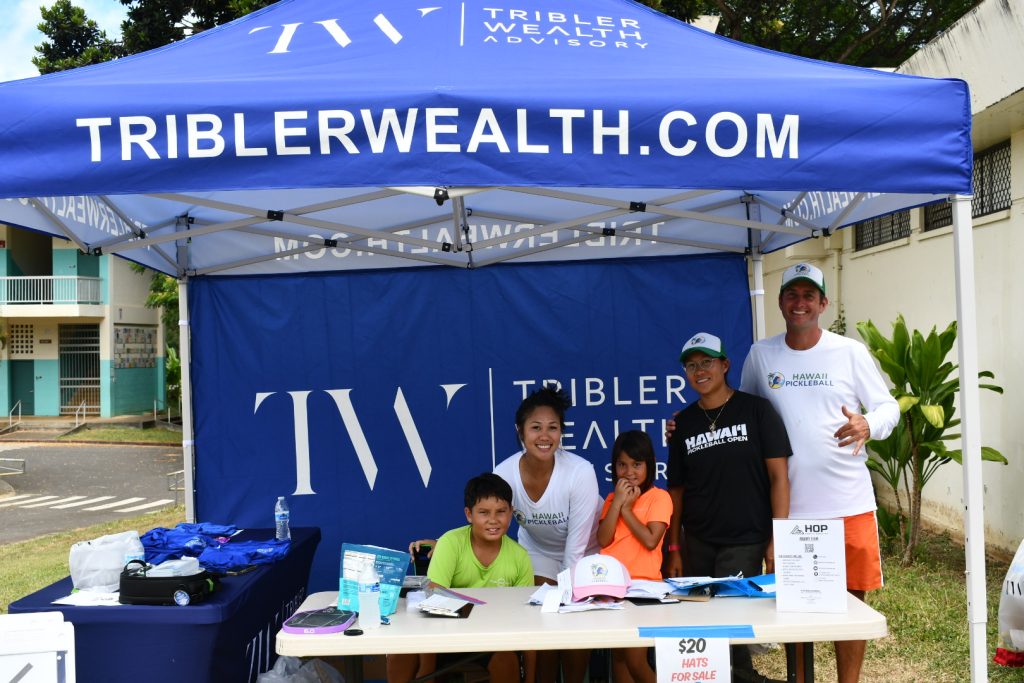
1. Teaching Pickleball Lessons and Clinics
One of the most direct ways to earn money in pickleball is by teaching. Demand for instruction is booming, especially as new players flood the courts every day. However, teaching isn’t for everyone. It’s physically demanding, and being a great player doesn’t automatically mean you’ll be a great coach.
Working with beginners requires patience, communication, and the ability to break skills down into simple steps — a very different skill set from coaching experienced players. And teaching group clinics or after-school programs is a completely different challenge compared to private one-on-one lessons. Each format requires unique preparation, structure, and energy.
How to Make Six Figures Teaching Pickleball | Pickleball Coaching Business Guide
Why it works
-
High demand: Beginners want to learn quickly and avoid frustration.
-
Low barrier to entry: If you’re an experienced player with good communication skills, you can start small.
-
Flexible income: Teach private lessons, group clinics, or corporate events.
How to scale
-
Offer beginner-friendly classes.
-
Partner with a private club or association to get your name know in the area
- Create recurring clinics (monthly or weekly) for steady cash flow.
Common Mistakes to Avoid as a Pickleball Coach
-
Relying only on one-on-one lessons. They pay well but don’t scale. Look for opportunities to add group clinics, junior programs, or corporate events.
-
Not building a personal brand. Players often want to learn from someone with a clear teaching identity. A recognizable brand builds trust.
-
No online presence. Create a simple website or join a respected association so players can easily find you and learn more about your experience.
What Are the Expenses to Teach Pickleball?
Your expenses will vary depending on where you teach and what resources you already have. For example, a private club may provide equipment, while teaching independently means you’ll need to invest in your own.
Here’s a sample breakdown of common startup costs:
-
Pickleballs (100): ~$200
-
Pickleball basket: ~$100
-
Cones and markers: ~$50
-
Portable pickleball net: ~$180
-
Liability insurance: ~$200 per year
-
Coaching certification: ~$300
- Renting Facility: The price per hour varies depending on the location
Total initial investment: about $1,000 (plus annual insurance and certification renewals).
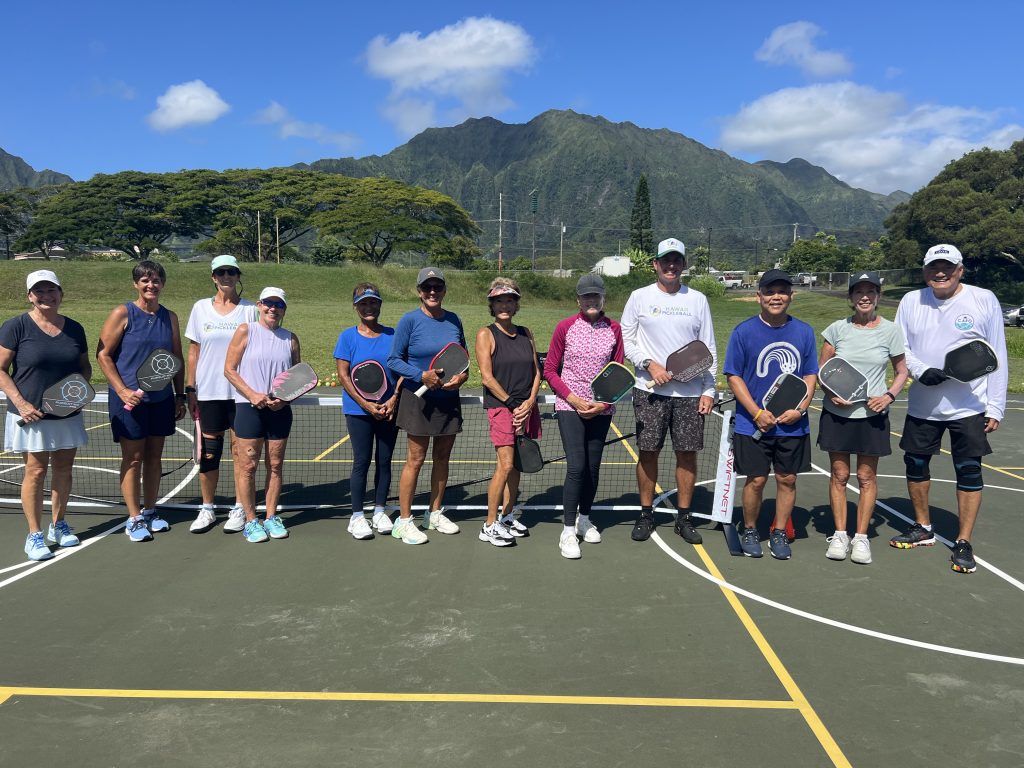
How Much Should You Charge?
This is one of the most common questions, and the answer is: it depends. Rates vary widely based on location, experience, and demand. Some coaches charge as little as $25/hour, while others make over $100/hour for private lessons.
A good rule of thumb is to start around $50/hour. As you gain more students, build credibility, and improve your coaching, you can gradually raise your rates to $60, $70, or beyond. If you’re consistently booked solid, that’s your signal to increase your rate. Your time and expertise have value — don’t be afraid to charge what you’re worth.
Pro Tip: It takes time to become “the coach” in your area. Focus on the basics: communicate clearly with clients, show up on time, and deliver real value. When students feel they’re getting more than they paid for, word-of-mouth will grow your reputation faster than any ad campaign.
Profit Splits with Clubs or Associations
There are three common ways coaches are paid when teaching through a club:
-
Fixed Rate – The club pays you a set hourly rate.
-
Typical range: $40–$60 per hour
-
-
Percentage Split – You and the club split the lesson fee.
-
Splits usually start at 50/50 and can go as high as 80/20 in favor of the coach
-
-
Revenue Share – A hybrid model where the coach gets a base rate plus a share of the revenue, often tied to the number of players.
Do I Need a Business Set Up to Teach?
The short answer: not necessarily. It depends on how you plan to operate:
-
Teaching through a club:
-
You often don’t need a formal business entity.
-
Many clubs will pay you as an independent contractor (1099) or an employee (W-2).
-
Insurance and liability may be covered by the club.
-
-
Teaching independently:
-
Setting up a business entity (LLC, sole proprietorship, etc.) is wise.
-
Benefits include separating personal and business finances, limiting liability, and appearing more professional to clients.
- You’ll likely need your own liability insurance, handle taxes, and cover your own court rental/equipment.
-
Complete Guide to Pickleball on O’ahu: Clubs, Associations, and Teaching Centers
Teaching Through a Club vs. Independently
Teaching through a club lowers your upfront costs but also reduces your take-home pay. Direct booking (independent lessons) allows you to keep more profit, but you’ll be responsible for all the logistics—courts, equipment, scheduling, and marketing.
If your goal is to have clients consistently coming to you, joining a club or association can be a smart move. In most cases, clubs handle the marketing, provide the facility, and bring in the students.

2. Running Tournaments
Pickleball players love competition. Tournaments bring communities together — and can generate strong revenue if managed well. The rule of thumb is that you want at least 15-30% of revenue to run those events. When we run Hawaii Pickleball Open, we want to make sure that our revenue is at least 25% after the expenses.
How to Run a Profitable Pickleball Tournament: Step-by-Step Guide for Organizers
Revenue streams
-
Player registration fees.
-
Sponsorships (local businesses, gear companies, or even big brands).
-
Concessions and merchandise sales.
What to consider
-
You’ll need access to multiple courts and good scheduling systems.
- How the players will sign up for the tournament
-
Volunteers or staff are essential for smooth operations.
-
Insurance, permits, and liability coverage must be factored in.
How to Run a Profitable Pickleball Tournament: Step-by-Step Guide for Organizers
How Much Should You Charge for an Entry Fee?
Setting the right entry fee depends on several factors, but ultimately it comes down to one key question: what is the actual cost per participant? You also need to consider what you want to include for each player—such as shirts, food, drinks, and other extras.
Let’s break down the math so you can understand how to calculate it.
Pickleball Tournament Cost Breakdown (Based on 100 Players)
We calculate the cost per player by dividing each total expense by the number of players. This shows how much each item contributes to the overall cost.
Entry & Fees
-
Entry Fee: $100.00 (100%)
-
Sales Tax in Hawaii (4.712%): -$4.71 (-4.7%)
-
Credit Card Fees (3.2%): -$3.20 (-3.2%)
-
Net Collected per Player: $92.09 (92.1%)
Expenses (per player):
-
Food: $12.00 (12.0%)
-
Shirt: $20.00 (20.0%)
-
Court Rental ($3,000 ÷ 100): $30.00 (30.0%)
-
Medals ($312 ÷ 100): $3.12 (3.1%)
-
Balls ($192 ÷ 100): $1.92 (1.9%)
-
Banners ($300 ÷ 100): $3.00 (3.0%)
-
Water/Ice ($300 ÷ 100): $3.00 (3.0%)
Total Expense per Player: $73.04 (73.0%)
Profit
-
Gross Profit per Player: $19.05 (19.1%)
-
Gross Profit for 100 Players: $1,905
Labor Calculation (If Two People Work 48 Hours Each)
-
Total Work Hours = 2 × 48 = 96 hours
-
Total Profit = $1,905
-
Profit per Hour of Work = $1,905 ÷ 96 = $19.84 per hour
In my experience running events in Hawaii, the most successful tournaments are the ones that blend great competition with a strong community feel. Players are willing to pay to compete, but they’ll only return if the event is also fun, well-organized, and welcoming.
Pro Tip: Make your tournament profitable from entry fees alone—don’t rely on sponsor money to cover your costs. If you build your budget around sponsorships and they don’t come through, you risk running at a loss. Instead, cover expenses with player entries so any sponsorship you receive is a bonus.
The more reputable and well-run your tournament becomes, the easier it will be to attract sponsors down the road. Start small, focus on quality, and grow from there.
What Format Should You Choose for Your Pickleball Tournament?
The most common format is one game to 11 or 15, win by two. Organizers often prefer this because it allows more players to participate, which can increase overall profit.
However, from experience, players generally prefer the best 2 out of 3 games, win by two, with a guarantee of at least three matches. This format gives players more court time and a chance to recover if they lose the first game. After all, how many times have you seen a team drop the first game but come back to win the next two?
While a single game to 11 moves the schedule faster, it doesn’t always determine the stronger team. In the end, it’s up to you as the tournament director to decide which format best balances profitability, scheduling, and player experience.
Did you know that some people are hired specifically to run pickleball tournaments from start to finish, because organizing a well-executed event is not as simple as it looks. From creating schedules to managing player communication, and handling operations on the day of the event, every step requires serious planning and coordination.
We know this first-hand through our experience running HawaiiPickleballOpen.com, where attention to detail and careful preparation make the difference between a chaotic event and a seamless player experience.
In the end, running a pickleball tournament can absolutely be profitable—but it can also be stressful if you’re not prepared for the different scenarios that may come up during the event. Like anything in life, it takes time to get better, and experience is priceless. No manual alone will make your tournament a success—real success comes from being on the court, handling challenges as they arise, and learning from each event you run.

3. Pickleball Facilities and Court Rentals
With public courts overcrowded, private pickleball facilities are one of the hottest growth opportunities in the industry. The biggest challenge, however, is the high cost of getting a facility up and running.
Even if demand exists, you still have to ask: Is it worth the investment? Will players be willing to pay the fees needed to keep the facility sustainable? Depending on the location, the fixed costs of running a private facility can be nearly prohibitive if the space isn’t maximized to its full potential.
Why it works
-
Membership models generate recurring revenue.
-
You can host lessons, leagues, tournaments, and even social mixers.
-
Amenities like pro shops and restaurants increase spend per customer.
Challenges
-
High startup costs (land, construction, permits).
-
Competition from public facilities.
-
Requires strong management skills to maintain operations.
With public courts overcrowded, private pickleball facilities are one of the hottest growth opportunities in the industry. The biggest challenge, however, is the high cost of getting a facility up and running.
Even if demand exists, you still have to ask: Is it worth the investment? Will players be willing to pay the fees needed to keep the facility sustainable? Depending on the location, the fixed costs of running a private facility can be nearly prohibitive if the space isn’t maximized to its full potential.
How many members can a 6-court club support?
Short answer: It depends on how you allocate courts.
If you plan to run tournaments, host corporate rentals, and teach lessons, you’ll want at least 6 courts. A practical split is:
-
4 courts dedicated to members
-
2 courts reserved for lessons/clinics/corporate/open play programming
Member Capacity (4 courts only):
-
Daily hours: 6 AM – 9 PM = 15 hours/day
-
Weekly hours per court: 15 × 7 = 105 hours
-
4 courts × 105 = 420 total member court-hours/week
If each member averages 2 hours/week:
-
Max capacity: 420 ÷ 2 = 210 members
-
Realistic utilization (can’t fill every slot):
-
80%: 210 × 0.8 = 168 members
-
70%: 210 × 0.7 = 147 members
-
Answer: With 4 member courts, a 6-court facility could support about 147–210 members, depending on scheduling efficiency.
Note: This calculation only covers the 4 member courts. It does not include the 2 program courts, tournament block-outs, or any special events.
How Many Members Can Your Pickleball Club Support?
Based on 4 member-dedicated courts (420 court-hours per week) and average weekly use per member:
-
2 hrs/week per member → 147–210 members
-
3 hrs/week per member → 98–140 members
-
4 hrs/week per member → 74–105 members
-
5 hrs/week per member → 59–84 members
-
6 hrs/week per member → 49–70 members
What about the 2 program courts (lessons, clinics, corporate, open play)?
These two courts are your revenue engines outside of memberships. Here are two simple models:
Model A — Court-rental to coaches/partners
-
Example: Rent at $25/hour
-
If each program court runs 25 paid hours/week:
-
2 courts × 25 hrs × $25 = $1,250/week in rental revenue
-
Model B — Facility-run group lessons
-
Example: 6 players × $30 = $180/hour revenue
-
Pay coach $60/hour → $120/hour margin to facility
-
At 25 hours/week per court:
-
2 courts × 25 hrs × $120 = $6,000/week margin (plus any add-ons like balls/shirts)
- You can mix models (some rental hours, some facility-run programs) to smooth demand and staffing.
-
Tournaments & special events
If you run special events, your revenue will increase — but you need to be careful to keep your members in the loop. Communication is key. Make sure your members know when events are happening, how it will affect court access, and what benefits they receive during those times.
Remember: your current members are the foundation of your business. If they feel overlooked or inconvenienced, retention will drop. Always take care of your members first, and use special events as an added layer of value, not a disruption.
Takeaways
-
Members: Plan on ~74–105 members for 4 member-dedicated courts at 4 hrs/member/week, even thought it can be much higher, however when you find out that current members are unable to reserve a court because they are always booked you will need to adjust the membership.
-
Programs: Use the 2 extra courts to generate steady cash flow via court rental and/or facility-run clinics/corporate events.
-
Events: Account for tournament block-outs by reducing available member hours during event weeks, then recalc capacity.
Additional Revenue Sources
Beyond memberships and court rentals, there are several ways to increase revenue and improve the profitability of a pickleball facility:
-
Food & Beverages: Offering snacks, drinks, or even a small café not only raises profit margins but also encourages players and guests to spend more time at the facility.
-
Partnerships: Teaming up with other businesses — such as fitness centers, local brands, or wellness providers — can help share facility costs and reduce fixed expenses.
What Are Members Looking For?
Members want a convenient, welcoming place to play, train, and socialize. If parking is difficult, court reservations are frustrating, or there are too many hurdles to bring friends and guests, members may start looking elsewhere.
Your top priority should always be member satisfaction before profit. A facility that focuses only on revenue but neglects the player experience won’t last long. On the other hand, if running the facility in your area results in negative profit due to high expenses, it may not be the best business model to pursue.
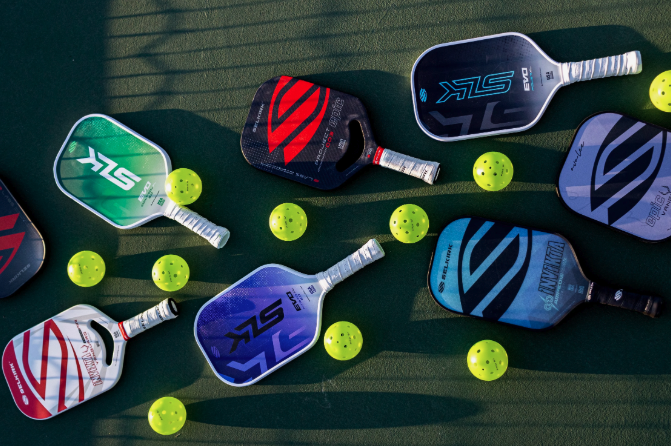
Credit: Selkirk Sports
4. Selling Pickleball Equipment and Apparel
Pickleball players are gear junkies — from paddles to shoes to performance shirts, they’re constantly upgrading and experimenting. On the surface, selling pickleball equipment and apparel may look like an easy way to generate revenue, but the reality is more complex.
The startup costs can be significant, and navigating the right sales channels (online stores, pro shops, or vendor booths at events) takes planning and experience. In today’s competitive market, selling anything successfully requires time, marketing, and a loyal customer base. Without people who already know you and trust your brand, getting started can be a challenge.
Yes, there’s opportunity in this space — but the journey is long, the competition is strong, and success requires more than just having product on the shelf.
How to profit
-
Start an online shop (paddles, balls, nets, apparel).
-
Create branded merchandise for your local pickleball community.
-
Partner with established brands as an affiliate or distributor.
Test Before You Invest
Before jumping into selling pickleball gear or apparel, you first need to decide what to sell. Did you design a paddle or create a product you truly believe players will love? Or is it apparel that excites your audience?
Instead of investing heavily upfront, start with an MVP (Minimum Viable Product) — the simplest version of your idea that can be launched quickly to gather feedback and validate demand with minimal cost.
When creating your MVP, make sure your product is original and marketable. In today’s digital world, countless companies launch products under different names, and you need to stand out from the competition.
Example: Choosing the Hawaii Pickleball Academy™ Name
When we created Hawaii Pickleball Academy™, we did thorough research first:
-
Hawaii Business Search: Confirmed no one had registered the name.
-
Domain Availability: Secured HawaiiPickleballAcademy.com
-
USPTO (Federal Trademark Search): Checked that the name was not already trademarked.
Doing this research upfront is critical. If you pour time and effort into building a product or brand only to discover later that someone else owns the trademark, you may be forced to rebrand — a costly and stressful process.
Pro Tip: Put in the research early. Secure your name, your domain, and confirm your right to use them before going all in.
How to Test Without Spending Much Money
-
Create a simple one-page website showcasing your product.
-
Run ads or share the page to attract real potential customers.
-
If people are willing to actually pay for the product, you know you’re on the right path.
-
Once they order, follow up with an email thanking them for their interest and let them know the product will be available soon.
-
If no one buys, that’s valuable feedback: either the product idea isn’t strong enough, or your marketing needs work.
Marketing: The Lifeline of Any Business
Getting your product into customers’ hands is one of the hardest parts of running a business. Even if your product is the best on the market, people can’t buy it if they don’t know it exists.
That’s why marketing is the lifeline of any new business. In the beginning, you’ll need to spread the word through every channel available — whether it’s friends sharing your product, building a social media presence, or running paid ads. Over time, as people see the value you provide, referrals and word-of-mouth will start to take over.
White Label vs. Custom Manufacturing
Selling equipment or apparel is one of the hardest businesses to break into because of the high upfront costs. One way to lower those costs in the beginning is by using white label products.
With white labeling, another company produces the product and you simply add your logo and branding. To the customer, it looks like it’s your own product. This strategy allows you to test the market and start building your brand without the heavy costs of manufacturing.
As your sales grow and you start receiving consistent monthly orders, you can gradually transition into creating your own custom products. This shift will increase your profit margins but also comes with higher upfront investment and more responsibility.
Something to consider: White labeling is a smart entry point, but true long-term profitability comes from eventually controlling your own manufacturing.
Final Thoughts on Selling Pickleball Gear & Apparel
Overall, selling pickleball equipment or apparel can be very lucrative if you identify a clear need and strong demand for your specific product. Keep in mind, though, that many others are trying to do the same. The key is to create a product that players are actively seeking — whether it’s a unique paddle design, performance-focused apparel, or even something as simple as reliable pickleballs.
Success comes from solving a problem or filling a gap in the market, not just adding another product to the shelf.





5. Sponsorships and Partnerships
Another major revenue driver is brand partnerships. Local businesses love connecting with pickleball audiences — especially those in health, wellness, and lifestyle industries. But the opportunity also extends to larger companies such as mortgage firms, hotels, and other service providers.
By partnering with the right companies, you not only elevate your brand but also drive real value back to your partners by introducing them to a growing, engaged community. The key to lasting partnerships is creating mutual value. No company will commit to a monthly sponsorship fee unless they see a clear return on investment.
Ideas for sponsorships
-
Paddle and ball companies.
-
Local gyms, chiropractors, or physical therapists.
-
Travel companies, hotels and airlines
-
Beverage brands (coconut water, sports drinks, etc.).
At Hawaii Pickleball, we build partnerships with companies we genuinely believe in. It’s not just about collecting sponsorship dollars — it’s about aligning with brands that share our values and our vision for the community. For example, in our after-school programs, we partnered with Selkirk, JOOLA, and Paddletek. Each company generously donated paddles so we could provide equipment to students across multiple schools.
If you’re seeking financial sponsorships, the key is giving your partners a way to directly connect with your customer base. That’s how they see a return on their investment.
What We Offer Sponsors
Here’s exactly what our partners receive:
-
Monthly Newsletter Mentions
Reach 1,000+ subscribers (90% from Hawaii) with an impressive 70% open rate. -
Event Promotion
Exposure at 12+ clinics and the Hawaii Pickleball Open each year. -
Website Placement
Featured on both HawaiiPickleball.com and HawaiiPickleballOpen.com. -
Community Recognition
Visibility and acknowledgement at our after-school programs and community events.
At Hawaii Pickleball, we include all of the above in our sponsorship package. We work on annual contracts (around $333 per month), giving our partners consistent visibility to a fast-growing base of 1,000+ engaged pickleball players each month — with numbers increasing every single month.
The key is understanding that every business has choices — they can invest in your company, or in someone else’s. Whether you’re offering private lessons, selling paddles, or running a pickleball facility, your sponsors and partners need to see a return on their investment. If they feel the partnership helps their business grow, they’ll not only support you this year but also renew for years to come.
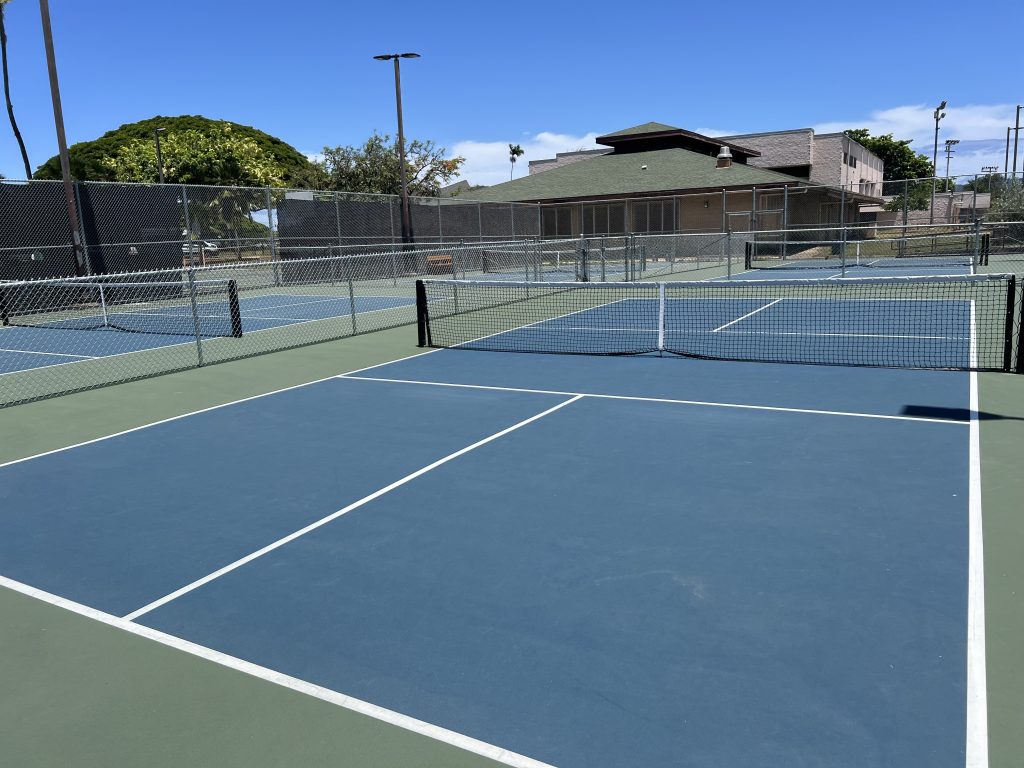
6. Pickleball Travel and Experiences
You’ve probably heard of different pickleball experiences — but there’s a huge opportunity in combining pickleball with travel. Many players not only love the game, but also enjoy exploring new destinations. Imagine offering experiences in places people already love to visit, such as Japan, Hawaii, or the Czech Republic. By blending travel with pickleball, you create unforgettable memories while tapping into two passions at once.
Business ideas
-
Host pickleball retreats in destinations people want to travel to
-
Organize “Pickleball + Cruise” packages.
This combines lifestyle, sport, and community — and can generate high-margin experiences if done right.
There are several ways to approach the pickleball travel business. The first step is identifying top coaches in the destination you want to bring people to. This not only ensures a quality playing experience but can also reduce costs, since you won’t need to cover full hospitality expenses for a traveling coach.
Equally important is having a reliable tour guide who knows the area. A successful pickleball tour has two key components:
-
High-quality pickleball instruction.
-
Memorable travel experiences.
In some cases, these are provided by the same person — for example, Daniel Moore in Japan, who is both a highly knowledgeable pickleball coach and a tour guide in his home country.
Pickleball Travel Experience – Cost Breakdown (per person)
Tour Package (6 Nights) – $3,500 per person
-
Flights – Approx. $800 (from West Coast USA or Japan)
-
Hotel Accommodations – $200 per person, per night × 6 nights = $1,200
-
Transportation & Tours – Approx. $1,000 (airport transfers + guided excursions)
-
Pickleball Clinics – Approx. $500 (4 lessons, open play, and match play)
Total Value: $3,500
When you’re looking to organize a pickleball package or retreat, the key is designing an itinerary that people actually want. Travelers aren’t just looking for court time — they’re seeking a balance of great pickleball, relaxation, and unique local experiences.
For example, here in Hawaii we’re in the process of implementing Hawaii Pickleball Experience trips for visitors who want to explore the islands while enjoying top-notch pickleball. The idea is to blend lessons and play with cultural activities, sightseeing, and plenty of downtime to soak in the beauty of Hawaii.
Running Tours While Teaching Lessons
Running tours while also giving lessons can be challenging, but it becomes much easier if you have experience in teaching and the right partnerships in place. The key is to focus on what you do best — the pickleball instruction — while working with a trusted partner who handles the travel and tour logistics.
This way, your team can concentrate on delivering high-quality lessons, clinics, and organized play, while your partner manages accommodations, transportation, and sightseeing experiences. When done right, the combination creates a seamless package that keeps players happy both on and off the court.
Finding the Right Price Point in Partnerships
When forming partnerships, it’s critical to get the price point just right. If your tour package is too expensive, you may limit your audience. If it’s too cheap, you may not be able to deliver the quality experience your guests expect.
The goal is to ensure that the overall pickleball experience — both the tourism side and the lessons with your team — feels like it provides exceptional value. Travelers should walk away feeling that they received above and beyond what they paid for.
If either side falls short — whether the sightseeing feels underwhelming or the pickleball instruction isn’t up to par — guests are less likely to recommend you to friends. Word-of-mouth referrals are one of the most powerful drivers of growth in this business, so creating an unforgettable, well-balanced experience is essential to long-term success.
Teaching Pickleball on Cruise Ships
Another exciting idea is to teach pickleball on cruise ships. Many travelers are looking for new activities while at sea, and pickleball lessons fit perfectly into that lifestyle. People are already in a vacation mindset, eager to try something new, and having access to an instructor on board adds value to their trip.
The challenge, however, is finding the right cruise line. Not every ship is designed with pickleball in mind, and some only have one small court. With demand so high, one court can quickly become overcrowded. Ideally, you want to partner with cruise ships that have multiple courts or are planning to expand their sports deck offerings.
If you can secure that opportunity, the potential is big. Not only can you run lessons and clinics for guests, but you can also create organized play sessions, mini-tournaments, and even themed “pickleball cruises” where the sport is the main attraction.
The Opportunity in Pickleball Tours and Cruises
Pickleball tours — whether on land or at sea — offer a huge opportunity if they’re done right. The real measure of success isn’t just running one or two good events. You’ll know you’ve built something special when your tours consistently sell out and you have a growing waiting list of players eager to join the next one.
That kind of demand only comes when every detail — from the pickleball instruction to the travel experience — is handled with care and quality. Do it right, and you’re not just offering a trip, you’re creating a reputation that keeps expanding year after year.

7. Digital Content & Online Courses
The Online Side of Pickleball
Not every pickleball business has to take place on the court. The digital side of the game is booming, and more and more entrepreneurs are building successful brands online. From lesson videos to step-by-step guides, there’s a massive appetite for content that helps players improve their skills and stay connected to the sport.
This can take many forms:
-
Instructional videos on platforms like YouTube or Instagram.
-
Step-by-step online courses players can purchase and follow at their own pace.
-
Blogs and newsletters that break down strategies, gear reviews, and community news.
-
Podcasts featuring interviews with pros, coaches, and other industry experts.
The beauty of online content is that it can reach a global audience at very low cost. And once created, it can continue generating income for you long after the initial effort.
Pro Tip: Keep in mind, success won’t happen overnight. In fact, it almost always takes longer than you expect. Building a profitable pickleball business requires patience, consistency, and the willingness to keep improving along the way.
How to Start a Pickleball YouTube Channel
Starting a YouTube channel around pickleball can be one of the most rewarding ways to share your passion and build an audience. But like any venture, it takes work and consistency.
At first, you’ll need to get familiar with recording and editing videos. The good news is that it’s easier than ever to get started — most smartphones today have cameras that are more than capable of producing quality content. With just your phone and a tripod, you can record solid videos to begin building your channel.
If you want your videos to look more polished, you may want to learn professional editing software such as Adobe Premiere Pro or Final Cut Pro (for Mac). While there’s a learning curve, these skills will benefit you not only for YouTube, but also for future pickleball content like online courses, marketing, or social media promotions.
When you create tutorial or match-play videos, it’s worth investing in:
-
A tripod or camera stand (so your footage is stea
-
dy)
-
A microphone (good audio often matters more than video quality)
-
Basic editing software (even free tools like iMovie or DaVinci Resolve can work when starting out)
Remember: growing a YouTube channel takes time. Be prepared to post dozens — even hundreds — of videos before you gain real traction. The key is consistency, quality, and providing genuine value to your viewers.
Writing Blog Posts and Newsletters
Writing a blog post or newsletter is one of the best ways to grow a pickleball audience. People love reading about the game — whether it’s tips to improve their skills, updates on pro players, or news about what’s happening in the local community.
But here’s the key: a good blog post takes time. Readers can immediately tell if you’re an expert sharing real experience or if you’re just re-writing someone else’s content. Unfortunately, many people simply recycle blogs without adding their own perspective. The difference is obvious. When you read something from a true expert, you can feel their experience and insight in the writing. That’s what builds trust.
The great thing about blog posts is that they can be repurposed into newsletters. A newsletter allows you to deliver content directly to people’s inboxes — creating a loyal community that keeps coming back. Even better, newsletters give you measurable metrics (like open rates and click-throughs) that can be used to attract sponsors and show the reach of your platform.
Pro Tip: Don’t just write — tell stories. Share your on-court experiences, local highlights, and lessons learned. That personal touch is what makes your content stand out and keeps readers engaged.
Where to publish my blog posts
Best Platforms to Publish Your Blog Posts
1. Your Own Website (Best for Long-Term SEO & Branding)
- Example: HawaiiPickleball.com/blog
- Benefits: Full control, builds your brand authority, improves Google rankings
- Tools: WordPress, Squarespace, Wix, or Shopify (if you also sell products)
2. Medium
- Why Use It: Popular blogging platform with a built-in audience
- Pros: Easy to use, clean design, great for long-form articles
- Cons: Less control; most of the traffic benefits Medium, not your site
3. LinkedIn Articles
- Why Use It: Perfect for reaching professionals, sponsors, and business partners
- Best For: Business-related topics like “pickleball business opportunities” or “community building”
- Extra Benefit: Builds authority with people who may also be potential sponsors or partners
Starting a Pickleball Podcast
If you don’t enjoy writing or recording videos, but you love talking about what’s happening in the pickleball world, then starting a podcast might be the perfect fit for you. Podcasts are a great way to share your perspective, interview players, and connect with fans who prefer listening over reading or watching.
The good news is that the startup cost is very low. All you really need is:
-
A microphone (USB mics like Blue Yeti or Audio-Technica are great starters)
-
A camera (optional — only if you want video podcasts)
-
A quiet space to record
Editing is optional. You can simply record your message and upload it directly without heavy post-production. While editing adds polish, many listeners value consistency and authenticity over perfection.
Where to Publish Your Podcast
There are several easy-to-use platforms where you can upload your episodes and distribute them automatically:
-
YouTube (video or audio-only uploads)
-
Spotify
-
Apple Podcasts
-
Google Podcasts
-
Buzzsprout, Podbean, or Anchor.fm (free or low-cost hosting that pushes your podcast to multiple platforms)
Pro Tip: Consistency matters more than production value. Focus on posting weekly or bi-weekly episodes, and your audience will grow over time.
Building Your Pickleball Business in the Digital Era
The business of pickleball doesn’t stop at the edge of the court. Whether you’re creating YouTube tutorials, writing blog posts, publishing newsletters, or starting your own podcast, the digital side of the game offers endless opportunities. What makes it so powerful is that online content allows you to reach players everywhere — from Honolulu to Houston, Tokyo to Toronto.
The key is consistency, authenticity, and patience. You won’t become an overnight success, but if you stick with it, people will notice your unique voice and perspective. Over time, your audience will grow, your influence will expand, and your business will become stronger.
Just like rallies in pickleball, building an online presence is about keeping the ball in play — one steady shot after another. Keep sharing your knowledge, connecting with your community, and adding value. Do that long enough, and you’ll not only create a profitable pickleball business, you’ll also make a lasting impact on the sport itself.
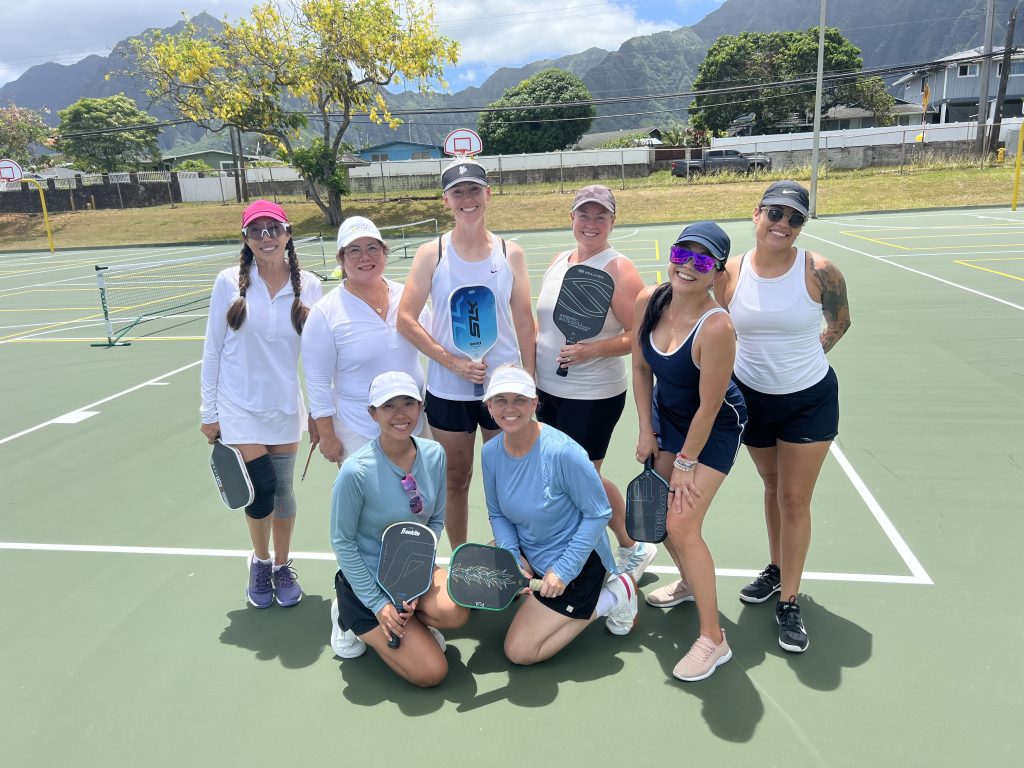
8. Beyond Coaching: Becoming a Pickleball Leader
As pickleball grows, there’s a need not just for players, but for leaders. Experienced coaches can expand their income — and their influence — by taking on roles that go beyond teaching on the court.
Some opportunities include:
-
Certifying new instructors and mentoring the next generation of coaches.
-
Consulting with schools, clubs, or city recreation departments to design programs and integrate pickleball into their offerings.
-
Helping entrepreneurs and organizations launch pickleball businesses, from starting a club to planning tournaments.
Gaining this level of expertise takes time, but here’s the good news: many people are willing to pay to save time and avoid mistakes. If you can position yourself as the trusted expert in your community, you become the person others turn to for guidance — whether they’re aspiring coaches, schools looking to build programs, or organizations trying to tap into the pickleball boom.
In other words, you’re not just teaching skills — you’re shaping the future of the sport.
Final Thoughts: Building a Sustainable Pickleball Business
It doesn’t matter which pickleball journey you choose — teaching, running tournaments, creating content, or organizing tours — the same principles apply when it comes to growth:
-
Provide real value that people are willing to pay for.
-
Make yourself easy to find through websites, social media, and community presence.
-
Build credibility with testimonials and success stories from clients.
-
Lay a strong foundation so your business could one day be sold or scaled.
-
Treat partners and co-owners the way you want to be treated — with respect, fairness, and transparency. Strong relationships are the backbone of any lasting venture.
If your company is built entirely around your personal name and requires you to be present at every step, then what you really have is a job — not a business. A true business can operate and grow without you constantly running it.
The long-term goal is to outsource yourself. If you can step back and the business still runs smoothly, you’ve built something sustainable, scalable, and more attractive to future buyers or partners. If it only works when you’re physically there, it limits both your freedom and your growth.
Focus on creating systems, teams, and partnerships that allow the business to thrive independently — and you’ll be on the right path to building not just a paycheck, but a lasting legacy in pickleball.