
How to Gain Time (and Stop Losing It) in Pickleball
Pickleball is more than just hitting the ball over the net — it’s about controlling the flow of the game. Every rally is really a battle over time. Do you buy yourself a moment to reset and breathe, or do you put yourself under pressure by rushing? Do you speed the game up at the right moment to catch your opponent off guard, or do you hand them the advantage by swinging too soon?
At every level of play, from beginners in Honolulu learning the basics to seasoned players competing at the highest level, the hidden secret to pickleball success comes down to this: managing time on the court. Learning how to gain time for yourself — or take it away from your opponent — can have a powerful impact on your overall game.
In this guide, we’ll break down what it means to gain or lose time in pickleball, how to practice it, and how mastering this single concept can transform the way you play, especially during those crucial moments that decide a match.
What Does It Mean to Gain or Lose Time?
Let’s start with a simple definition:
-
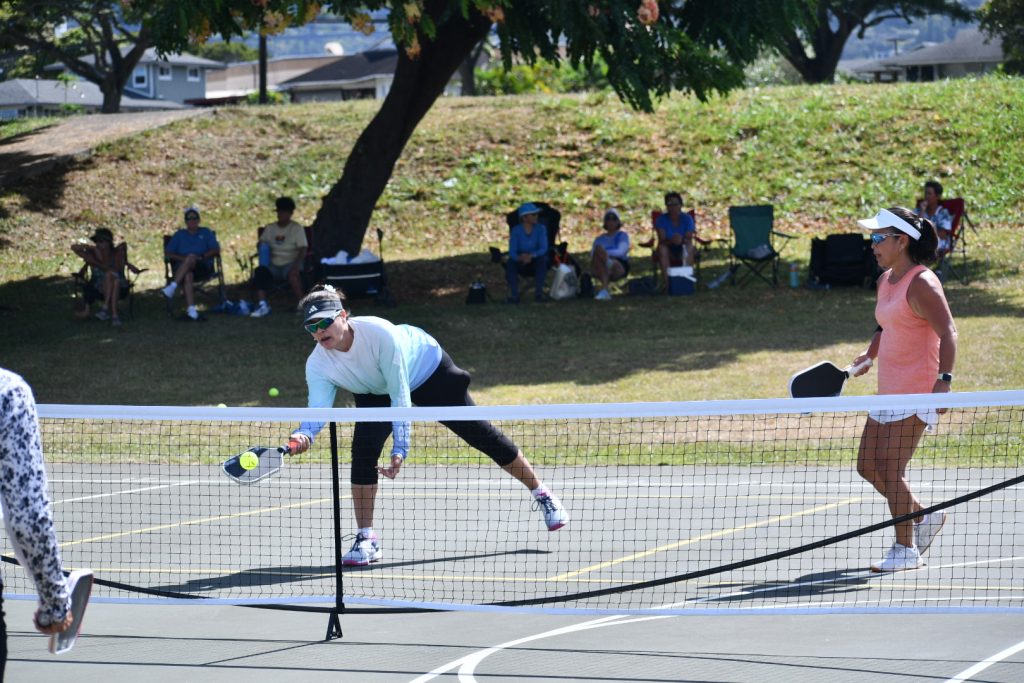
Gaining time means hitting a shot that gives you a chance to recover, reset, or plan your next move. You slow the game down and take control of the rhythm.
-
For example, imagine you’re stuck in a tough kitchen battle and your opponent manages to push you a step or two behind the non-volley zone line. To gain time, you can hit a soft kitchen drop into the middle of the court — or even better, angle it crosscourt. The extra distance forces the ball to travel farther, giving you a few more moments to reset your position and get back into the rally.
-
-
Losing time means hitting a shot that forces you to scramble, rush, or react with no margin for error. You give your opponent control of the rally.
- For example, let’s say you decide to speed up the ball at the opponent directly in front of you. If they’re ready with a counterpunch, the ball will come back even faster. Suddenly, you’re the one jammed and scrambling — all because you lost time by choosing the wrong moment to attack.
“The best players know when to slow down and when to hit the gas.”
Think about it like driving in traffic. If you leave yourself space, you have time to adjust, change lanes, or slow down safely. But if you tailgate the car in front of you, you’ll be forced to slam on the brakes the moment they stop. Pickleball works the same way — when you crowd the point or rush a shot, you lose the margin you need to stay in control.
As you gain experience, though, you’ll start to read the road. You’ll predict your opponent’s shot before it happens, which buys you time to prepare for the counterattack. With practice, you’ll know when to pivot, when to reset, and when to accelerate — keeping yourself in the driver’s seat of the rally.
Just like a professional driver can go faster while staying fully in control, an experienced pickleball player can handle a quicker pace without losing balance or confidence. The key is learning when to slow down and when to step on the gas.
Some shots naturally buy you time. Others take it away. And the best players know how to use both strategies at the right moments.
How to Gain Time in Pickleball
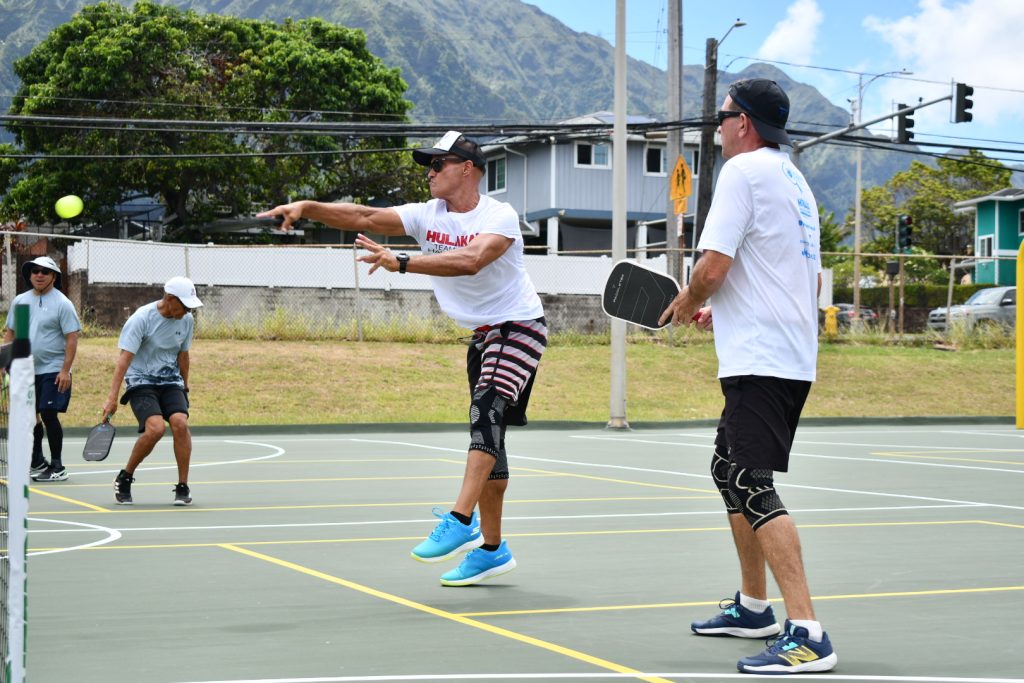
Here are some of the key ways you can gain time in pickleball — helping you feel more in control of the point, or at least giving you the confidence to think that way.
1. Deep Serves and Returns
The deeper you hit your serve or return, the more time you gain. A deep return pushes your opponents back to the baseline, giving you extra seconds to move up to the non-volley zone line. On the other hand, a short return invites them to rush forward and attack.
In most cases, a crosscourt return gives you the most time because the ball travels farther. However, if the weaker opponent is directly in front of you, it may be smarter to hit down the line. Targeting the right player is sometimes more important than gaining the extra time from a crosscourt shot.
2. The Soft Game (Dinks and Resets)
A soft dink or reset slows down the rally, takes away your opponent’s power, and forces them into a patient exchange. Instead of trying to win the point immediately, you buy time to set up a smarter attack.
One of the best ways to gain time in the soft game is by taking balls out of the air and volleying them. The goal isn’t to speed the ball up, but to gently redirect it before it bounces. This makes the rally quicker for your opponent, forcing them to scramble while you gain the advantage.
If you keep moving the ball precisely away from their reach — so they actually have to step, not just lean — you’ll dictate the rally. Little by little, you’ll gain more time, while your opponent struggles to win theirs back.
When you’re being attacked — whether in the middle of the court or right at the kitchen — the best option is often a soft reset. By dropping the ball back into the kitchen, you neutralize your opponent’s attack. From there, they’ll either have to switch strategies or keep taking risks by speeding up the ball. And the harder they swing, the more likely they are to eventually mishit and make an error.
Example: Imagine your opponent drives the ball hard at you while you’re stuck at mid-court. Instead of swinging back just as hard, you angle your paddle softly and drop the ball into the kitchen. Now, instead of being on defense, you’ve slowed the rally down and forced your opponent into a dink exchange — completely flipping the point back into your favor.
3. High Lobs
When you’re in trouble, a high, deep lob can give you several valuable seconds to recover. The key, however, is hitting the right lob at the right time. A well-placed lob forces your opponent to retreat or attempt an overhead.
And while an overhead smash might sound like an easy put-away, it isn’t always simple to execute — especially if your opponent is moving backward, off balance, or dealing with the sun in their eyes. In those situations, your lob doesn’t just buy you time — it can actually flip the rally in your favor.
4. Controlled Pace
Not every shot needs to be hit at 100%. In fact, most rallies are won by players who swing at just 40–60% of their maximum power. By controlling your pace, you reduce errors, extend the rally, and gain the time you need to stay in control.
When managing pace, make sure the power you use allows you to stay fully in control of the ball. Swinging harder than you can handle often leads to pop-ups or mishits that hand the advantage to your opponent. The goal is to find the pace that feels comfortable and repeatable for you — one that keeps the ball in play while giving you time to reset and think ahead.
How Players Lose Time (Common Mistakes)
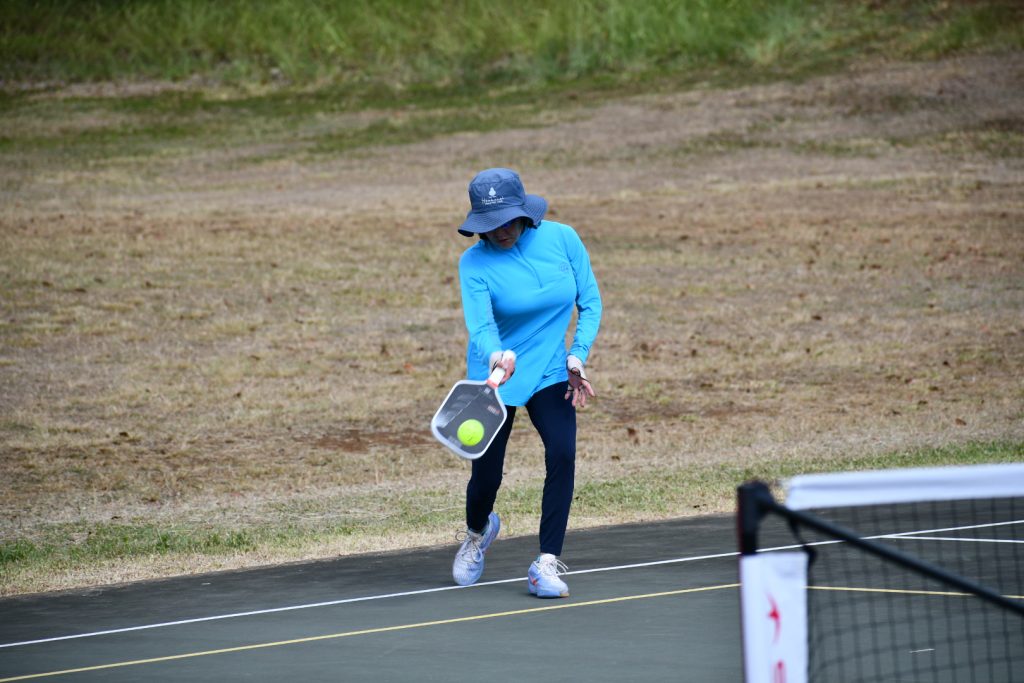
Just as there are smart ways to gain time, there are also plenty of mistakes that take it away — and these are the habits you’ll want to avoid.
1. Short Returns
Returning short gives your opponent an open invitation to rush the net. You don’t want to make it easier for the opposing team to get to the kitchen line and take control. Similarly, serving short can give the returner a chance to drive the ball hard at the net player, putting you on defense right away. Instead of dictating the point, you’re suddenly scrambling to block drives or push them back off the line.
That said, not every short return is automatically bad. If you keep the ball low — for example, with a skidding slice — it can actually cause trouble for certain opponents who aren’t comfortable handling that type of shot. The key is recognizing the difference between a short ball that floats up (which gives away time and control) versus a short ball that stays low and forces errors (which can work in your favor).
2. Rushing Shots
When you rush your shots, you often end up in unbalanced positions and are less likely to hit the ball the way you intended. This creates unfavorable situations where you’re forced to recover quickly and reposition, while your opponent takes advantage. Instead of controlling the rally, you’ll find yourself scrambling and losing valuable time — making it easier for them to put you on defense.
3. Hitting Drives and Speed Ups
Hitting drives or speed-ups can be a great way to win points, but if they’re not executed correctly — or at the wrong time — they can backfire quickly. A poorly timed speed-up often gives your opponent an easy counterpunch, costing you both time and control.
When going for a drive or flick, always think one step ahead: What happens next? Is your partner ready if the ball comes back fast at them? Are you prepared if your flick from the kitchen line floats just a little too high, setting up your opponent for a counter straight at your body? Anticipating the reply is just as important as making the shot.
4. Pop-Ups
You’ve probably experienced this in doubles: either you or your partner pop the ball up too many times, and before you know it, you’re just picking up balls after your opponents pound them at you.
Pop-ups usually happen when your paddle reacts too quickly and you transfer too much energy back into the ball. The solution is learning to stay relaxed. By softening your hands and letting the paddle absorb some of the pace, you can keep the ball low instead of floating it high. Of course, that’s easier said than done — but with practice, it makes a huge difference.
When You Want to Take Away Time from Opponents
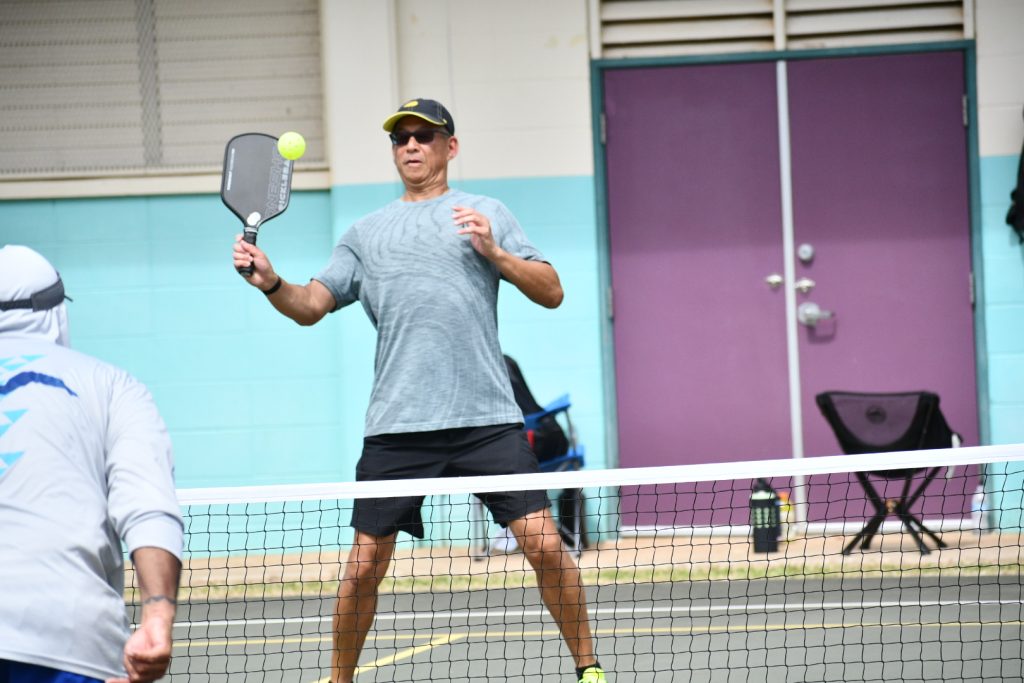
One of the best parts of pickleball is outsmarting your opponents by taking their time away while creating more time for yourself. This is where strategy really shines. Instead of just keeping the ball in play, you start dictating the rally — forcing rushed reactions, setting traps, and putting opponents under pressure. By learning how and when to take time away, you’ll not only win more points but also feel like you’re in control of the pace and rhythm of the game.
1. Fast Hands Battles
When speeding up the ball, it’s important to know your opponent’s strengths and weaknesses. Some players thrive on forehands, while others prefer their backhand. If you recognize that an opponent struggles with one side, you can target that area — especially by aiming at the shoulder or hip.
For example, imagine you’re standing crosscourt from a right-handed player. By speeding up the ball to their forehand side, you can jam them in the body, making it difficult to swing freely. The same principle applies to the backhand side.
Jamming your opponent is one of the most effective ways to take time away. Even if your speed-up doesn’t win the point outright, it often sets you up for the next ball — a much easier put-away.
But what if your opponent is solid on both their forehand and backhand? In that case, the smarter play is to speed up straight at them. More often than not, they’ll redirect the ball crosscourt — sending it to the opposite side of where you started.
This creates what’s called a triangle path: you hit straight, they send it crosscourt, and you’re already anticipating the next shot. Because you expect it, you’ll be ready to counter and execute your reply with confidence.
2. Drives at the Body
Driving the ball can be effective, but as you move up in level, it becomes less likely to win points outright. At higher levels, the drive is best used to set up your next shot — whether that’s another speed-up to apply more pressure, or simply testing if you can jam or pass the net player.
The key is placement. Drives are most effective when hit directly at the player in front of you, not crosscourt. By taking the shorter path, you give your opponent less distance — and therefore less time — to react. That loss of time often forces a weaker reply, setting you up for the put-away.
When not to drive: Avoid driving when you’re off balance, too deep in the court, or reaching for a low ball. In these situations, the drive often pops up — or worse, sails out of bounds because you’re just hitting the ball and hoping for the best.
3. Transition Play
When you’re in the transition zone, your priority should be to hit away from the players waiting at the kitchen line. Imagine two opponents ready at the net: your smartest option is often a soft crosscourt shot into the kitchen. This buys you more time to move forward and forces the opponent to stretch slightly away from the center.
On the following shot, you or your partner — whoever takes the second ball after the transition shot — should aim to place it to the opposite side of the court. This makes the other opponent move as well. By working together this way, you begin to move your opponents side to side, stay in the rally, and gradually take better control of the point.
And if your opponent tries to speed up while you’re still in the transition zone, the best response is a soft volley reset. By resetting the ball into the kitchen before you reach the line, you neutralize their attack and set the stage for constructing the point once you arrive at the NVZ.
4. Kitchen Play
Pickleball isn’t just about hitting fast — it’s about constructing points. By working the kitchen space effectively, you can take away time from your opponent and force them into uncomfortable positions.
A good rule of thumb is to avoid hitting to the same spot more than twice in a row. When you change placement, you’ll notice how much more your opponent has to move compared to you. This is especially true if you can take the ball out of the air and redirect it sooner than they expect.
At the kitchen, your goal should be to move your opponent back off the line and also side to side. This combination opens up more opportunities for you to attack.
One key reminder: always be aware of potential speed-ups. When opponents start losing control or run out of options, they often try to force a speed-up. Keep your paddle up at least at chest height so you’re ready to defend yourself — or even better, counterpunch their shot and turn their attack against them.
Practical Drills to Train Time Awareness
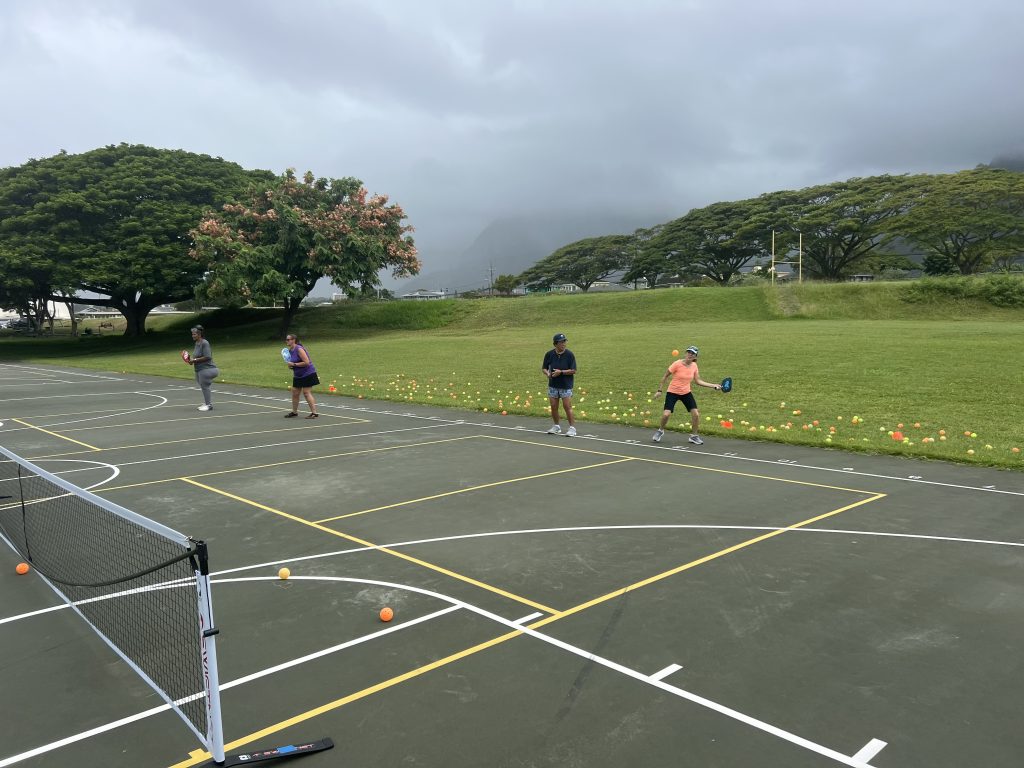
Understanding time is one thing — training it is another. Here are some simple drills you can do at your local Hawaii courts:
Drill 1: Deep Return Challenge
Hit 20 returns in a row aiming for the back third of the court. Score a point for each one that lands deep. This simple exercise builds muscle memory for gaining time and is especially useful because you don’t need a partner — just practice serving yourself a ball and working on consistent, deep placement.
Drill 2: Reset Drill
Stand at mid-court while your partner drives balls at you. Your job is to drop the ball softly into the kitchen instead of hitting it back hard. The goal is to practice slowing down a rally when you’re under pressure.
To make the drill more challenging, have your partner move up closer to the net and aim shots at your feet or knees. This gives you even less time to react — but if you can handle it in practice, you’ll feel much more comfortable making resets during real matches.
Drill 3: Fast Hands Exchange
Improving hand speed is a gradual process — you can’t expect to be quick right away. First, you need control before you can execute fast volleys consistently.
Start by standing with your partner at the kitchen line, about 10 feet apart. Rally volleys forehand to forehand. Once you’re comfortable, switch to backhand to backhand.
Next, add variation: one player uses only their forehand, while the other alternates between forehand and backhand. This creates a triangle pattern and forces quicker reactions.
This progression is an excellent way to build both control and speed with your hands at the net. Over time, you’ll notice you can handle faster exchanges with confidence.
The Mental Side of Time Management
Managing time in pickleball isn’t just physical — it’s mental. The best players stay calm under pressure. They know when to take a deep breath, reset the point, and avoid rushing. Like anything in pickleball, this awareness takes practice. It may feel uncomfortable at first, but over time you’ll grow more confident in knowing when to steal time from your opponent and when to buy it back for yourself.
During your next match, ask yourself these questions:
-
Did that shot give me time, or did it take time away?
-
Am I rushing just to “get it over with,” or am I setting up the next shot?
-
Do I need to slow down here, or is this the right moment to attack?
This simple awareness can help you climb levels faster than any fancy shot. Remember, time is the hidden skill that separates average players from great ones.
Hawaii Pickleball Insight: Local Example
If you’ve ever watched advanced players in Honolulu, you’ll notice they almost never look rushed. They’re calm, collected, and always seem to have an extra second compared to their opponents.
It’s not magic — it’s time management. They hit deep returns, use resets instead of panic-drives, and only speed up the ball when they’re balanced. That’s why they control rallies instead of just reacting to them.
The best part? You can train this skill, too. You don’t necessarily need formal lessons — just practice the strategies and drills we’ve talked about here. With consistency, you’ll start to feel that same sense of calm and control on the court.
Conclusion: Time Is the Real Currency in Pickleball
Pickleball isn’t about who hits the hardest. It’s about who manages time better.
When you gain time, you control the rally, reduce mistakes, and keep your opponent on the run. When you take away your opponent’s time, you force errors and win points. But when you lose time yourself, you hand the advantage away.
The best players balance both. They buy time when under pressure and take it away when they see the opportunity.
So next time you’re on the court, don’t just ask yourself, “Did I win the rally?”
Ask:
“Did I gain time or lose it?”
Master that, and you’ll be playing smarter, calmer, and more confidently — no matter who’s across the net.