
How to Beat Bangers in Pickleball
Hard hitters become much easier to handle when you stop trying to outhit them. The goal is to stay ready, use their pace, control the height of your reply, and make them attack from less comfortable positions.
Updated September 2026
“Banger” is usually used for a player who relies heavily on drives and speed-ups. There is nothing wrong with that style. In fact, a strong drive is an important weapon. The problem comes when you give that player the exact ball they want and then panic when the pace comes back.
1. Expect the Ball to Come Fast
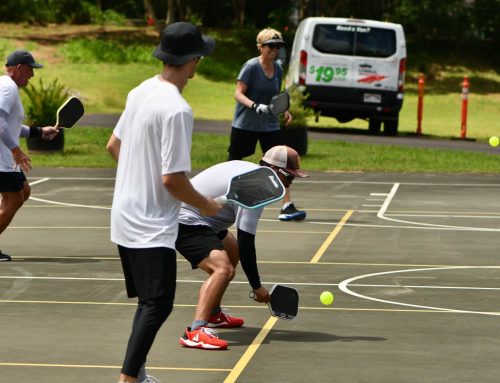
If you know your opponent likes to drive, prepare before they hit. Keep the paddle in front, lower your center of gravity, and stay balanced enough to react in either direction.
The biggest mistake is making a large panic movement after the ball is already on top of you.
2. Block and Redirect Instead of Swinging Back
A good block uses the opponent's pace. Set the paddle face, meet the ball in front, and redirect it to a useful target.
You can aim toward open space, the weaker opponent, the feet, or a location that forces the banger to hit the next ball while moving.
Do not assume every block must go back hard. A softer block into the kitchen can be more difficult than another fast ball directly into the hitter's strike zone.

3. Stop Giving Them the Ball They Want
Pay attention to what triggers the speed-up. Some players attack every short forehand. Others are comfortable driving off the bounce but less comfortable from a low backhand. Some love pace but struggle when they have to generate it themselves.
The goal is not to avoid one player forever. It is to stop repeating the same pattern that gives the opponent a comfortable drive.
4. Reset When You Need Time
A reset is one of the best tools against pace because it changes the speed of the point. Instead of matching the drive, absorb the ball and place it softly into the kitchen.
That gives you time to recover, move forward, or simply force the opponent to create another attack from a lower ball.

Do Dinks Work Against Bangers?
Yes, when the dink is low enough that the opponent cannot attack comfortably. A high dink can become exactly the speed-up opportunity the hard hitter wants.
Use dinks to move the player, change the contact point, and make them generate pace from below net height.
Should You Ever Speed Up Against a Banger?
Of course. The goal is not to become passive. Attack when the ball is high enough, when you are balanced, and when the target gives you an advantage.
The difference is that you are choosing the attack instead of being pulled into a speed contest on every ball.
Three Drills to Practice
Frequently Asked Questions
Are bangers bad pickleball players?
No. Power is a legitimate strategy. The important question is whether the player can control the pace and make good decisions when the drive is not available.
What is the biggest mistake against hard hitters?
Trying to swing harder at a ball that is already coming fast. That often reduces reaction time and control.
Can smaller players beat hard hitters?
Yes. Positioning, timing, touch, anticipation, and shot selection matter as much as raw power.
Final Thoughts
You do not beat a banger by proving you can hit harder. You beat them by making their power less useful.
Stay ready, block compactly, change the target, and reset when you need more time. Once the hard hitter has to attack low balls from uncomfortable positions, the point becomes much more manageable.
Want to Practice Against Pace?
Hawaii Pickleball Academy® teaches blocking, resets, counters, and live decision-making in private lessons and clinics around Oʻahu.
Explore Pickleball Lessons