Honolulu Pickleball Players Are Elevating Their Game With These Core Principles
When you first hear about pickleball, people often say it’s so easy that anyone can learn it — and they’re not wrong. Pickleball is one of the easiest sports to pick up, even without taking formal lessons.
Whether or not you’ve played racket sports before, you can still become a strong player by focusing on a few key core principles. Some of these may require drilling with an experienced partner, while others are straightforward and can be applied immediately.
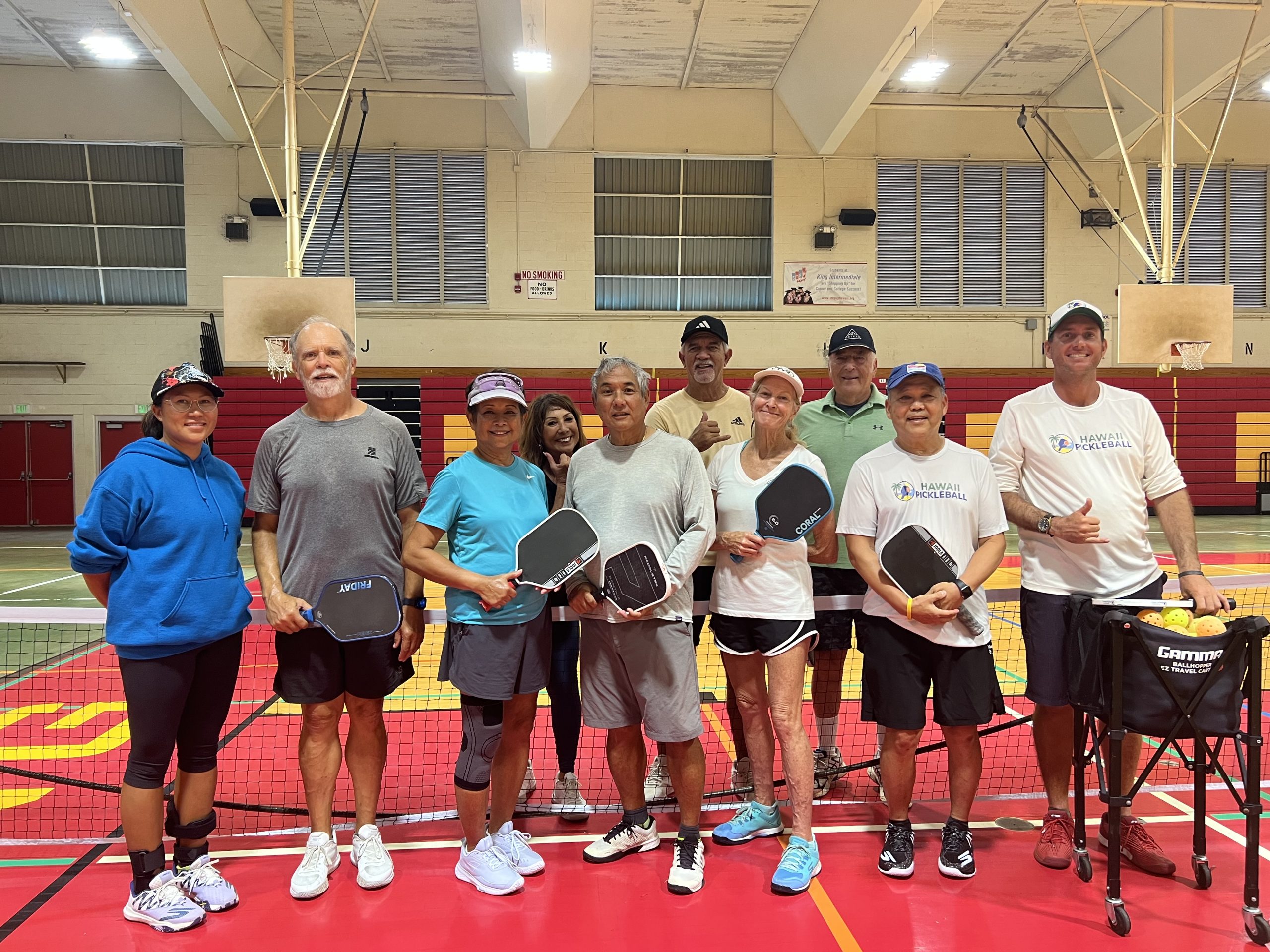
It’s no surprise that so many Honolulu pickleball players are improving quickly — they’re putting these core principles into practice every time they step on the court.
The Core Principles Helping Honolulu Pickleball Players Elevate Their Game
-
Proper Grip
-
Paddle Angles
-
Follow-Through
-
Body Positioning
-
Using the Whole Body
-
Footwork & Court Coverage
-
Shot Selection
-
Anticipation & Reading the Game
-
Consistency Over Power
-
Soft Game Skills
-
Communication (for Doubles)
1. Proper Grip
A proper grip depends on your personal style and comfort. Many players use the Continental grip, also called the “universal” grip, because it allows you to switch quickly between forehand and backhand. Some players, however, prefer an Eastern grip if they favor their forehand, or use it for their backhand if that’s their stronger shot.
The Continental grip is especially useful for quick reactions, volleys, and resets in the mid-court.
The key is choosing a grip that supports the stroke you intend to hit. For example, holding a strong backhand grip can make it almost impossible to hit an effective forehand, and vice versa.
2. Paddle Angles
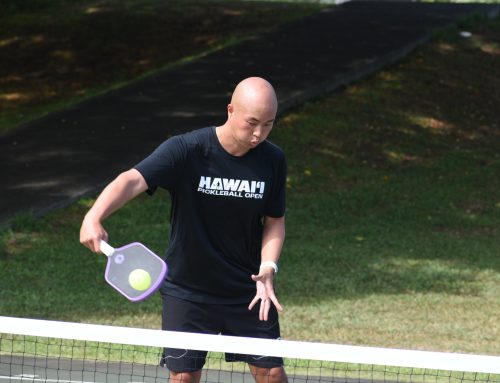
Your paddle face is like a steering wheel — it guides both the direction of your shots and the spin you put on the ball, such as topspin or slice. By adjusting the paddle angle, you can control how the ball reacts after contact, whether it stays low, kicks forward, or floats higher over the net.
3. Follow-Through
A smooth, complete follow-through improves both power and accuracy. However, not every stroke requires the same motion. A volley often needs just a short, controlled movement, while a groundstroke with maximum drive speed demands a full swing for both power and consistency. Each type of shot in pickleball has its own ideal follow-through, and learning these differences will make your strokes more effective.
4. Body Positioning
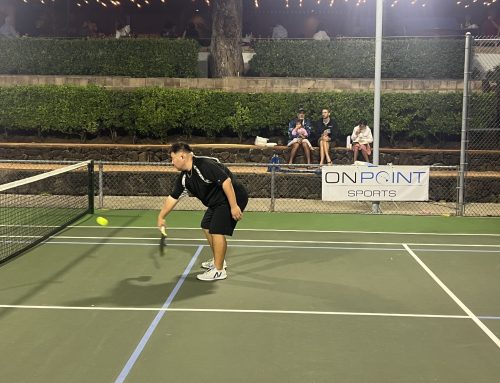
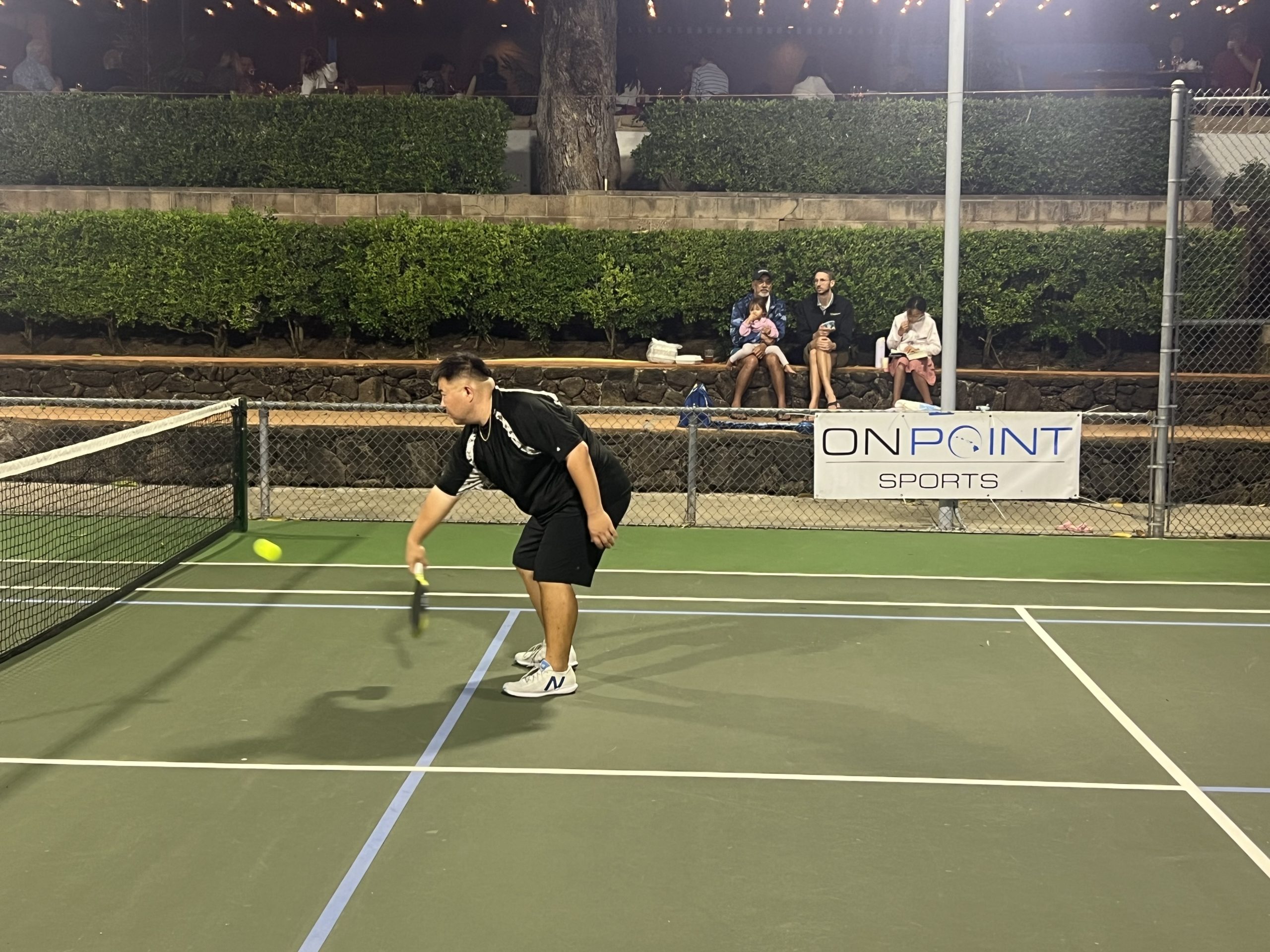
Good pickleball players stay balanced, with knees bent and weight slightly forward. The goal is to move into position so the ball comes to you, rather than reaching or leaning. Proper positioning not only reduces errors but also makes every shot easier to execute. When you’re balanced, you gain more control and can place the ball exactly where you want it.
5. Using the Whole Body
Power and control come from more than just your arm. Engage your legs for stability, rotate your core for power, and use your shoulders to guide a smooth follow-through. Think of your body as one connected unit working together.
When you use your whole body, your arm mainly guides the direction and spin of the ball, while the forward movement of your body provides the power. If you rely only on your arm, without weight transfer or shoulder rotation, you’ll lose both consistency and control. By moving in harmony, you maximize both power and accuracy.
6. Footwork & Court Coverage
Quick, efficient movement is essential in pickleball. Use small adjustment steps to stay balanced and avoid getting caught flat-footed.
Think about it this way: when you practice the same shot from one spot, it feels easy and consistent. But in a real game, the ball comes at different speeds, heights, and angles. The only difference is movement — getting into position to hit that same clean shot.
The key is to move your feet so you’re in the right spot before you swing, as if you never had to move in the first place. Smaller steps are better than lunges because they let you adjust quickly and set up properly for the stroke you want to hit.
7. Shot Selection
Choosing the right shot at the right time can completely change the momentum of a rally. A well-placed dink can slow the game down, a drive can apply pressure, a drop can neutralize an attack, and a lob can push opponents back and reset the point.
When deciding which shot to hit, focus on the ones you can execute with confidence. Not every option is realistic for every player. For example, if your lob is more reliable than your short dink, then the lob is the smarter choice. Playing to your strengths increases consistency and helps you win more points.
8. Anticipation & Reading the Game
Learning to read your opponent’s shots takes practice, but you can speed up the process by imagining yourself in their position. Ask: If I were in their spot, where would I hit the ball?
For example, if you speed the ball up to your opponent’s forehand, chances are they’ll send it cross-court rather than straight back — this is often called the “triangle” pattern. Over time, you’ll recognize these patterns of play. Skilled players seem like they know where the ball is going not because they’re guessing, but because they’re anticipating.
9. Consistency Over Power
Power is fun, but control wins games. Keep the ball in play, minimize unforced errors, and give your opponents more opportunities to make mistakes before you take a risky shot. You can always hit hard, but it’s control and consistency that ultimately decide who wins.
10. Soft Game Skills
The best players master the “soft game” — controlled dinks, drop shots, and resets. These shots slow the pace, frustrate aggressive opponents, and create opportunities to finish points on your terms.
As you gain more experience, you’ll find that fast, hard-hitting rallies become less effective. Purposeful dinking allows you to dictate the flow of play and eventually force your opponent into giving you a ball you can speed up or put away.
11. Communication (for Doubles)
In doubles, constant communication with your partner is key. Call shots, decide who covers the middle, and talk through strategies between points. Good communication prevents confusion and keeps you working together as one unit.
If you run into a situation where both players could have reached the ball, discuss it and agree on who should take that shot next time. Most importantly, don’t blame each other for mistakes. You’re one team — and the more in sync you are, the stronger and more effective you’ll be.
Final Thoughts
By focusing on these core principles, you’ll not only improve your pickleball skills — you’ll also enjoy the game more. Many Honolulu pickleball players have seen noticeable progress simply by consistently applying these fundamentals, whether in casual games at the park or in competitive matches.
Pickleball’s beauty lies in its simplicity, but small adjustments in technique, positioning, and strategy can create a big difference in results. So the next time you step onto the court, remember: it’s not just about playing more — it’s about playing smarter.
Ready to take your game to the next level?
Join our Honolulu pickleball clinics or private lessons and put these core principles into action with expert coaching.