Clinic Recab: How to Build the Point in Pickleball: Creating Winning Shots with Aggressive Drops
During our clinic, we focused on hitting aggressive drops that pull your opponent out of their ideal kitchen position. The purpose of this shot is simple: when you force your opponent off the line, you create space on the court. That space opens the door for an easy attack on the next ball because the defender won’t have enough time to recover or protect both sides of the court.
The First Exercise
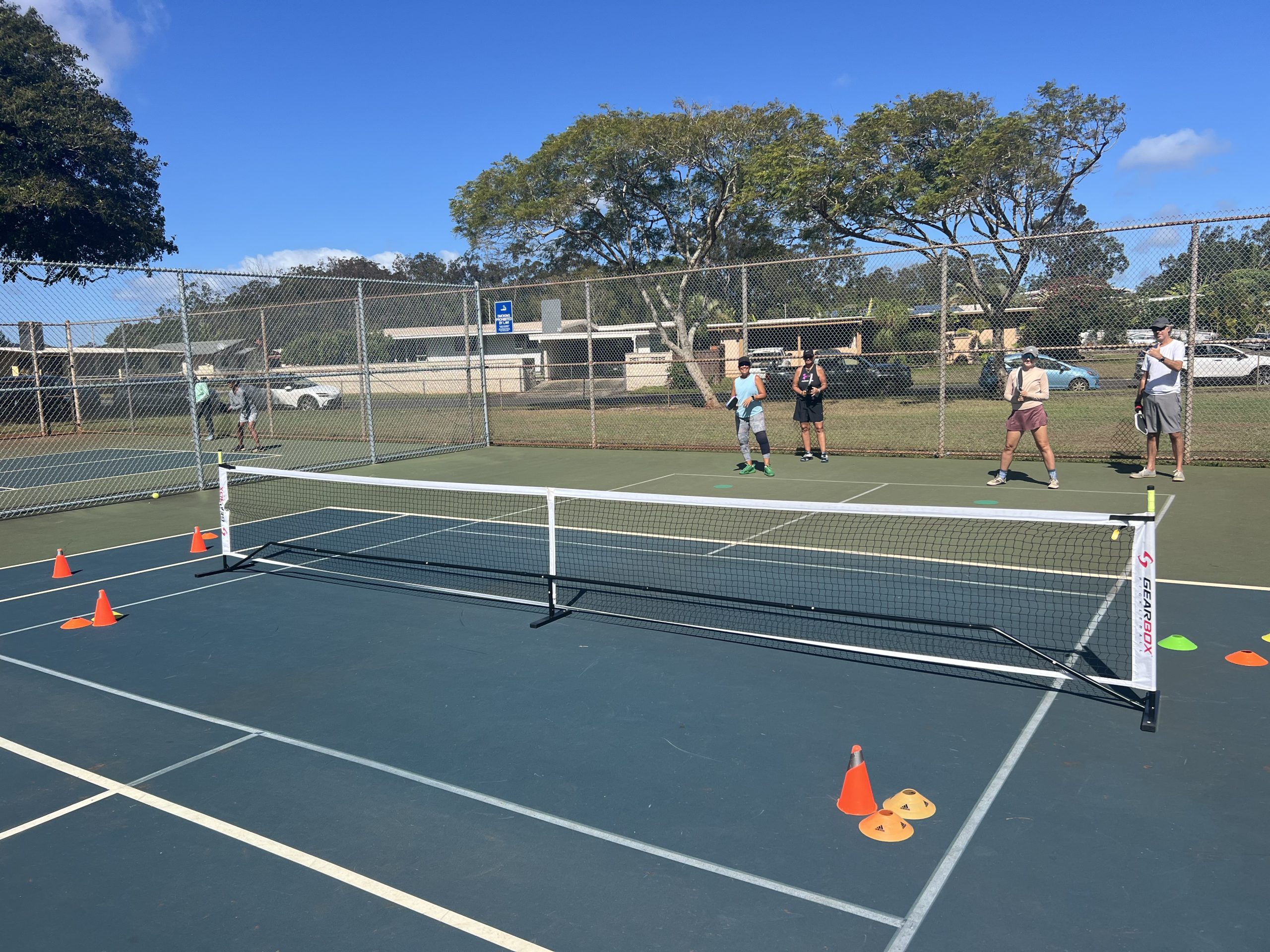
We started by sending the ball straight across the court and aiming for cones. This shot buys the attacker more time and forces the kitchen player to shift away from the center, immediately creating an opening. The key is not to hit it too fast—if the ball travels too quickly, the attacker won’t have enough time to move forward and reach the kitchen line.

Things to Remember
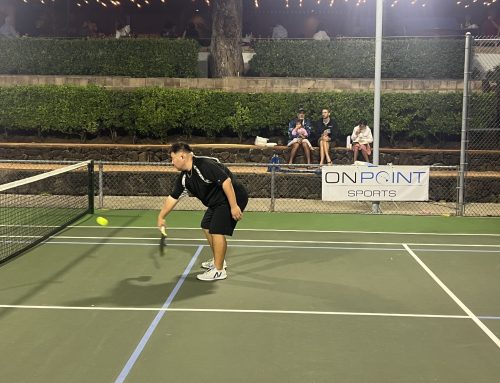
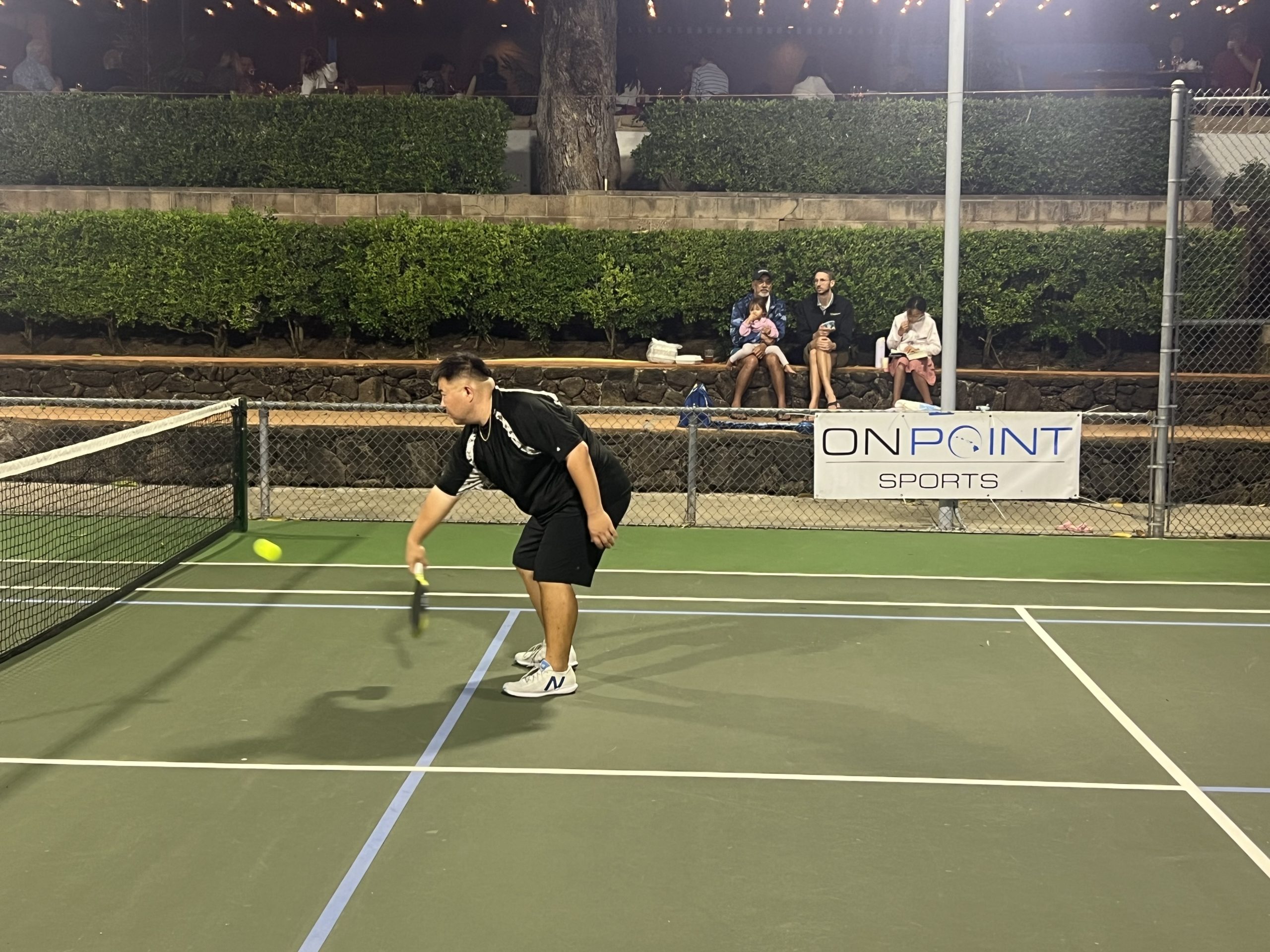
There’s no single “right” or “wrong” way to hit this shot because every player has their own style. But if you focus on lifting the ball with your legs, you’ll become far more consistent. Your paddle angle and arm position determine direction, while your weight shift provides the energy to get the ball over with the right height and pace.
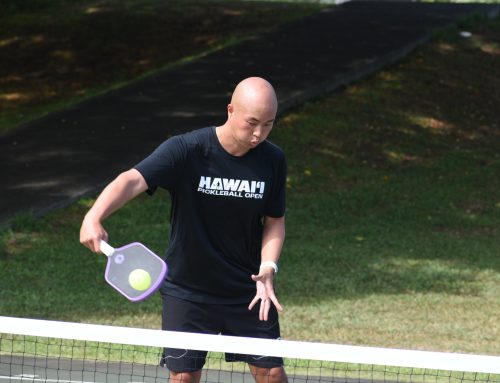
To help players feel the ball better, we used self-feeding. By simply dropping the ball in front of themselves, players could work on technique without reacting to an incoming shot. This small adjustment dramatically improved touch and control.
If controlling the pace is difficult when the ball comes toward you, slow down your swing. Instead of trying to “hit,” place your paddle in the ball’s flight path and shift your body weight forward. Let the ball’s energy work for you. There’s no need to rush—just set the paddle, absorb the shot, and guide it softly over the net.
What’s Next?
After you hit the drop, your next job is to move forward toward the kitchen line. If you hit across, cover the middle. If you hit straight ahead, protect your line. Getting to the kitchen faster gives you far more options, and it puts the pressure back on your opponent—now they’re the ones scrambling to cover their side of the court.
Taking control of the kitchen is what transforms a good drop into a winning opportunity.

Live-Play Application
To finish the session, players practiced the drop in live play from mid-court. This made it immediately obvious which drops were effective and which ones weren’t. A weak drop was punished instantly—the kitchen player could attack out of the air and put the point away. A strong drop, however, set up the attacker for success and kept the rally in their favor.
What Happens If My Drop Isn’t Good?
Not every drop will be perfect—and that’s completely normal. When the drop comes off too high or too fast, the opponent at the kitchen can attack. In this situation, your goal becomes defusing the attack and resetting the point.
During the clinic, we practiced resets to help players stay calm and regain control after a poor drop. Instead of swinging or trying to “fix” the shot with power, we focused on reflecting the ball and letting the opponent’s energy do the work. By simply absorbing the pace and guiding the ball back over the net, players found it much easier to stay in the rally.
The most important part of a good reset is staying low—your body and paddle should both drop below the ball. That gets you under the shot and gives you the softness needed to control it. Keeping the paddle slightly open also helps absorb more pace and send the ball on a slower, higher arc.
On the forehand side, keeping your elbow in front is key. This lets you absorb even more energy and slow the ball down. The backhand works the same way: soften the hands, keep the paddle out front, and focus on cushioning the shot. Think of it as catching the ball on your paddle rather than hitting it.
If the drop didn’t work, Plan B is to slow the ball down long enough to give yourself time to reach the kitchen line. A soft, controlled reset takes the pressure off, neutralizes the attacker, and lets you move forward without added stress.
A great reset can turn a bad drop into a fresh start—and sometimes even shift the momentum back in your favor.
If you like what we teach, join our lessons today.