
How to Build a Point in Pickleball With Aggressive Drops
A good drop is not only a defensive shot that lands in the kitchen. Used aggressively, it can move an opponent, buy you time to advance, and create the next attacking ball.
Updated September 2026
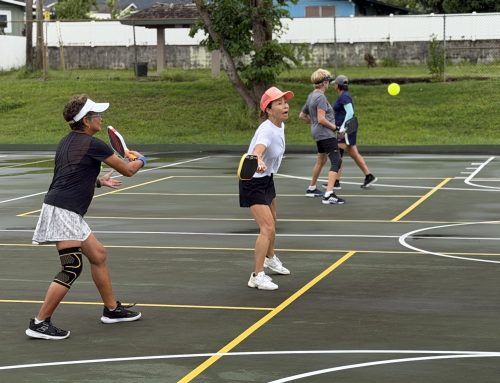
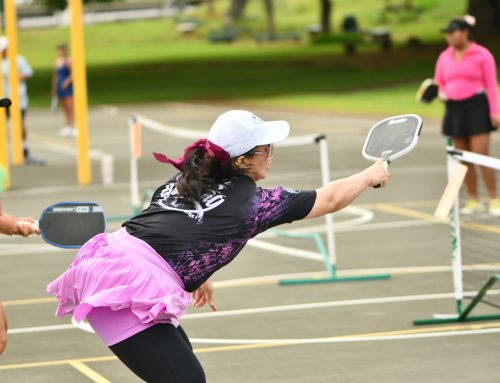
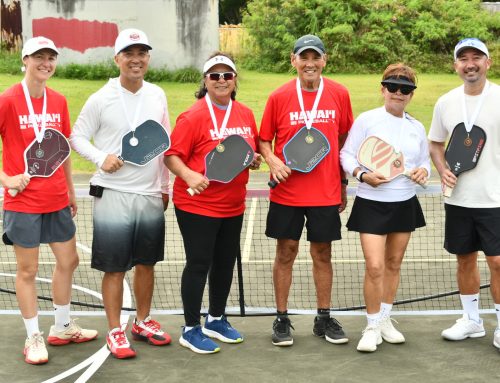
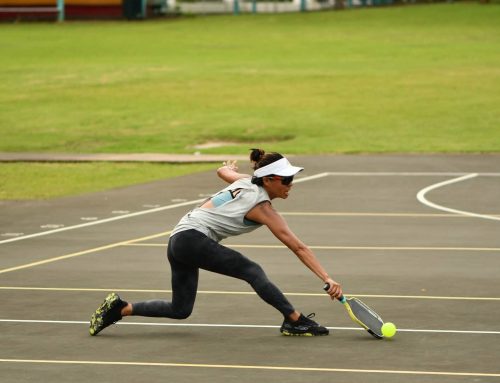
During one of our Hawaii Pickleball Academy® clinics, we focused on using drops to build the point instead of treating the shot as an end goal. The best drop is often the one that gives you time to move forward while forcing the opponent to contact the next ball from a less comfortable position.
1. Use the Drop to Move the Kitchen Player
We started by aiming at cones and trying to move the player at the kitchen away from a comfortable central position. The goal was not simply to hit a prettier drop. We wanted the shot to change the geometry of the next ball.
If the drop travels too fast, you may not have enough time to advance. If it floats too high, the kitchen player can attack it. The useful ball is one that clears the net safely, lands low enough to limit the attack, and gives you time to improve your position.

2. Let the Legs and Body Help Create the Shot
Players often try to manufacture the entire drop with the hand and arm. That can make touch inconsistent. Instead, use a stable paddle face, relaxed grip pressure, and a small lift from the legs and body.
The paddle angle influences height and direction. Your body movement provides part of the energy. The arm should guide the ball rather than suddenly accelerating through it like a drive.
3. Move Forward After the Drop
A drop only helps if you use the time it creates. After contact, move forward under control. Do not sprint blindly into the transition zone if the ball is still attackable.
Where you move also depends on the direction of your shot and your partner. If you pull the opponent wide, protect the space that is most likely to open on the reply.
4. Plan B: Reset When the Drop Is Not Good Enough
Not every drop will be perfect. If the opponent attacks your ball, your goal changes from advancing to neutralizing the attack.
Use a stable paddle, soften the hands, and let the incoming pace do much of the work. A good reset buys back the time you lost and gives you another chance to move forward.
Stay balanced and keep the paddle in front. If the ball comes fast, you usually need less swing. If it arrives slower and lower, you may need a little more lift.
5. Practice the Whole Sequence, Not Only the Drop
In live play, the drop is only one shot in a sequence. That is why we finished the clinic by starting points from mid-court and requiring players to deal with whatever came next.
A useful progression is:
- Feed and drop to a target.
- Drop and take one controlled step forward.
- Drop, move, then play a reset if the next ball is attacked.
- Play the point out live and judge whether the drop improved your position.
What Makes an Aggressive Drop Different?
“Aggressive” does not necessarily mean faster. It means the shot creates pressure through placement, angle, depth inside the kitchen, or by forcing the opponent to move.
A soft ball can be aggressive if it pulls a player off the sideline or forces a low contact. A hard ball can be passive if it goes directly to an opponent who is already balanced and waiting.
Final Takeaway
Build the point instead of trying to win it with one shot. Use the drop to create time, move the opponent, advance your position, and then make a new decision based on the next ball.
For the bigger idea behind this strategy, read our guide to gaining time in pickleball.
Want to Practice Point Construction?
Hawaii Pickleball Academy® offers private lessons, group training, and level-based clinics around Oʻahu.
Explore Pickleball Lessons