
Why Playing Singles and Skinny Singles Pickleball Will Improve Your Game Faster
Singles pickleball is one of the most challenging formats in the sport—and that’s exactly why it’s so powerful.
While doubles pickleball is social, strategic, and fun, singles pickleball pushes players in a completely different way. You cover the entire court on your own, make every decision yourself, and live with the result of every shot. There’s no hiding and no shortcuts.
For players looking to improve faster, adding singles or skinny singles into their routine can be a game-changer.
Why Singles Pickleball Is More Challenging (and More Rewarding)
In doubles pickleball, you share the court, responsibilities, and outcomes with a partner. In singles pickleball, everything is on you.
You move more.
You hit more balls.
You make every decision.
That level of responsibility is exactly why singles is so challenging—and why not everyone enjoys it.
By eliminating a partner, singles puts full accountability on one player. There’s no one to rely on, no one to blame, and no way to hide. For many players, that’s uncomfortable. From my experience—not formal research, just observation—only a small percentage of players truly enjoy full-court singles compared to doubles.
Most players gravitate toward doubles because it’s more social, less physically demanding, and easier on the body.
As players move into their 40s and beyond, full-court singles can start to feel more like work than fun. The constant movement, longer rallies, and physical strain make doubles the more enjoyable and sustainable option for many.
That’s exactly where skinny singles comes in—but first, let’s talk about how to play singles.
How to Play Singles in Pickleball
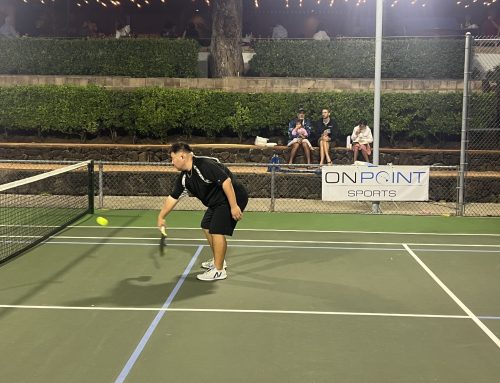
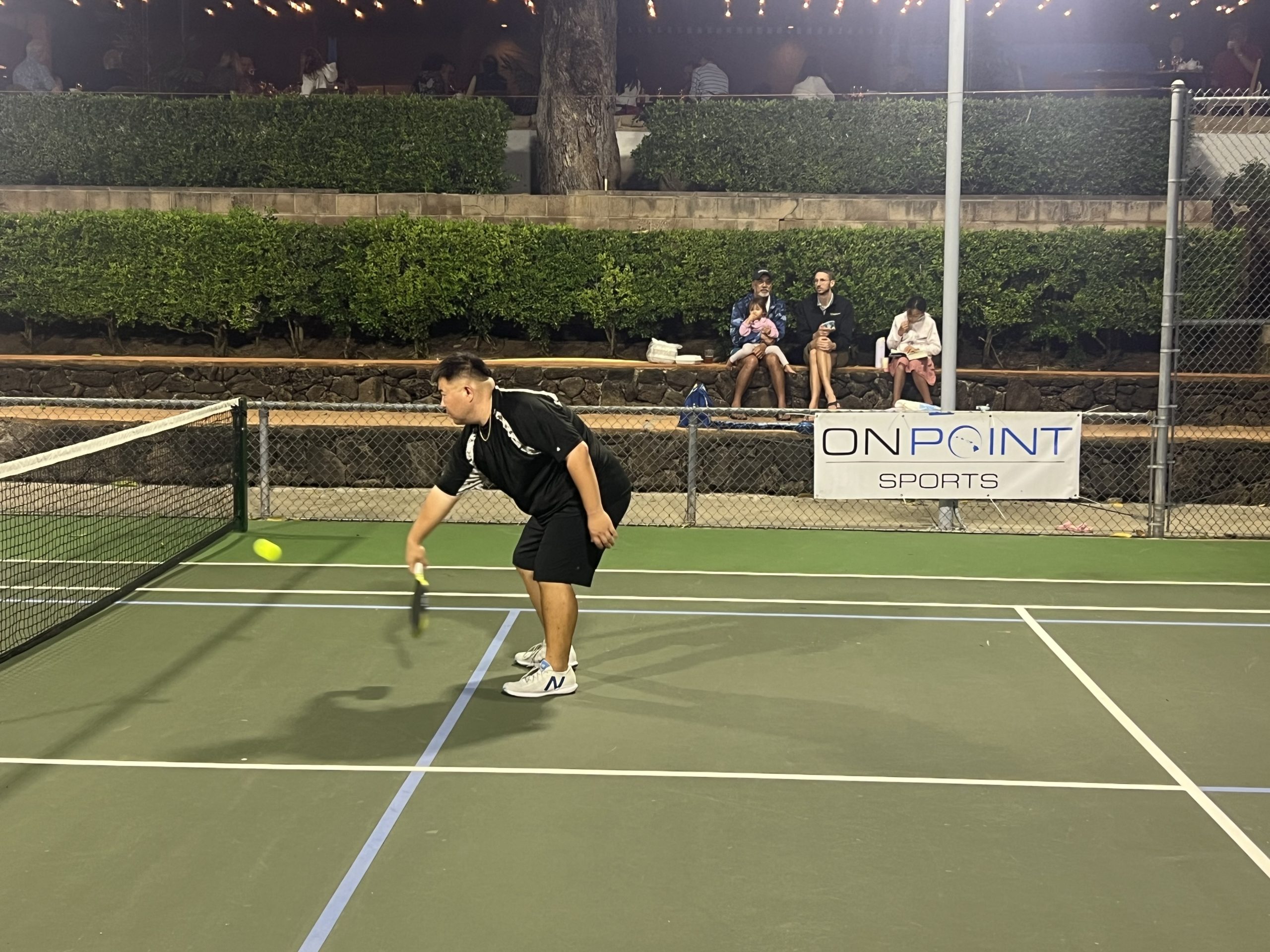
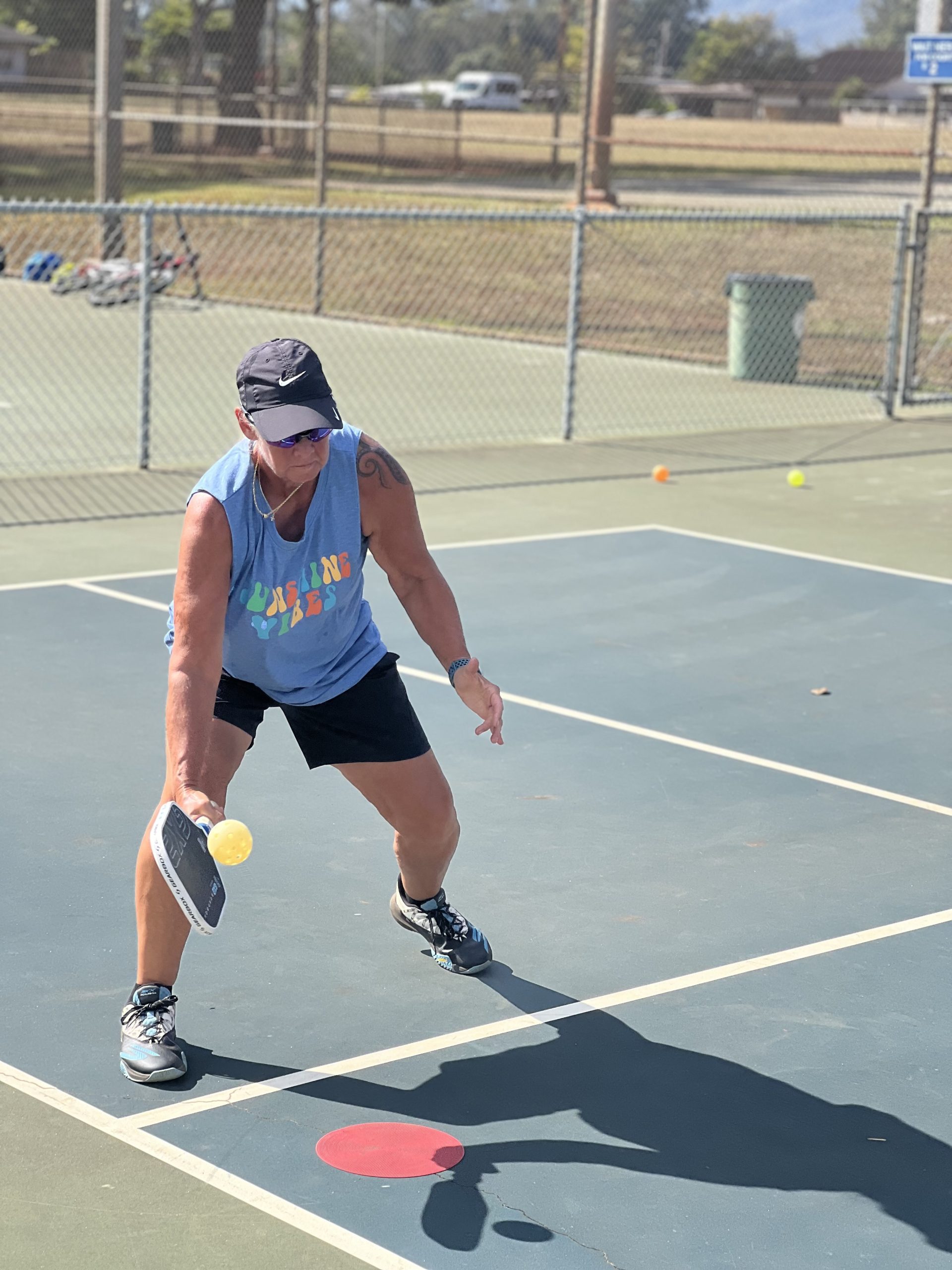
Singles pickleball is played one-on-one, with each player covering the entire court. While the rules are similar to doubles, the movement, strategy, and physical demands are very different.
Serving in Singles Pickleball
- The serve is always made diagonally, just like in doubles—unless you are playing skinny singles, which will be discussed later
- The server serves from the right side of the court when their score is even, and from the left side when their score is odd.
- Only the server can score points.
- There is no second server in singles—each player serves until they lose the rally.
Scoring
- Matches are typically played as best 2 out of 3 games to 11 points, win by two.
- Only the serving player scores points.
- When the server loses a rally, the serve switches to the opponent.
- Some tournaments may play a single game to 11 or 15 points, either win by one or win by two, depending on the format.
Court Positioning
Because you are covering the entire court alone, positioning is critical. After serving, work your way to the net whenever possible. However, the returner has the advantage of getting to the kitchen first and can apply pressure with an early volley, forcing the server to move all over the court.
Stay balanced and avoid getting pulled too wide— the wider you move, the more open the court becomes. Recover quickly after each shot and focus on closing down angles so your opponent has fewer options to attack.
Strategy Basics for Singles
Singles pickleball is about smart movement and efficient shot selection—not just power.
Key strategies include:
• Keep the ball deep to limit your opponent’s angles, especially on the return.
• Move your opponent side to side to create openings.
• Choose high-percentage shots instead of going for risky winners.
• Be patient—longer rallies are common in singles.
• Charge the net as quickly as possible, especially when returning the serve.
Singles pickleball requires more:
- Footwork
- Endurance
- Quick recovery between shots
That’s why many players find singles more challenging than doubles—but also incredibly rewarding. There is also a variation of singles called skinny singles.
In skinny singles, each player covers only half of the court, which makes it much more manageable from a fitness standpoint. However, it requires greater precision and consistency, as players must hit more accurate shots and stay disciplined to remain in the point.
Skinny Singles Pickleball
What Is Skinny Singles?
Skinny singles is a version of singles pickleball where players use only half of the court (one sideline to the centerline). It’s easier on fitness than full-court singles but requires accuracy, consistency, and smart positioning.
Court Setup
- Only one half of the court is used
- Players hit straight ahead (no cross-court shots)
- The centerline becomes the “sideline” for the rally
Serving Rules
- Serve diagonally, just like regular singles
- The serve must land in the correct half of the opponent’s court
- Serve underhand, below the waist, behind the baseline
Which Side Do You Play From?
- Even score (0, 2, 4, etc.) → Serve and receive from the right side
- Odd score (1, 3, 5, etc.) → Serve and receive from the left side
Both players always stay on the same side during a rally.
Scoring
- Games are typically played to 11 points, win by 2
- Only the server can score points
- If the server wins the rally:
- The server scores 1 point
- The server switches sides
- If the receiver wins the rally:
- No point is scored
- The serve switches to the other play.
- Kitchen (Non-Volley Zone)
- The kitchen rules are the same as regular pickleball
- Players may not volley while standing in the kitchen
Key Tips for Skinny Singles
- Keep the ball deep to push your opponent back
- When dinking, aim to keep the ball short and low to limit your opponent’s ability to speed the ball up.
- Always be prepared for your opponent to speed the ball up on any shot.
- Aim for consistency, not power
- Move forward to the net when possible
- Avoid hitting too close to the centerline—accuracy matters
- Remember, you are only covering half the court, which makes it harder for your opponent to pass you—focus on minimizing mistakes and staying in the rally
Why Play Skinny Singles?
- Less running than full singles
- Great for practicing:
- Serve & return
- Net positioning
- Shot accuracy
- Longer rallies
How Singles and Skinny Singles Help You Improve Faster
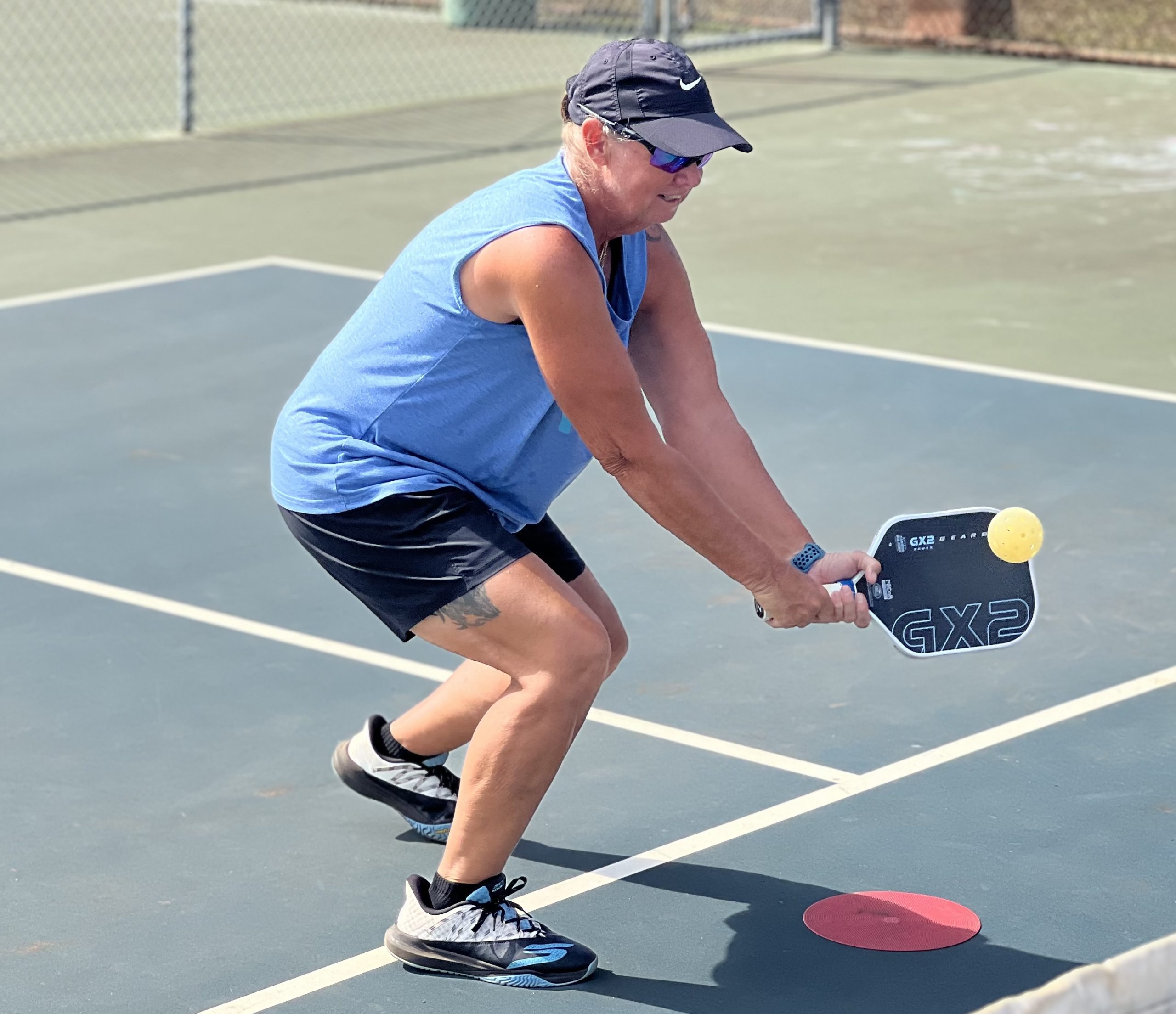
The increased workload in singles and skinny singles forces improvement in areas that often get overlooked in doubles:
- Footwork and speed
- Shot selection
- Conditioning and endurance
- Mental focus and problem-solving
- Because singles pickleball exposes weaknesses quickly, players who train or compete in singles formats often see noticeable improvements when they return to doubles play. Doubles feels slower, decision-making becomes clearer, and confidence increases.
Why We Include Singles at the Hawaii Pickleball Open
At the Hawaii Pickleball Open Singles Championship, we believe singles pickleball deserves its own spotlight.
This event is designed for players who want:
- A true test of skill and conditioning
- Fair, competitive divisions
- A fun but focused tournament environment
- A chance to challenge themselves and grow
- Whether you choose full-court singles or skinny singles, this championship is about pushing your limits, learning from competition, and becoming a stronger all-around pickleball player.
Who Should Play Singles or Skinny Singles Tournaments?
Singles pickleball tournaments are great for:
- Players who want to improve faster
- Those who don’t always have a partner
- Competitive players looking for a challenge
- Recreational players wanting to build confidence
- Anyone curious about testing their individual skills
You don’t need to be a pro to play singles. You just need the willingness to compete, learn, and have fun.
Final Thoughts
If your goal is improvement, singles pickleball and skinny singles are two of the best tools available. They challenge your movement, mindset, and shot-making in ways doubles simply can’t.
That’s why we’re excited to bring singles to the Hawaii Pickleball Open Singles Championship—to give players an opportunity to test themselves, improve faster, and enjoy a different side of the game.
If you’ve never played singles before, this might be the tournament that changes how you see pickleball.