What I Learned Teaching a 10-Week After-School Pickleball Program
Teaching after-school pickleball at Hawaiʻi’s schools is incredibly rewarding. Seeing the children improve, smile, and genuinely enjoy the game is what motivates me to come back every single week to help them get better.
Each school is different. The court setup changes, the space can be limited, and every group of children has a completely different dynamic. While that can be challenging, each class teaches me something new and helps me become a better coach for the next one.
Here are some of the most important lessons I learned while teaching a 10-week after-school pickleball program.
- Make it fun first – Kids learn faster when they’re enjoying themselves. Games beat drills.
- Celebrate small wins – A good serve or rally deserves recognition and builds confidence.
- Simplicity Is Powerful – One idea at a time works best.
- Use repetition without boredom – Repeat skills in different games and formats.
- Group kids by ability when possible – It helps everyone progress at their own pace.
- Set clear expectations early – Respect, safety, and listening matter as much as technique.
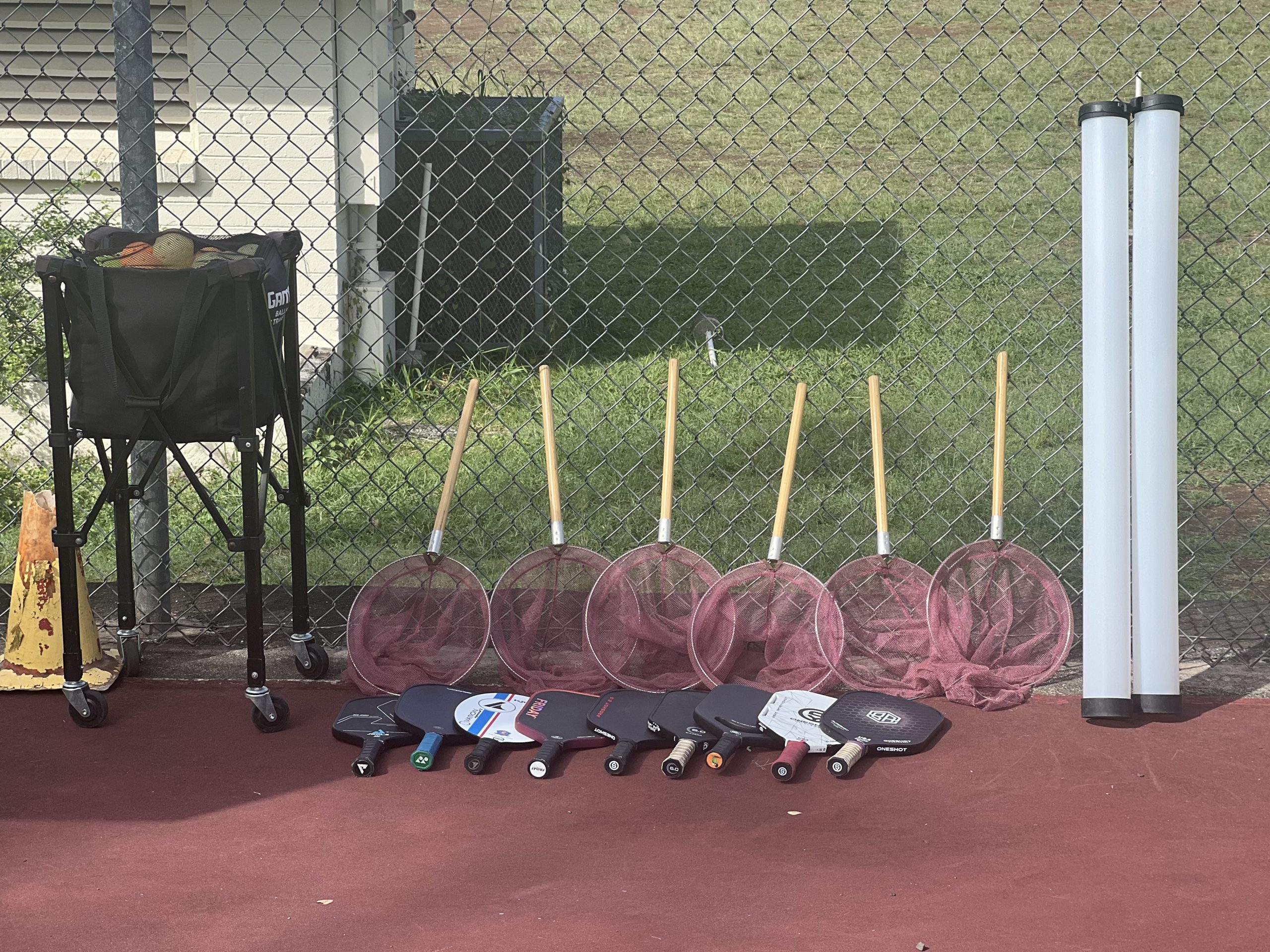
- Adapt on the fly – Court space, equipment, and energy levels change every day.
- Encourage teamwork and kindness – How kids treat each other matters more than the score.
- End on a positive note – Finish every class with something fun so kids leave smiling. Make It Fun First
Make It Fun First
Teaching 8 to 12 children on the same pickleball court can be challenging, but making learning fun is the key. Kids learn much faster when they’re enjoying themselves. Games almost always work better than strict drills.
Focusing only on drills doesn’t hold their attention for long. By turning drills into games or adding small challenges, kids stay engaged, motivated, and excited to learn. When they’re having fun, improvement happens naturally.
Celebrate Small Wins
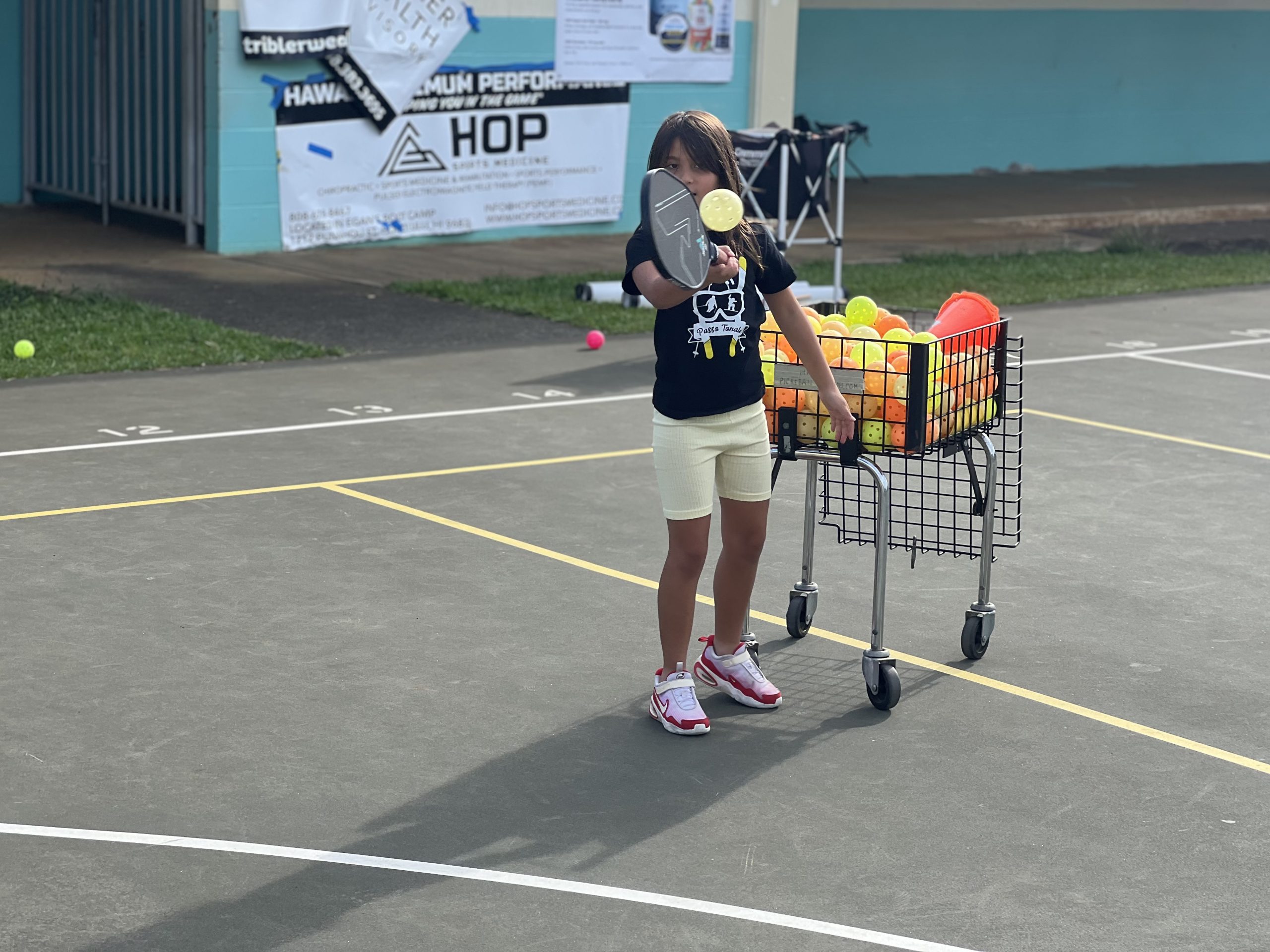
When students hit the ball correctly for the first time using proper technique, you can see how proud and excited they feel. The key is helping them recognize what they did right in that moment.
Pickleball can be challenging for beginners, so even small successes—like a good serve or a clean rally—should be acknowledged. Celebrating these small wins builds confidence and encourages kids to keep trying.
Simplicity Is Powerful
There is real power in keeping things simple. The more complicated the instructions, the harder it is for kids to stay focused and learn effectively.
When you have 10–12 children trying to run, hit, remember multiple steps, and wait their turn, things can quickly become overwhelming. Focusing on one specific shot at a time and keeping drills simple makes learning easier, builds confidence, and helps kids improve faster.
Use Repetition Without Boredom
Repetition is important, but it doesn’t have to be boring. When teaching a specific shot—like a forehand volley—it helps to change the drill while keeping the same focus.
For example, practice the same shot from different positions along the kitchen line or turn it into a movement-based game. Executing the same skill in different ways keeps kids engaged while reinforcing the fundamentals.
Group Kids by Ability When Possible
Whenever possible, grouping kids by similar ability works really well. It keeps everyone challenged without frustration.
When children play with others at a similar level, they often improve faster. They see peers who may be slightly better and naturally want to play like them. This creates healthy motivation and positive competition.
Set Clear Expectations Early
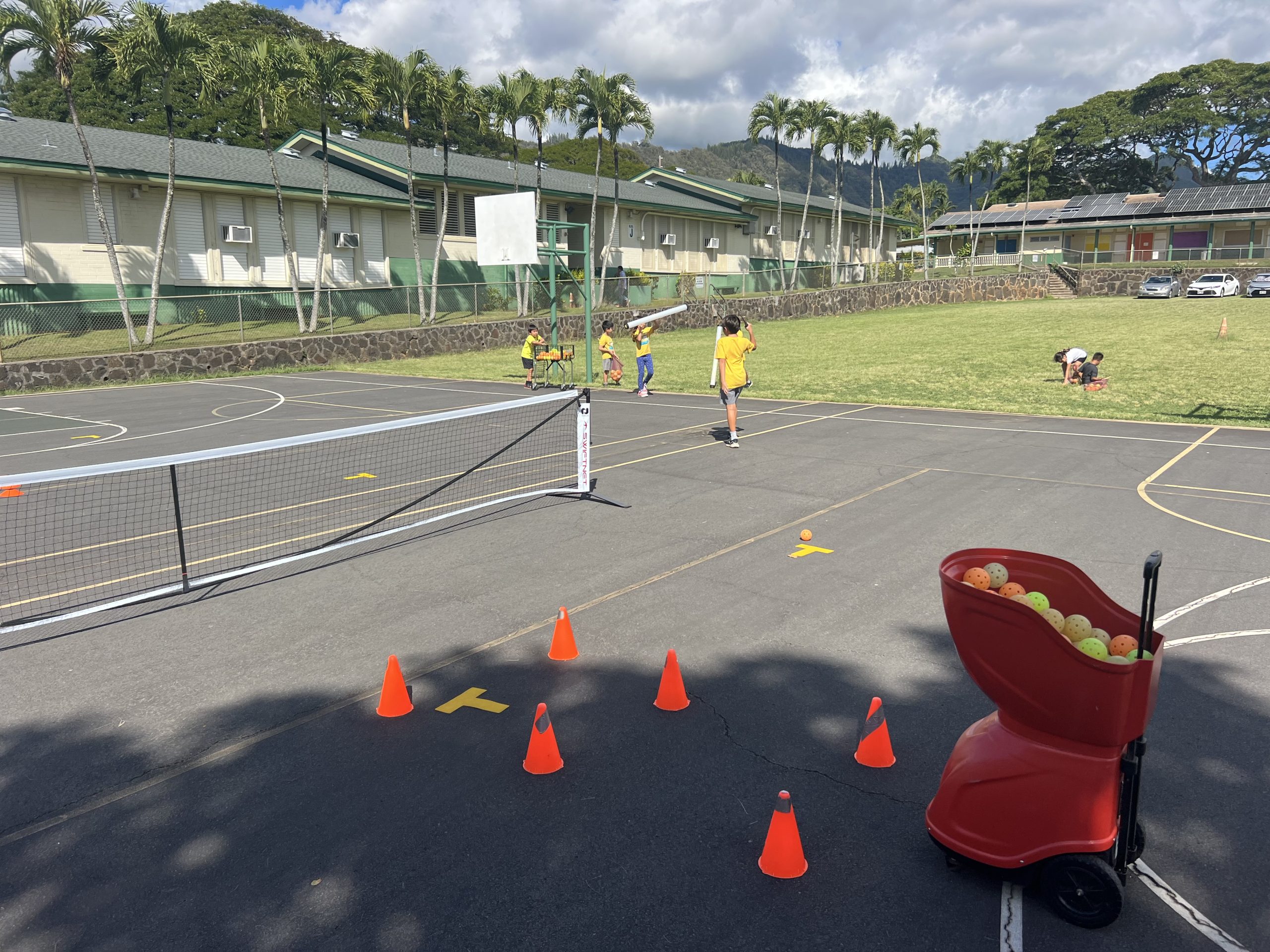
Before the first class, it’s very important to set clear boundaries and expectations. Kids need to understand safety first—especially the dangers of paddles and flying balls when someone isn’t paying attention.
That’s why the ideal ratio is one teacher per eight students. It allows the coach to keep an eye on everyone and maintain a safe environment.
It’s also important to set expectations around encouragement and respect. Some kids will naturally be more athletic than others, and positive encouragement helps everyone improve faster. When students are waiting for their turn, they need to stay aware of their surroundings and remain clear of another player’s swing path.
Adapt on the Fly
Probably the most important lesson I learned is the ability to adapt on the fly.
Sometimes the court we planned to use isn’t available. Other times we end up playing in a driveway or have more children show up than expected. Flexibility is essential.
The same applies to drills. Some ideas sound great on paper but don’t work once you try them with kids. What looks good in theory doesn’t always translate well into real-life teaching.
Being able to quickly adjust drills, spacing, expectations, and energy levels is what keeps the class safe, fun, and productive.
Encourage Teamwork and Kindness
Creating games that encourage teamwork and kindness was one of the most rewarding parts of coaching.
Seeing kids cheer for each other during challenges, or checking in on a teammate after an unfortunate moment, showed real growth beyond pickleball skills. These moments taught them valuable life lessons—and that’s what makes coaching so meaningful.
End on a Positive Note
The last few minutes of class are always important. Ending with a fun game where kids feel successful leaves them happy and excited.
When students ask how much time is left and feel disappointed when class is over, that’s a great sign. It means they were having fun and truly enjoying pickleball. Ending on a positive note keeps them excited to come back next week—and that’s exactly what an after-school program should do.
Conclusion
Teaching a 10-week after-school pickleball program is about much more than forehands, volleys, and serves. It’s about creating a safe, fun environment where kids can learn, grow, and support one another. Every class is different, and every challenge—whether it’s limited space, changing schedules, or varying skill levels—helps shape you into a better coach.
By keeping things fun, simple, and positive, and by adapting on the fly, kids not only improve their pickleball skills but also learn important lessons about teamwork, kindness, and confidence. Watching that growth—both on and off the court—is what makes teaching after-school pickleball so rewarding.
Interested in bringing an after-school pickleball program to your school?
Learn more about our programs and get in touch.