
Clinic Recap: Blocking Bangers and Moving Smarter in Pickleball
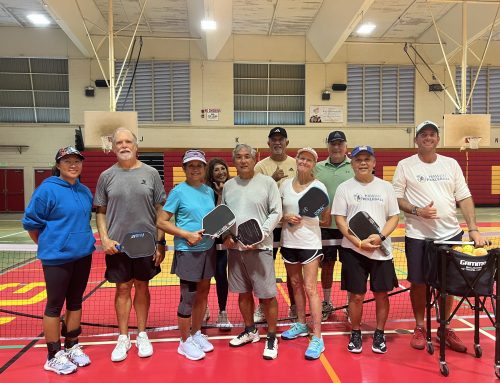
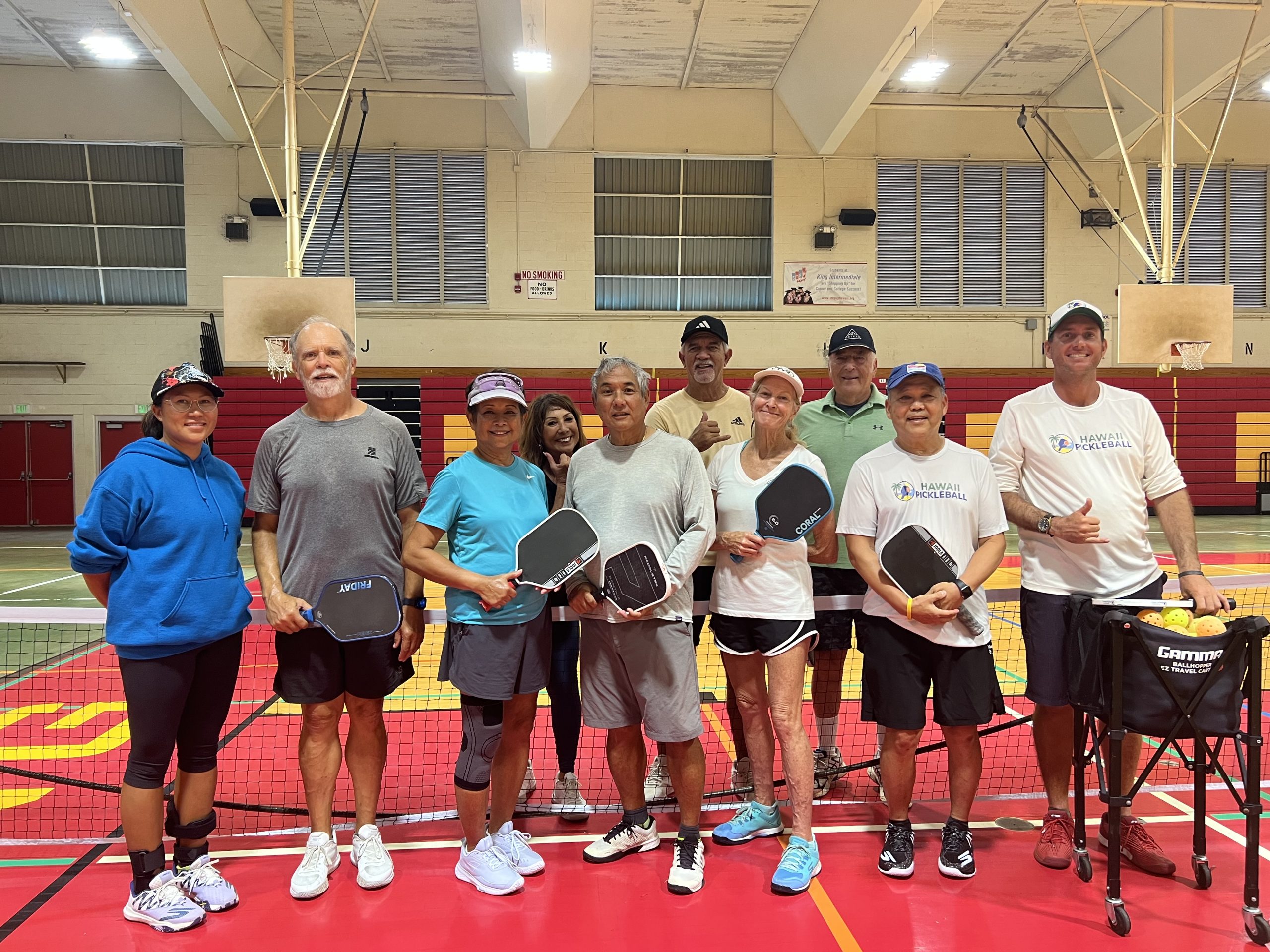
Last week’s lesson was great! Your intermediate+ and advanced group of 8 people did a terrific job. We focused on blocking fast drives coming at high speed. We also worked on moving more efficiently, especially for players who might not be able to hop or move as quickly because of age or injury. The key is not about moving faster—it’s about moving smarter. Short, balanced cross steps and staying light on your feet help you get into the right position without overworking your body.
There were several key components that made your volleys much more efficient.
Reflecting fast balls to the forehand
Elbow in front of the body
By keeping your elbow in front of your body, you become much more precise with your volleys because it gives you more time to focus on the ball coming at your paddle. It’s the same concept as catching a ball — you move your hand to where you think the ball will land and simply catch it. With volleys, it’s the same idea: place your paddle where you expect the ball to make contact and just reflect it.
Paddle angle
By choosing the proper paddle angle, you can reflect the ball in the direction you want to hit. For example, when hitting down the middle: if the ball is above the net, your paddle face can tilt slightly downward. When hitting a ball that’s below the net, your paddle face should tilt slightly upward.
Depending on your forehand grip, your fingernails should point straight ahead when reflecting fast drives between your hips and shoulders. For shots below your hips, your fingernails should point slightly upward. This might not feel natural if you’re not using the traditional volley grip. The traditional volley grip is called the continental grip — also known as the handshake or hammer grip.
Reflecting fast balls to the backhand
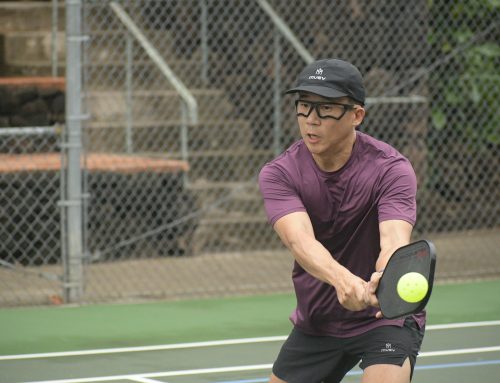
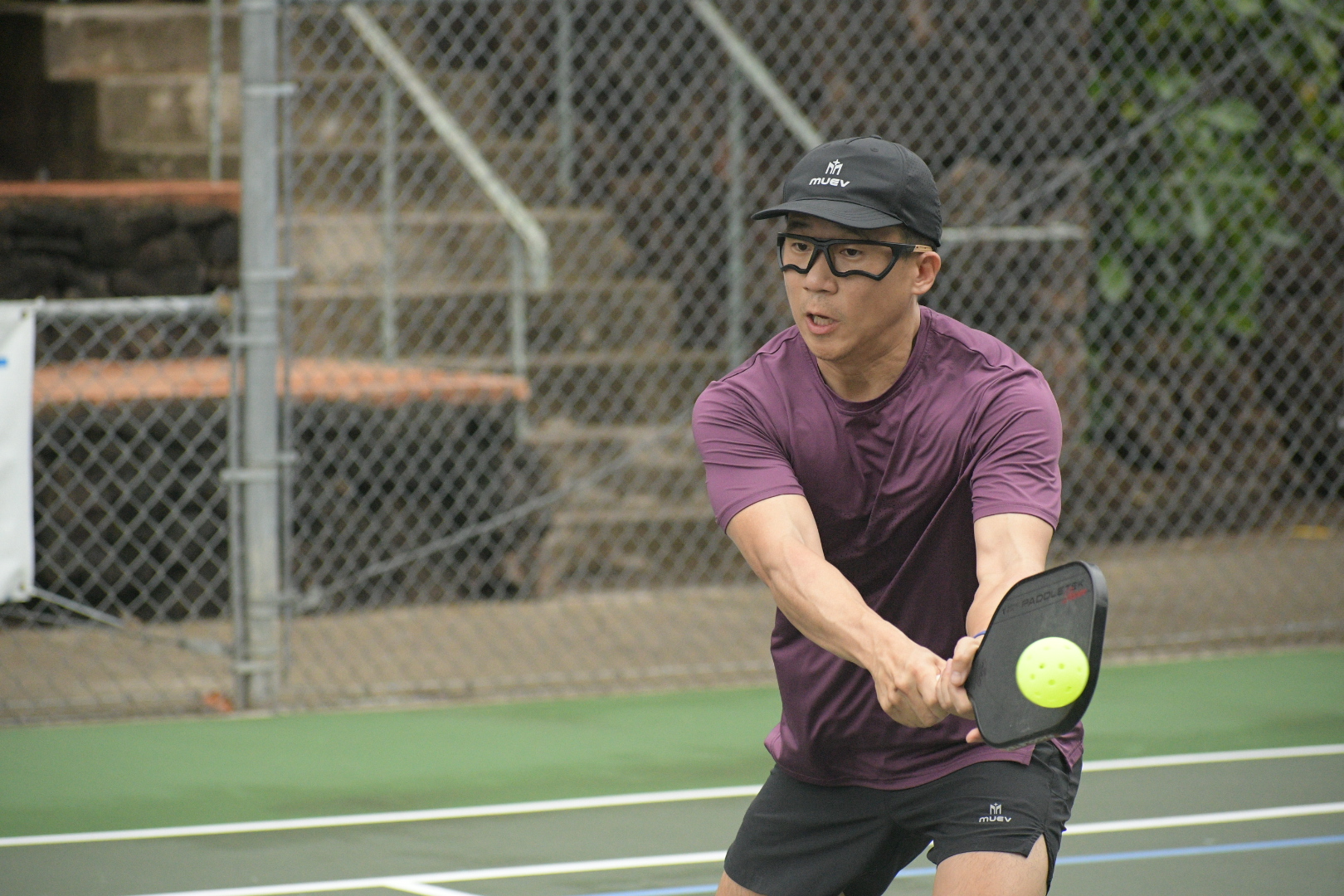
Reflecting fast-paced balls on your backhand side is actually quite simple — you just need to place the paddle in the right position, just like you do on the forehand.
If you’re hitting one-handed, make sure your paddle angle is correct and avoid swinging. Instead, simply push the ball forward.
If you’re using a two-handed backhand, your focus should be on your non-dominant hand — that’s the hand doing most of the work. Keep your non-dominant wrist relaxed and slightly bent to align your paddle with the net. That’s how you’ll be able to push the ball straight ahead with control.
A double-handed volley is also an excellent way to develop your backhand resets from mid-court, since having both hands on the paddle helps you stay relaxed and steady.
Key takeaways
- The paddle angle should change depending on whether the ball is above or below your hips.
- Reflecting fast “banger” shots should feel as simple as pushing a door open with your dominant hand (forehand volley) — elbow in front, light push forward, no extra wrist movement.
- A double-handed backhand gives you more control and opportunities to dominate, but a one-handed backhand is still useful for quick flicks and reaction shots.
Learning how to move better when you’re not as fast as you used to be
Later during practice, we also worked on how to move more efficiently — especially for players who can’t shuffle or move as fast due to age, past injuries, or simply wanting to stay safe on the court.
We focused on becoming more grounded and stable before blocking fast shots. If you can’t get into the right position in time, it doesn’t matter how good your shot is — you’ll always be late.
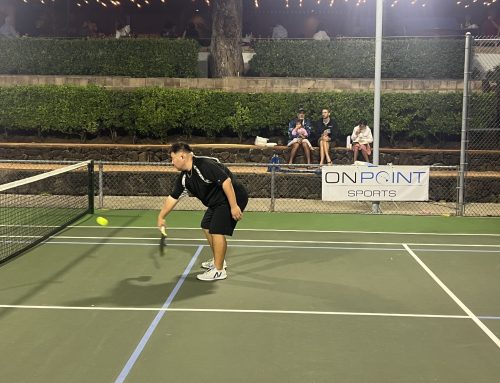
To fix that, we worked on cross-step movement, which helps you move efficiently while protecting your knees and hips and keeping your balance.
How to move left
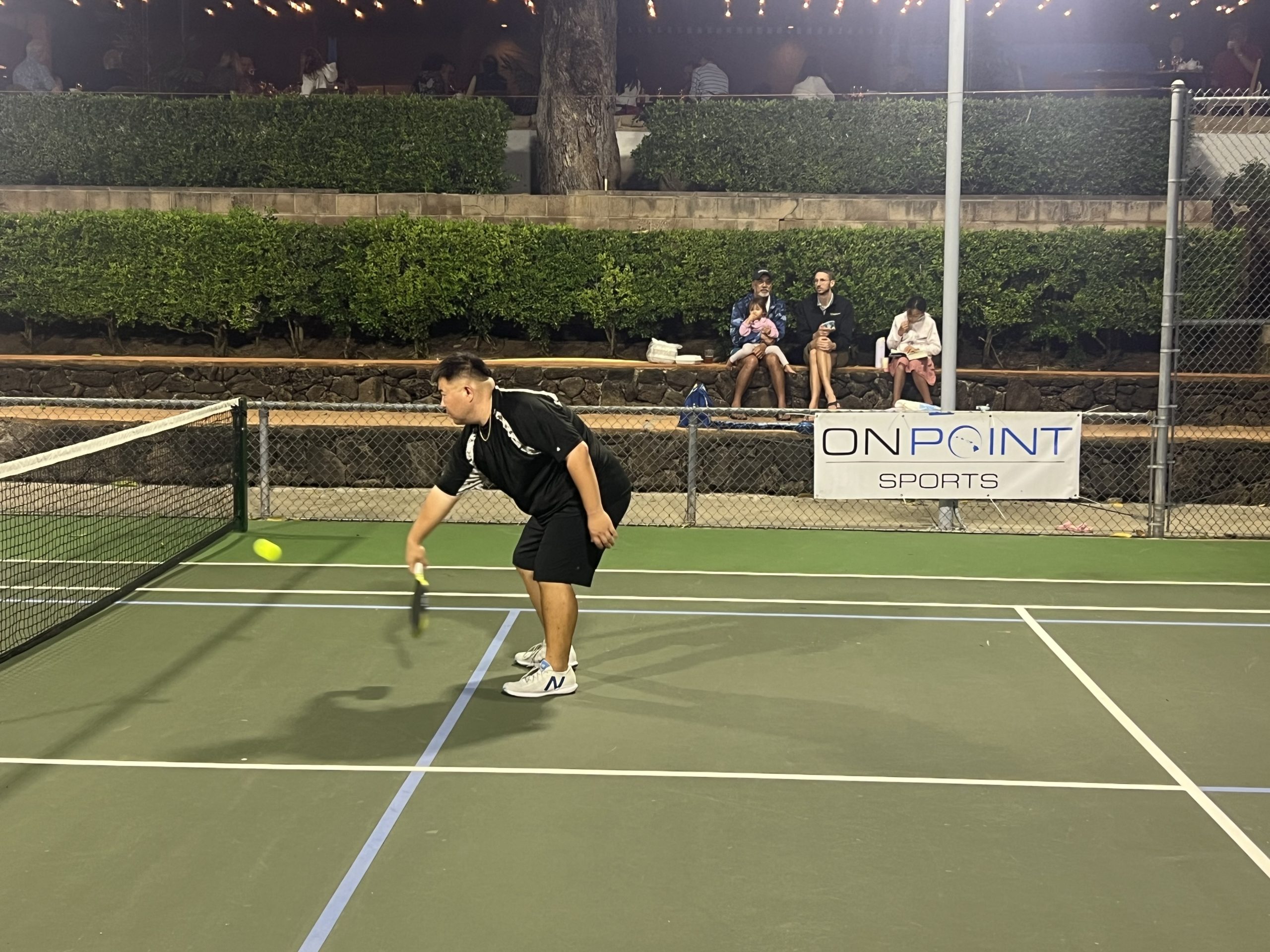
From your ready position, after hitting a backhand, step your right foot across your left — like a short shuffle. Think of it as walking, not jumping.
How to move right
The same method applies to your right side — step your left foot across your right for a smooth, controlled shuffle.
This type of movement is very important for dinking and quick exchanges. The next time you’re pulled wide off the court, this controlled cross-step will help you stay balanced and recover back to position without overworking.
If you enjoy our monthly clinics, make sure to sign up for the next one — we’ll keep building on these skills!
See you on the court,
Honza