
Pickleball Backhand Flick & Counter Punch
The backhand flick is not just about creating speed. The real skill is attacking a ball without losing control of the next one that comes back at you.
Updated September 2026
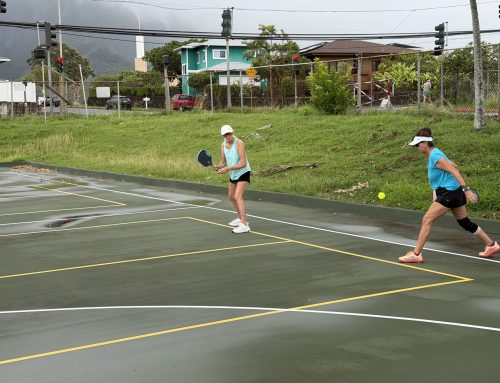
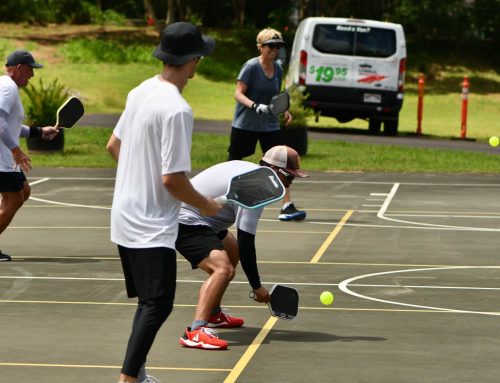
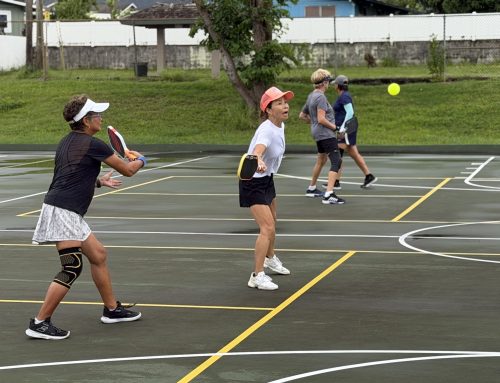
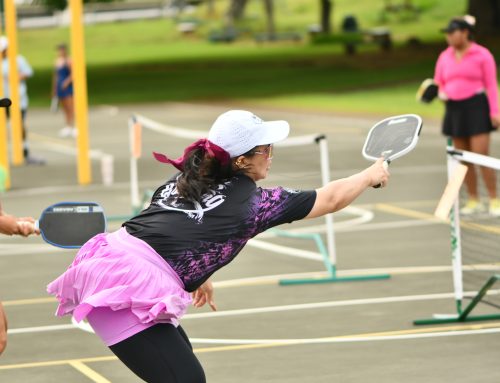
This clinic started with drives and then moved into backhand flicks, speed-ups, and counter punching. The biggest theme was connection between shots. A good attack is not simply the ball you hit—it is also whether you are ready for the reply.
1. Drive Warm-Up: Contact & Weight Transfer
We started with drives because good timing on a drive reinforces the same idea we later need on a flick: contact should happen slightly in front of the body rather than beside or behind it.
Players also worked on moving their weight in the direction of the shot. Everyone has a slightly different style, but balanced contact and purposeful weight transfer made the biggest difference in consistency.
2. Building the Backhand Flick
Backhand flicks can feel awkward if you are more comfortable with two hands or if you do not normally attack from the backhand side. The goal is not to turn the flick into a large backhand swing.
We worked on starting with the paddle prepared, allowing a small low-to-high movement, and accelerating through the ball without over-swinging.
The paddle face should give the ball enough height to clear the net, but the exact angle changes with contact height, spin, grip, and the direction you want to attack.
3. The Flick Is Only Half the Skill
Once the flick started feeling more comfortable, we put it into a live sequence. Players began with dinks, attacked an appropriate ball with the backhand, and then immediately prepared to block or counter the return.
This is where many speed-ups break down. The player attacks, admires the shot for a fraction of a second, and then the counter arrives before the paddle is ready.
The better the opponent, the more important Step 4 becomes.
4. Shot Quality Matters More Than Hitting Hard
During the live games, we tested drives and speed-ups against players already positioned at the kitchen. That quickly showed the difference between a strong attack and a fast ball with poor placement.
A well-placed drive can jam the player, attack a weak side, or create a difficult volley. A hard ball sent directly into an opponent's preferred contact zone can actually make their counter easier.
Before attacking, ask yourself two questions:
- Where do I want this ball to go?
- Where is the most likely counter coming back?
Simple Backhand Flick & Counter Drills
Key Takeaways
- Contact the ball in front of your body whenever possible.
- Keep the flick compact instead of turning it into a full groundstroke.
- Use the paddle face and contact point to control direction.
- Do not attack simply because you can—attack a ball you can control.
- Expect the ball to come back.
- Recover the paddle immediately after the speed-up.
- Placement and anticipation become more important as opponents improve.
For more detail on the two-handed side of the backhand, read our two-handed backhand guide. For the defensive response after a fast attack, see our blocking bangers clinic recap.
Want to Train These Skills in Person?
Hawaii Pickleball Academy® runs level-based monthly clinics around Oʻahu. Current sessions are generally 90 minutes and start around $60.
View Current Clinics