
The Big Benefits of Pickleball for Kids: Why Every Child Should Play
Having children play pickleball from a young age offers countless benefits — especially when they’re introduced to the game through their parents or an after-school program. Pickleball isn’t a challenging sport to learn, but it provides an incredible foundation for coordination, balance, and agility that carries over into many other activities.
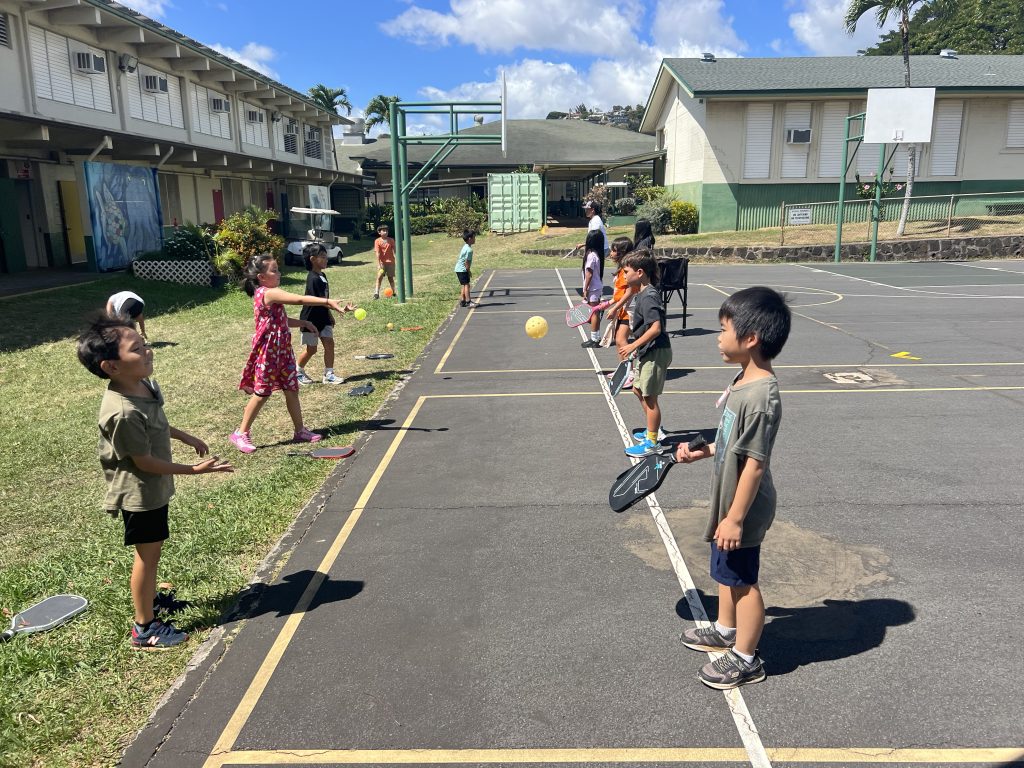
As someone who has taught numerous after-school programs across O‘ahu, I’ve seen firsthand how much this sport helps kids grow — not only as players but as confident, social, and happy individuals.
Seeing the children improve after each class is pure joy — and many of them are just beginning their pickleball journey. It’s heartwarming to watch them run toward the court, excited for their lesson and eager to play. Here are some of the key benefits children gain from playing pickleball.
Coordination
Pickleball helps children develop strong hand-eye and foot coordination through constant movement and quick reactions. In today’s world, many kids spend less time playing simple catch or engaging in active play with their parents — the kind of movement that naturally builds coordination. Pickleball brings those fundamental skills back in a fun, social way, helping children improve balance, timing, and body awareness while staying active.
Depth Perception
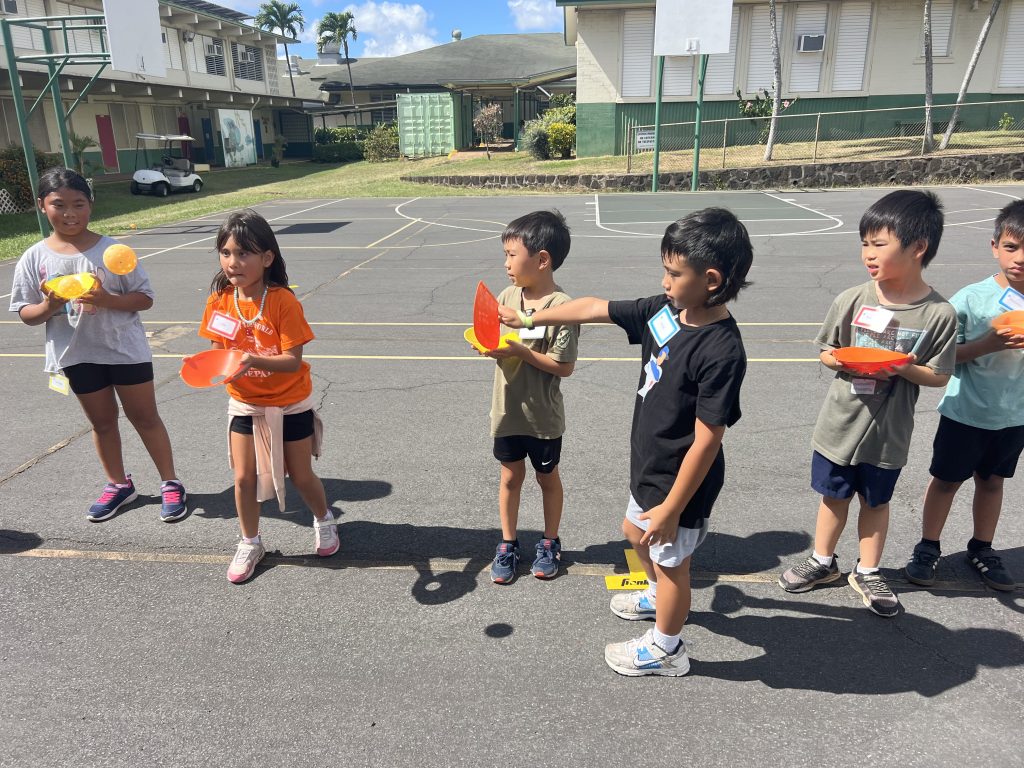
When children see the ball coming toward them, they naturally learn to judge distance and timing to hit it successfully. Because pickleballs and paddles are lightweight, the ball doesn’t travel too fast — making it easier for kids to connect with it and build confidence. This gentler pace allows them to practice proper technique, improve reaction time, and enjoy early success, which keeps them motivated to play more.
Respect for Equipment and Others
Playing pickleball requires equipment that isn’t always cheap — especially when using higher-quality paddles that can cost between $150 and $250. Children need to understand that throwing paddles on the ground is not acceptable and that swinging a paddle too close to others or intentionally hitting someone with the ball can be dangerous. By learning to respect the equipment and stay aware of those around them, children develop valuable habits of responsibility, safety, and care — lessons that go far beyond the pickleball court.
Reaction Time
Pickleball is an excellent way to sharpen reaction time, especially when kids practice volleys close to the net. With proper technique, hitting becomes easier and more rewarding — boosting confidence and giving them that satisfying feeling when they send the ball cleanly back over the net. As their timing and control improve, so does their excitement and love for the game.
Focus
Hitting a ball for the first time can be a little nerve-wracking for children. To make solid contact, they need to learn how to focus — to watch the ball closely and stay present in the moment. For kids who are still developing their coordination, this concentration is key.
Pickleball naturally teaches focus because every rally requires a
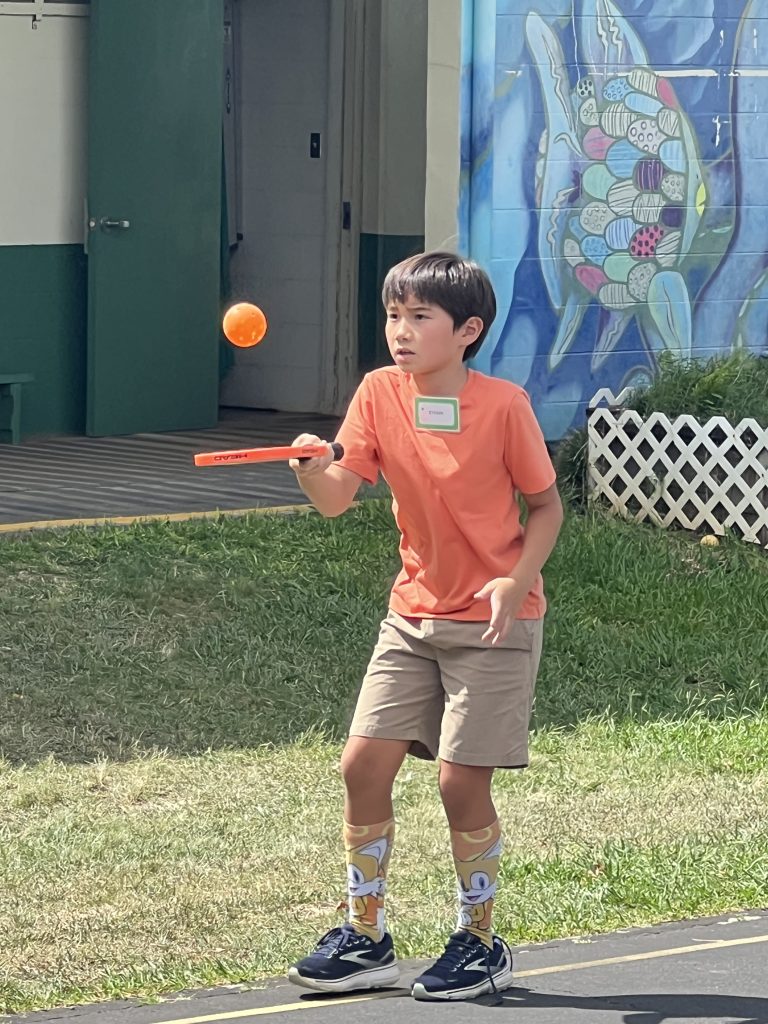
ttention, timing, and awareness. When children learn to tune out distractions and keep their eyes on the ball, they build not only better hitting skills but also stronger mental discipline — something that benefits them both on and off the court.
Teamwork
Playing pickleball in a group setting provides an excellent opportunity for children to work together and build teamwork skills. You can set up fun drills and cooperative games — for example, one child tosses the ball while another hits it, or partners rally back and forth to reach a team goal. These activities teach communication, patience, and encouragement, all while making practice more enjoyable and social.
Healthy Competition
When games include friendly challenges — like who can keep the ball in play the longest or hit a target the most times — kids become eager to do their best. These small competitions teach valuable lessons about both winning and losing gracefully. By creating different games and goals, you nurture resilience, sportsmanship, and a healthy competitive spirit — all while keeping the fun alive.
Sports That Benefit from Playing Pickleball
Pickleball helps with other sports more than most people realize. By learning to react quickly, track the ball, hit with control, and move into the right position, children develop athletic skills that transfer easily to many other games. These same abilities make it easier to learn and improve in a variety of sports, including:
- Tennis
- Ping Pong (Table Tennis)
- Badminton
- Baseball & Softball
- Golf
In short, pickleball builds a strong all-around athletic foundation — helping children perform better, react faster, and feel more confident no matter what sport they choose to play next.
Final Thoughts
Pickleball isn’t just a sport — it’s a fun and effective way to help children develop lifelong physical, mental, and social skills. From improving coordination to building confidence and teamwork, every game played on the court helps kids grow stronger, happier, and more connected.
The best part? They’re having a great time doing it — and creating healthy habits that can last a lifetime.