
Stay on Your Feet: Footwork and Movement Tips to Prevent Pickleball Injuries
Pickleball is one of the fastest-growing sports in the world, and with its popularity comes a wave of new players of all ages. After teaching hundreds of students, I’ve noticed a concerning pattern—especially among players in their 60s and beyond, or those returning to the court after injuries. Many approach the game with the mindset of their younger years, believing their bodies can still move like they did in their 30s. The reality? Their brains may say “chase that shot,” but their bodies don’t always agree.
This gap between what players think they can do and what their bodies can safely handle is one of the biggest causes of avoidable injuries in pickleball. Poor footwork, rushed movements, and unstable positioning can all lead to rolled ankles, strained knees, or even falls that sideline you for weeks. The good news is that with proper movement techniques, solid footwork, and mindful positioning, players can keep themselves safer on the court—while still enjoying the fast, exciting pace of the game.
In this article, we’ll cover essential footwork and movement tips that will help you:
- Move efficiently without overstraining
- Stay balanced during quick changes of direction
- Position yourself better for overheads and volleys
- Play longer, stronger, and with fewer injuries
Because the truth is simple: if you learn to move smarter, you’ll not only play better—you’ll stay in the game longer.
Why Footwork Matters for Injury Prevention
Pickleball isn’t just about hitting the ball; it’s about getting into position safely and efficiently. Every step you take on the court can either reduce or increase your risk of injury.
When I watch my students lose balance on the court, it usually comes down to one thing: limited movement capabilities combined with risky footwork. I often remind them that not every ball is worth chasing—sometimes it’s better to let a shot go rather than risk an injury. With the right positioning, many balls can be returned safely, but without proper footwork, the risk skyrockets.
Poor habits—like lunging awkwardly, crossing your feet to reach for an outside ball, or backpedaling too quickly without planting your back foot for balance—are some of the fastest ways to get hurt. These movements can easily lead to rolled ankles, knee strains, or even dangerous falls.
Even if you’ve had serious injuries in the past—such as hip surgeries, knee replacements, or other procedures—you can still enjoy pickleball. The key is learning how to move in a way that works for your body. Every player has unique limits, and only you truly know what your body can and cannot handle. By respecting those limits and focusing on safe, controlled footwork, you’ll protect yourself while still enjoying the game you love.
Warm-Up First: Preparing the Body to Move Safely
One of the biggest mistakes I see is players jumping straight into games without warming up. A proper warm-up activates your muscles, improves balance, and gets your joints ready for quick changes of direction. I’ll admit, there are times I skip warming up too—but getting your body moving before trying to dominate the pickleball courts is always the smarter choice.
Honestly, if you’re like most people, you just want to grab your paddle and start playing right away. And that’s completely understandable—it’s fun to get right into the action. But here’s the catch: until your body is warmed up, you’ll be limited in how well you can move, react, and control your shots. Skipping a warm-up doesn’t just hurt performance—it also increases your risk of pulling a muscle or tweaking a joint before you even break a sweat.
Quick 3-Minute Pickleball Warm-Up
(Do these before grabbing your paddle — no equipment needed)
1. March in Place (30 seconds)
- Lift knees gently and swing arms naturally.
- Gets blood flowing without strain.
2. Side Steps (30 seconds)
- Step side-to-side across the court.
- Warms up hips, ankles, and knees.
3. Arm Circles (20 seconds forward, 20 seconds back)
- Make small to medium circles with your arms.
- Loosens up the shoulders.
4. Torso Twists (30 seconds)
- Stand tall, rotate side to side gently.
- Prepares spine and core for quick reactions.
5. Mini Squats (30 seconds)
- Bend knees slightly, sit back into a squat, then stand up.
- Activates quads, glutes, and balance.
Core Footwork Principles Every Player Should Master
To move safely and efficiently, keep these principles in mind—because the difference between a successful pickleball stroke and a painful injury can be surprisingly small, especially for people who don’t play pickleball for a living.
You might have watched pro pickleball matches where players move quickly in all directions, but it’s important to understand that this level of movement takes practice, strength, and stamina. Your potential doesn’t determine your outcome—consistent hard work on your movement will increase your skill set, and that growth will directly reflect in the way you play.
Move Slower to Get to the Ball Faster
Here’s a secret: to get to the ball faster, you actually need to move slower.
Sounds funny, right? But it’s true! You don’t have to run as fast as you can — you just need to move in a way that feels natural for your body.
Most players don’t talk about this because it sounds too easy. But this simple trick can help you play better, stay balanced, and control your shots.
Why Moving Slower Works
Imagine you’re standing at the kitchen line and dinking.
Your opponent hits the ball just out of reach, so you rush to get it.
Yes, you might reach the ball — but your speed pushes you too far past the court, and you lose control.
That happens because your feet weren’t steady.
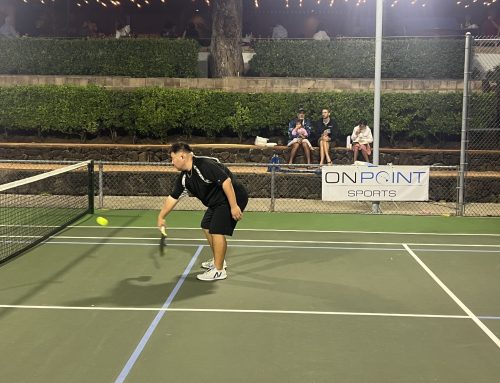
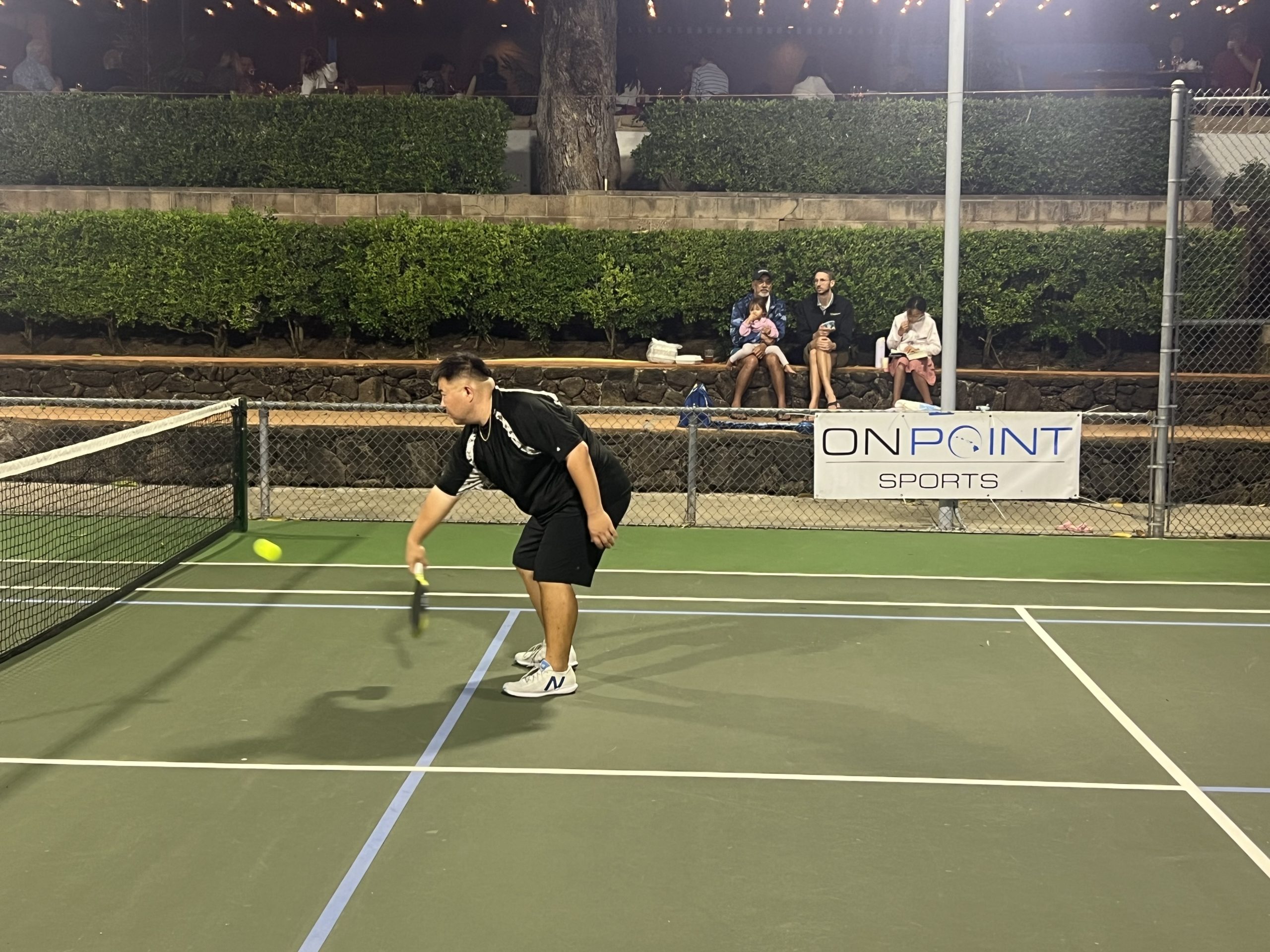
The secret is not to sprint, but to walk to the ball, cross your feet, and then lunge for the shot.
This way, your body stays balanced, and you can hit the ball back with much more accuracy.
How to Cross Your Feet the Right Way
When you’re ready at the kitchen line for a forehand shot:
- If you’re right-handed and the ball goes to your right, first move your left foot across in front of your right foot.
- Then push off with your left foot to glide toward the ball.
- When you’re close, lunge gently instead of hopping or jumping.
This helps you move smoothly, stay balanced, and hit the ball exactly where you want.
Are You Having Trouble Crossing Your Feet?
When you first start crossing your feet, it might feel strange or awkward. But the more you practice, the easier it will become. The great thing is — it’s actually very simple, just like riding a bike. You’ve probably done it before without even realizing it!
All you need to do is refresh your memory and take it one step at a time. Think of it like this: first you cross, then you push off your leg to move to the spot you want.
By crossing your feet, your final position will be much more accurate for your next shot because you can easily adjust how far you lunge. This gives you better control, balance, and confidence with every move.
Why This Helps Your Body
Crossing your feet this way keeps your movements steady and controlled — more than almost any other method.
If you’ve ever had hip surgery or deal with knee pain, this movement can actually make you quicker while reducing stress on your joints.
It’s a smarter, safer way to move — and once you practice it, you’ll notice how much easier the game feels.