What to Expect at Your First Pickleball Lesson in Hawaii
Taking your first pickleball lesson in Hawaii can feel intimidating. Sometimes, if you haven’t met the coach yet, you might be unsure about their skill level or personality. Hopefully, you’ve done some research or seen the coach teach in person—but if not, this blog post will help you get more familiar with what to expect during your first pickleball lesson in Hawaii.
Meeting Your Coach in Hawaii
When you meet your coach for the first time, you’ll likely be asked what you’re hoping to get out of the pickleball lesson. Are you looking to improve a specific shot, learn strategic plays, or stay active and use it as a form of exercise? The coach will probably share a bit about their background, too—but honestly, if you’ve already done your research, you can jump right into the lesson. After all, you’re there to learn pickleball, not the coach’s full biography.
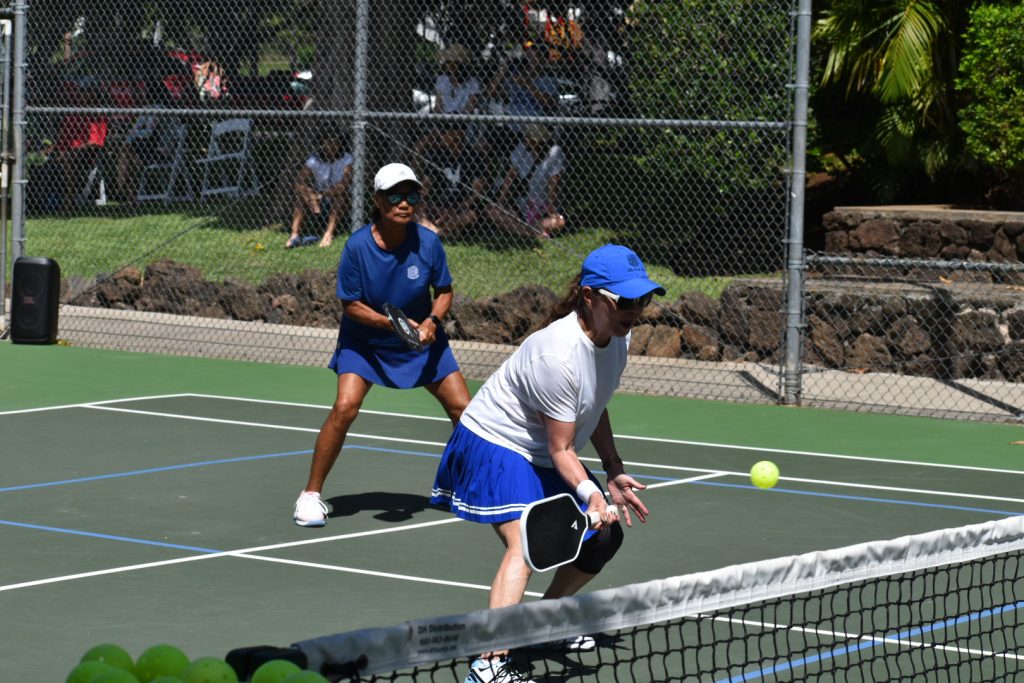
Warm-Up
After the short talk, the warm-up usually takes place in the kitchen area. This allows the coach to ask a few questions while you work on your kitchen strokes and footwork. During this time, the coach can start forming a plan focused on the specific shot or strategy you want to improve. In general, warm-ups are kept short—if your lesson is an hour long, you don’t want to spend more than five minutes warming up.
The First Pickleball Drill
When it comes to pickleball drills, each coach has their way of creating or teaching them. However, most drills should start to help you become comfortable with a specific shot before progressing to more challenging versions.
For example:
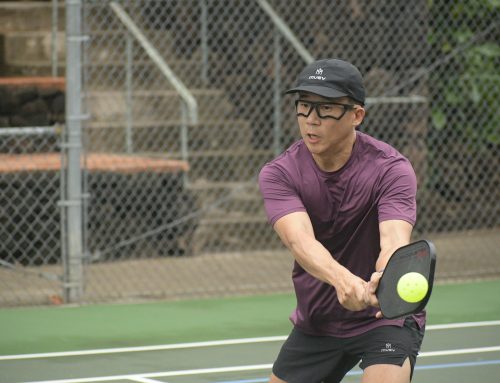
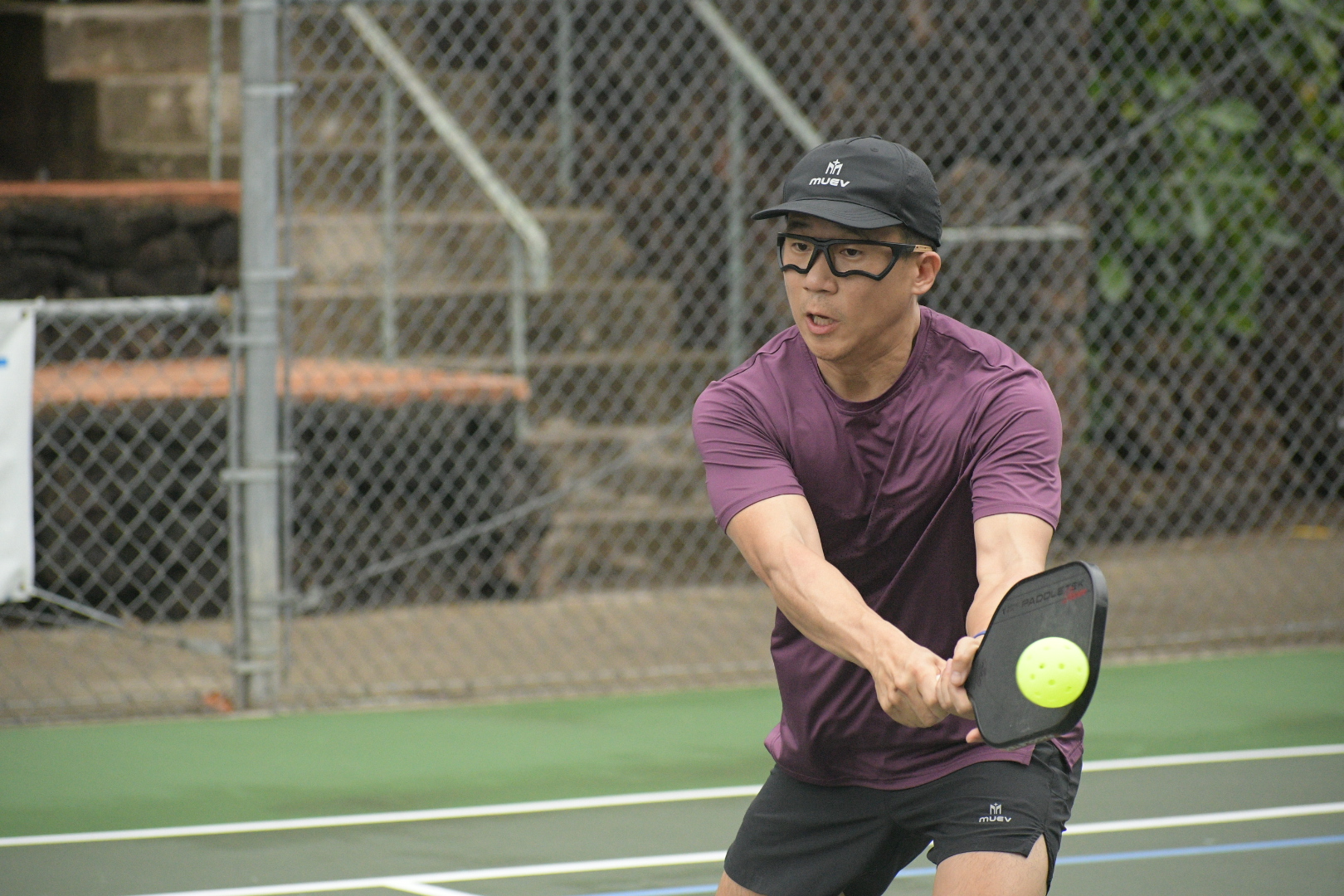
If you’re trying to learn a two-handed backhand but don’t know how to hit it, the coach will first show you how to hold the paddle correctly and where to place your hands on the handle.
Next, you’ll learn how to strike the ball correctly by relaxing your wrist, among other techniques.
After hitting several hand-fed balls, the coach will gradually increase the difficulty by feeding balls from a farther distance. The farther the coach stands, the harder it becomes because you’ll need to adjust your timing and body movement.
Once the drill is finished, you’ll pick up all the balls and move on to a Level 2 drill, which will be more challenging—unless you’re still having difficulty. In that case, the coach may keep the drill simple but slightly different to make it more fun and engaging.
Break
When you finish the basket of pickleballs, you and your coach will likely discuss the previous drill to help you better understand the concept. The weather in Hawaii can be hot, and a one-hour pickleball practice can be very demanding, depending on the coach. This short break gives you a chance to review the drill and recharge your energy before moving on to the next, more challenging drill.
The Second Round of Drills
Once you improve at hitting the shot you’ve been working on, many coaches will begin combining multiple shots to increase the challenge. Adding a second, different shot tests your ability to transition between techniques and truly pushes your skill set.
For example:
You might hit a two-handed backhand, then immediately follow it with a forehand drop shot. Moving from your backhand side to your forehand side—especially when trying to hit a softer, more controlled shot—will test your coordination, timing, and footwork.
After doing several drills, you’ll quickly notice your progress. If you’re having difficulty, the coach can adjust the drills to suit your needs better. Rinse and repeat.
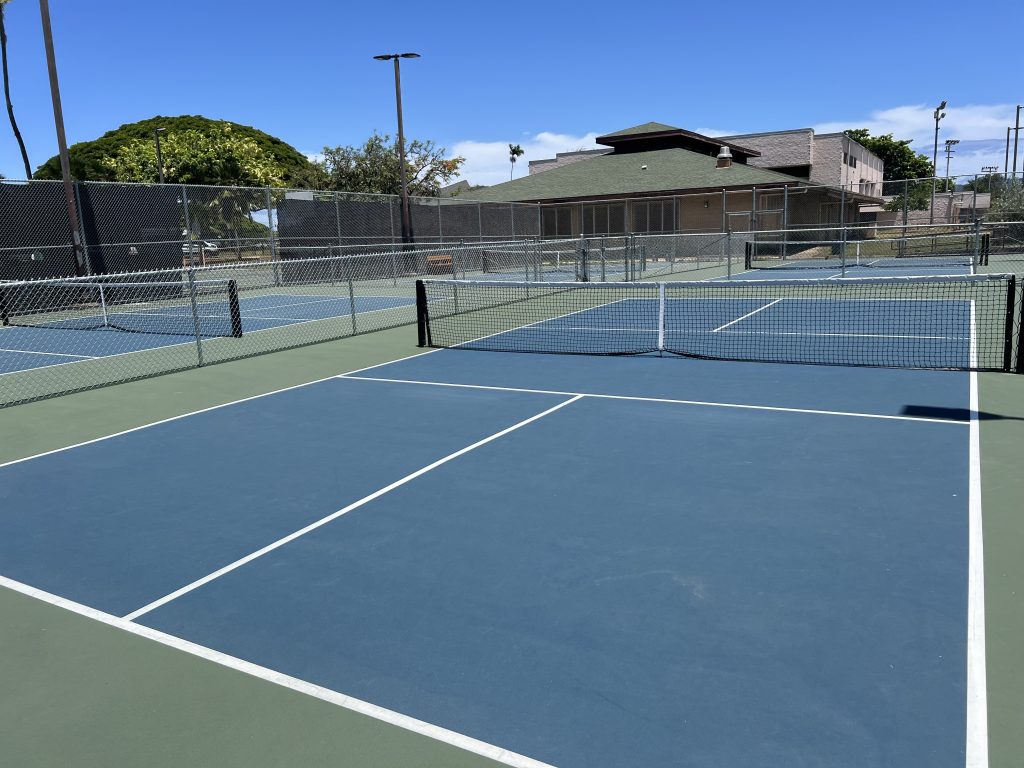
Hawaii Pickleball Lessons Environment
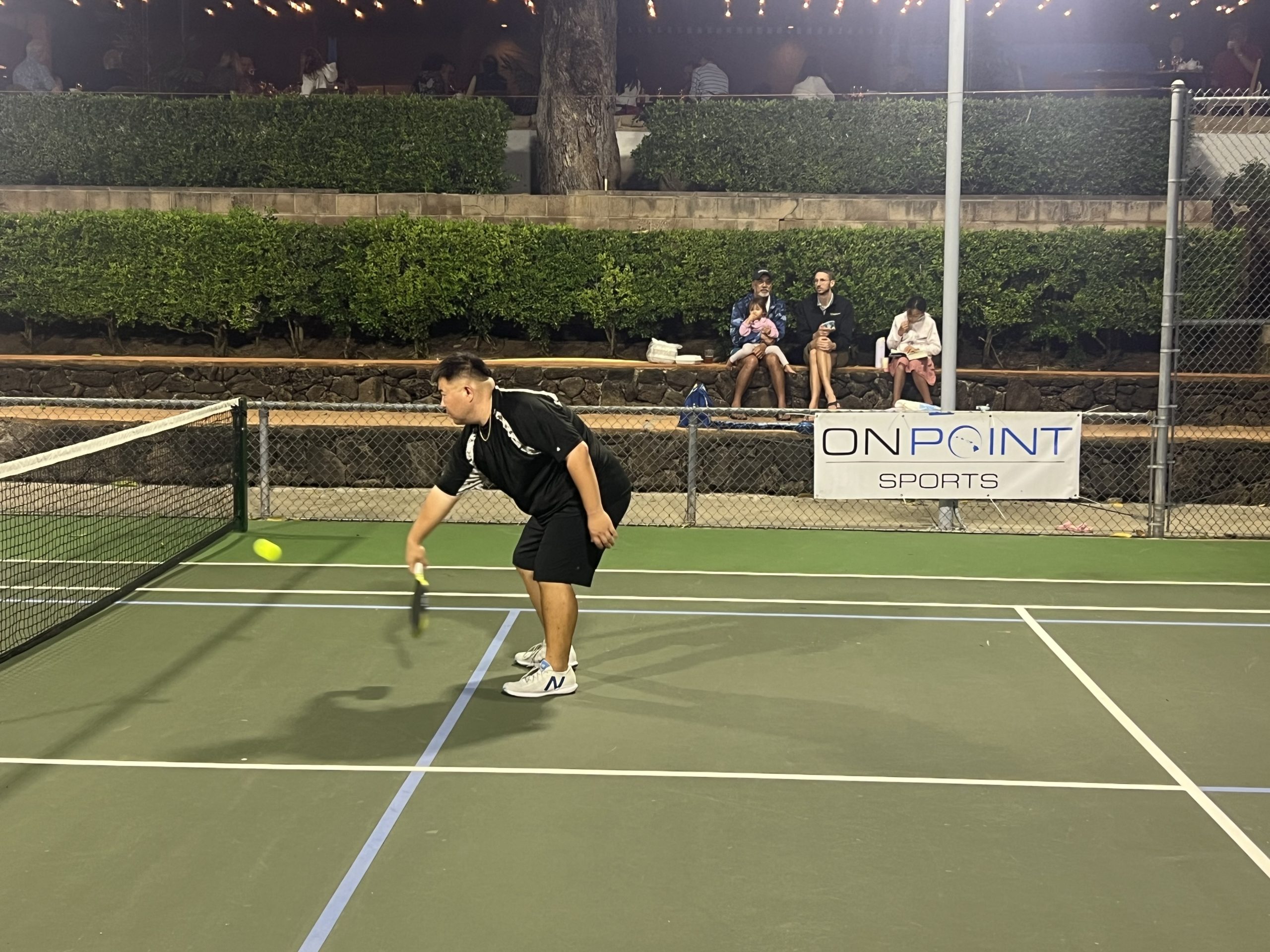
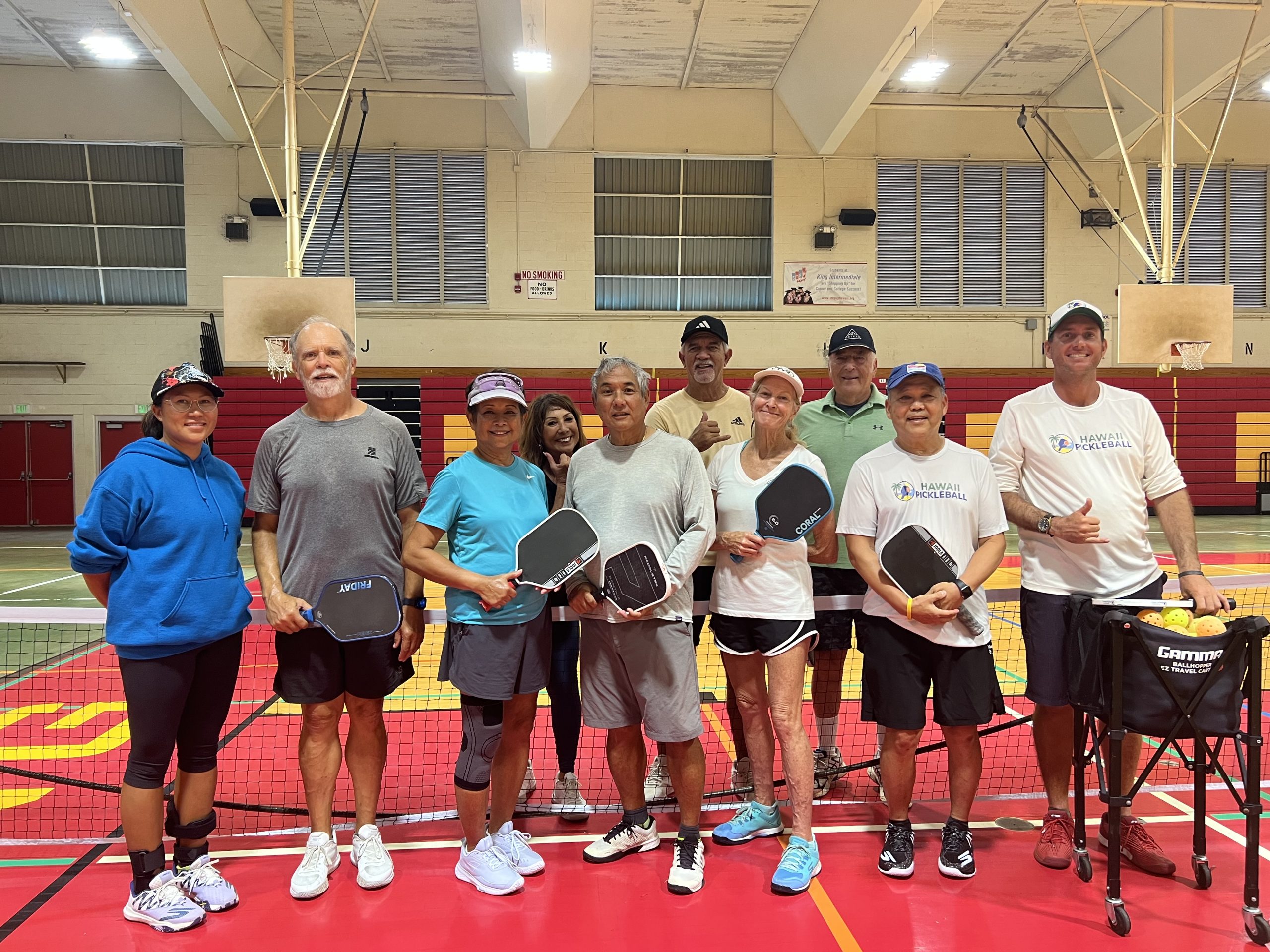
When you take your first pickleball lesson in Hawaii, you’ll likely be playing on a well-maintained court. Hawaii offers over 200 pickleball courts, including indoor facility and access to private clubs.
Most lessons take place at multi-use courts, which may also be lined for basketball or volleyball. While you’ll usually have access to nearby restrooms, the nets are often portable, as Hawaii doesn’t have many stand-alone pickleball complexes yet.
Weather in Hawaii
The climate is generally warm and humid year-round:
- Winter (Dec–Feb): ~79°F (26°C)
- Spring (Mar-May): ~81°F (27°C)
- Summer (Jun–Aug): ~85°F (29°C)
- Fall (Sep–Nov): ~84°F (29°C)
During summer, temperatures can feel much hotter, especially in certain parts of the island. The Windward side tends to be rainier and cooler due to the trade winds.
Sometimes, the wind in Hawaii can be intense, making lessons more challenging. However, pickleball coaches here are experienced and know how to adjust drills to make them effective despite the conditions.
When it rains, many coaches continue teaching, but due to the risk of slipping, drills are modified to reduce the chance of injury.
Tip: Bring plenty of water to your first lesson to stay hydrated and make the most of the experience.
The End of Your First Pickleball Lesson in Hawaii
When your pickleball session ends, the coach will usually review what you’ve learned and highlight any progress you’ve made—ideally, you’ll have improved at least one specific aspect of your game.
If you’re considering taking another lesson because the coach seems like a good fit, please ask if you can schedule a time on their calendar for the following week. Many coaches book up quickly, so securing a spot early can save you the hassle later.
How to Pay for Your First Pickleball Lesson
When setting up a lesson, make sure to ask which payment methods they accept. Some may include tax in the total, so it’s good to clarify that upfront. Payment can typically be made either before or after the session; confirm with your coach what their preference is.
Standard Payment Methods Accepted by Pickleball Coaches in Hawaii:
- Credit Cards
- Venmo
- PayPal
- Cash
What the Pickleball Coach Wants
Every pickleball coach generally wants two things from their students: to help them become better players and to ensure they have a great time. The goals set during a lesson are realistic because pickleball is one of the easiest sports to learn. Having fun largely depends on how the coach manages the session. If you’re not enjoying yourself or don’t see any improvement after the first lesson, consider looking for a different coach.
Conclusion
Your first pickleball lesson in Hawaii should be a fun and positive experience. You’ll meet your coach, warm up, go through some drills, and start seeing progress—even if it’s just one slight improvement. The weather and court conditions can vary, but good coaches know how to adjust and keep the lesson safe and effective.
Remember to bring water, ask questions, and let your coach know what you want to work on. If you enjoyed the session and felt like you learned something, go ahead and book your next one. Pickleball is a great way to stay active, improve your skills, and enjoy the outdoors in Hawaii.