Who Should I Take Pickleball Lessons From on Oʻahu?
The Complete Guide to Learning Pickleball in Hawaiʻi
Pickleball is one of the fastest-growing sports in Hawaiʻi. From Waikīkī to Kāneʻohe, courts are full almost every morning and evening. But once you decide you want to improve, the questions start coming:
- Who should I take pickleball lessons from on Oʻahu?
- What is the best way to learn pickleball?
- How many lessons do I actually need?
- What do coaches charge?
- Can I learn for free?
- And what does it even cost to build or rent a court here?
If you’re serious about improving your game — whether you’re a total beginner or chasing tournament-level play — this guide will help you make the right decision.
What Is the Best Way to Learn Pickleball?
There are two common paths people take:
The “Figure It Out” Method
You show up to open play.
You watch others.
You copy what you see.
This works — eventually. But it often builds bad habits like:
- Swinging too big
- Poor court positioning
- Inconsistent dinks
- Panic speed-ups
And once habits form, they’re harder to fix. However, it’s one of the most common ways people like to learn because it’s free and does not require pickleball lessons.
The Structured Development Method (Fastest Way to Improve)
The most effective way to learn pickleball on Oʻahu also applies anywhere else in the world. Taking structured lessons helps most people improve the fastest. There are different ways structured lessons can be organized, from the size of the group to the specific format and progression of the sessions.
- Beginner fundamentals clinic
- Small-group skill training (8 players or fewer)
- A structured 4–6 week progression program
- A private lesson to refine technique
- Consistent open play for application
Structured training accelerates improvement because you get:
- Repetition
- Immediate correction
- Clear level placement
- Purposeful drills
- Strategy education
That’s why serious players don’t rely on random drop-in sessions alone. Structured lessons that focus on the individual and target specific skill development help ensure the player improves and reaches their full potential.
Who Should You Take Pickleball Lessons From on Oʻahu?
Choosing a coach isn’t just about price. It’s about structure and experience. Sometimes, players need to try more than one coach to find the right fit for them. Overall, great coaches have students who improve significantly and continue progressing with every lesson.
Here’s what to look for:
Teaching Experience (Not Just Playing Skill)
Some players are great competitors but struggle to teach. A strong coach should be able to:
- Break down technique clearly
- Correct positioning and footwork
- Manage group flow efficiently
- Adjust to different learning styles
- Maximize quality repetitions (the right reps are key to improvement)
Small Group Size
The sweet spot for development is:
- 2 players (ideal for semi-private)
- 6–8 players on 2 courts (for group training)
- Focused, repetition-based drills
Anything larger often turns into crowd control rather than true coaching. One coach can effectively manage 8 players if they can rally consistently with each other, but two courts are necessary to ensure the lesson runs smoothly and players get enough quality reps.
Clear Level Separation
Beginner, Intermediate, and Advanced players should not be mixed together.
When levels blend, progress slows for everyone. Stronger players don’t get the challenge they need to advance, and lower-level players often struggle to keep up. Keeping levels clearly separated allows each group to train at the right pace and improve more efficiently.
Community Presence & Credibility
Look for:
- Tournament involvement
- Google reviews
- Consistency of programming
- Player testimonials
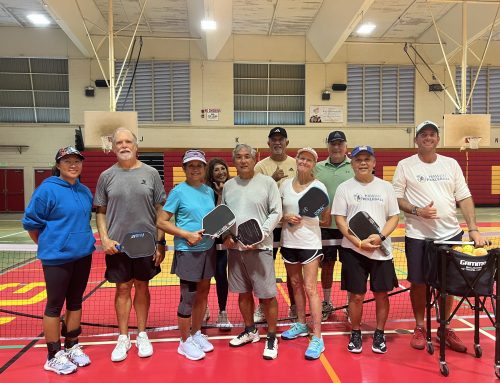
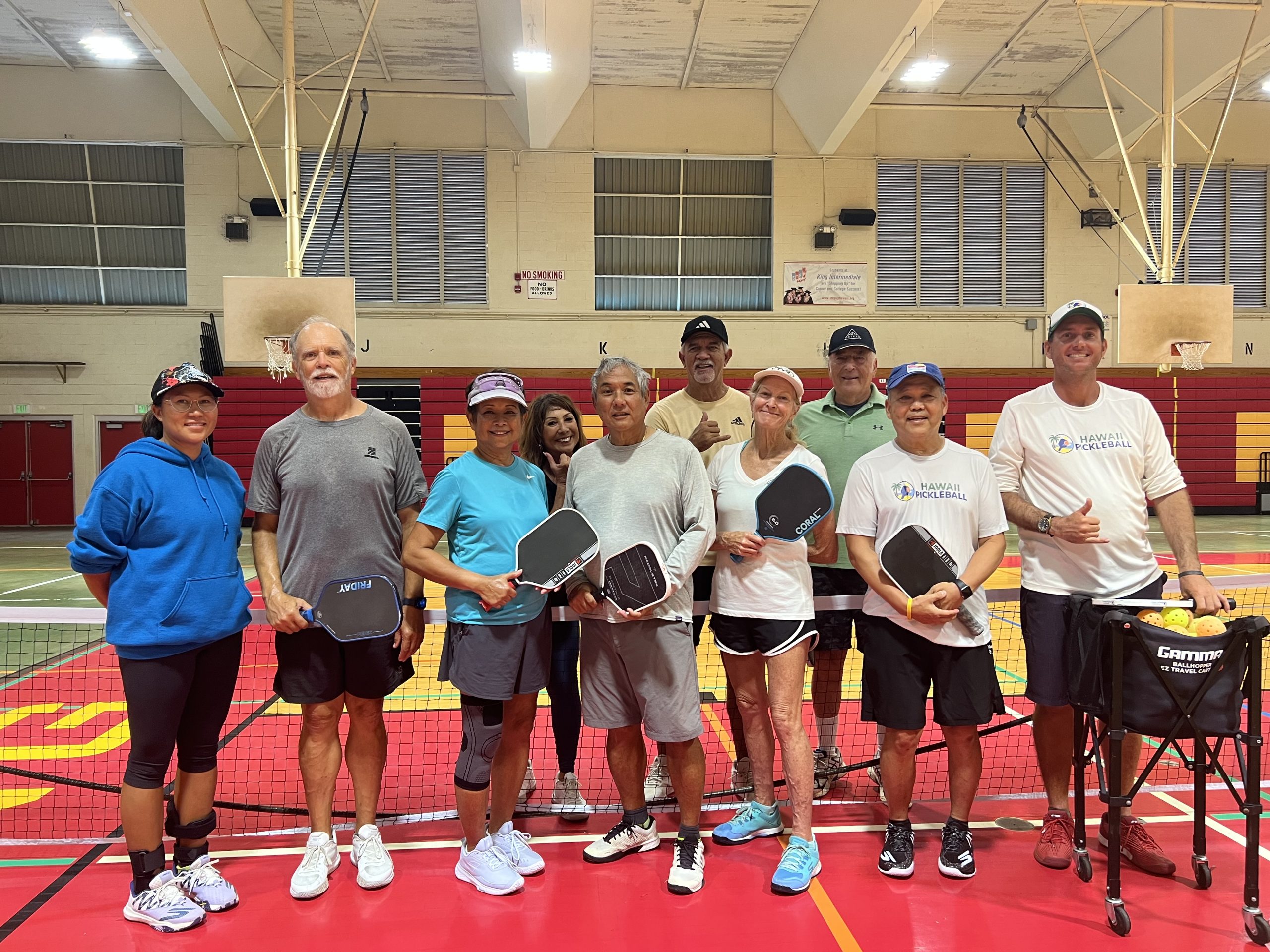
On Oʻahu, structured programs like those offered through Hawaii Pickleball Academy® focus on long-term player development rather than random clinics.
How Many Lessons Do You Need to Learn Pickleball?
This depends on your goals.
Casual Player
2–3 lessons to understand:
- Rules
- Scoring
- Basic strokes
- Court positioning
Improving Player
5–10 lessons to build:
- Consistent third-shot drops
- Dinking control
- Transition footwork
- Defensive resets
Competitive Player
Ongoing structured training + private lessons + match review.
Most adults on Oʻahu see noticeable improvement after a structured 5-session series (typically 1.5 hours each).
Improvement doesn’t come from time — it comes from feedback.
What Do Pickleball Coaches Charge on Oʻahu?
Honolulu court rentals are expensive, so pricing reflects that.
Here’s the average range:
| Lesson Type | Average Cost on Oʻahu |
|---|---|
| Group Clinic | $40 – $75 per session |
| Private Lesson | $90 – $140 per hour |
| Semi-Private (2–4 players) | $60 – $100 per person |
| 5-Week Structured Program | $300 – $400 |
If you see prices significantly lower, check:
- Group size
- Court quality
- Coach experience
Remember — cheaper isn’t always better if you’re sharing one court with 12 players.
Do You Tip for Pickleball Lessons?
Tipping is not expected in pickleball coaching, and generally, people do not tip for lessons.
However:
- Some players choose to tip for private sessions at their own discretion.
- Holiday gifts are common and always appreciated.
- Referrals are one of the best ways to show appreciation and support your coach.
- The coaching industry functions more like personal training than restaurant service.
Where Can You Learn Pickleball for Free on Oʻahu?
Free open play is available at several popular locations:
-
Fort DeRussy Beach Park: The Best Beach Pickleball Courts in Hawaiʻi
-
Ala Moana Pickleball Courts (Honolulu): Lights, Open Play, Hours & Parking
- Mahiko Park Pickleball: Best Open Play in ʻEwa Beach
Free play is excellent for:
- Experience
- Social play
- Repetition
But it does not replace structured instruction.
Think of open play as “application.”
Think of coaching as “acceleration.”
What’s the Average Cost of a Pickleball Court in Hawaiʻi?
Many players are surprised by this.
Public Courts
Free — first come, first serve.
Private Court Rental
$50 – $150 per hour depending on location and exclusivity.
Building a Court
- Outdoor build: $25,000 – $50,000+ per court
- Indoor warehouse conversion: $100,000+ investment
Court access is one of the biggest barriers to growth in Honolulu, which is why organized programs with secured court space provide so much value.
Final Thoughts: What’s the Smartest Way to Improve?
If you’re serious about getting better in Honolulu:
Start with fundamentals
Train in small, structured groups
Separate by level
Play consistently
Get private correction when needed
Most players plateau because they rely only on open play. Real improvement usually requires a structured approach—either by taking lessons or drilling with friends who understand what actually works.
If your goal is long-term development rather than just hitting balls, choose a coach or program that is designed to help you consistently progress to the next level.