
Pickleball Footwork: How to Move Properly on the Court
Good footwork is not about moving faster all the time. It is about arriving balanced, creating space for the shot, and recovering early enough to handle the next ball.
Updated September 2026
Players often focus on paddle technique and ignore what their feet are doing. But many “shot problems” are really positioning problems. If you are late, jammed, reaching, or moving through contact without control, the stroke has very little chance to feel repeatable.
1. Start From a Balanced Ready Position
Keep your knees comfortably flexed, your weight athletic rather than sitting back on the heels, and the paddle in front. The stance should feel ready to move in either direction.
You do not need to stay frozen in one exact posture. The goal is simply to avoid standing so tall or so narrow that your first movement becomes slow.
2. Use a Split Step When the Opponent Hits
A small split step or readiness hop can help stop your momentum and prepare you to react. The timing matters more than the size of the jump.
If you are moving forward from the baseline, try to settle your feet as the opponent is about to contact the ball. That makes it easier to change direction or block a fast shot.
3. Shuffle for Short Lateral Movement
At the kitchen line, many side-to-side movements are small enough that a shuffle or adjustment step is more efficient than crossing the feet.
Keep your base wide enough to stay balanced, but do not make the steps so large that you become stuck when the ball changes direction.
4. Use a Crossover When You Need More Distance
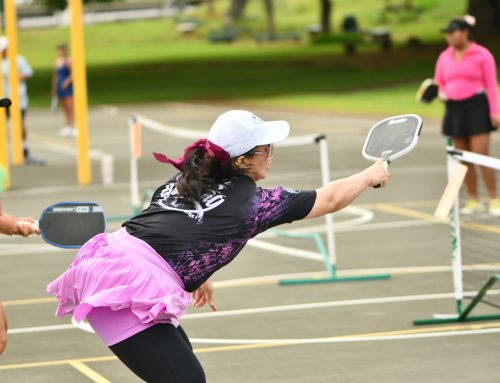
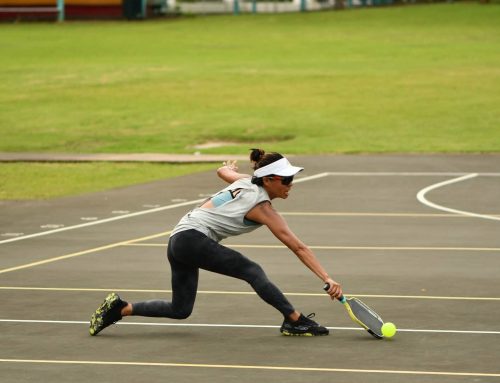
If the ball is hit wide, a shuffle may not cover enough ground. A crossover step lets you move faster across a larger distance.
- Wide passing balls
- Recovering after being pulled off court
- Chasing a lob
- Transitioning quickly from one side of the court to the other
Once you reach the area, shorten the steps again so you can regain balance before contact.

5. Move Forward Through the Transition Zone With Control
The transition zone is difficult because players are moving forward while opponents may be attacking. Do not treat it like a sprint to the kitchen.
Move forward when the ball allows it. If the opponent can attack, stop and get balanced. A good reset may give you another chance to advance on the following ball.
6. Move as a Team in Doubles
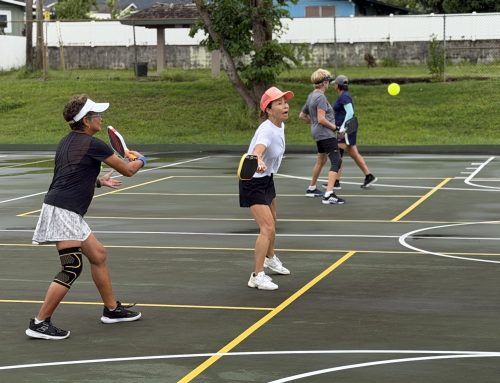
Both partners should respond to where the ball is. If one player is pulled wide, the partner usually shifts to protect more of the middle. If the ball moves across the court, the team shape changes with it.
The older version of this article described moving “like you are connected by a rope.” That can be a useful visual, but it is not literal. Mobility, handedness, ball direction, and matchup strategy can all change how far each player should move.
7. Recover Based on the Next Ball
After you hit, do not stop to admire the shot. Start preparing for the opponent’s most likely reply.
- Did your angle pull them wide?
- Did your ball go high enough that you should expect an attack?
- Is your partner also moving?
- Did you leave the middle or sideline exposed?
Advanced movement is less about always returning to one “ideal” spot and more about recognizing what position makes sense for the next exchange.
8. Three Footwork Drills
Final Thoughts
Footwork should make the stroke easier. If your feet consistently put you too close, too far away, or off balance, changing the swing alone will not solve the problem.
Work on movement slowly enough that you can feel the correct spacing, then add speed and live points.
Want to Improve Your Movement?
Hawaii Pickleball Academy® builds footwork and positioning into private lessons, clinics, and small-group training.
Explore Lessons