
Pickleball Clinic Recap: Advanced & Intermediate Training
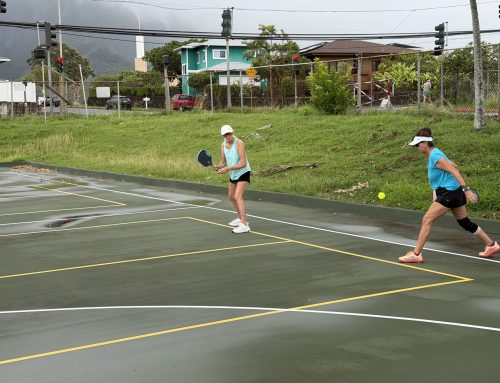
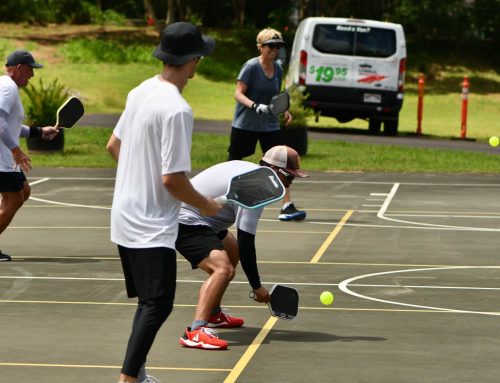
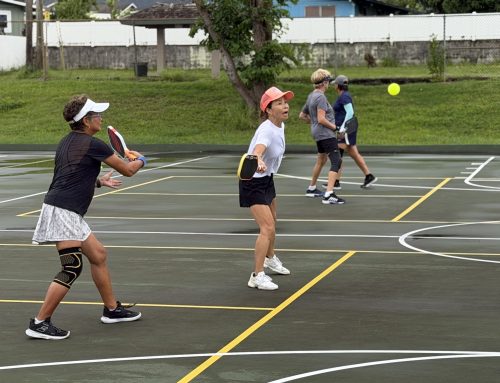
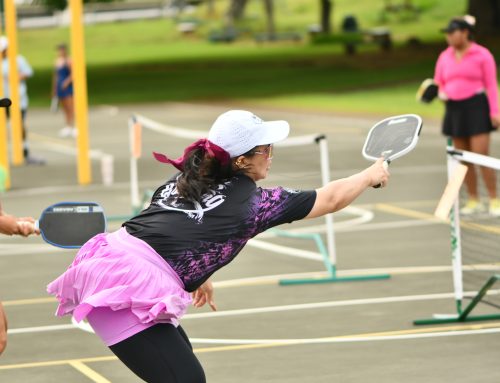
The Advanced group worked on creating angles and finishing points from the transition zone. The Intermediate group focused more on resets, choosing between drops and drives, and using the right amount of pace for the situation.
Updated September 2026
Advanced / Intermediate+ Group
We began with dinks aimed toward the outer corners of the kitchen. The purpose was not simply to hit a sharp angle. The goal was to move the opponent far enough that the next ball might open space through the middle or down the line.

Inside-Out Drives From Mid-Court
The next drill used cones as targets for forehand and backhand inside-out drives. The goal was to hit through a specific window and pull the opponent away from a comfortable central position.
One of the coaching cues was to let your body move in the direction you want the ball to travel. When the feet, hips, shoulders, and paddle are all fighting different directions, control becomes much harder.
Angled Volleys vs. Straight Volleys
We also compared angled volleys with volleys hit more directly through the court. This helped reinforce that the fastest volley is not always the most difficult ball for an opponent.
A shorter angle can pull a player off the court. A firm ball through the middle can reduce reaction time. A controlled volley down the line can be better than an uncontrolled swing at maximum pace.
Biggest takeaway for the advanced group: accuracy often creates the next winning shot.
Intermediate Group
After the warm-up, the Intermediate group spent time on transition-zone resets. This is a difficult skill because players are often trying to soften a ball while moving forward and while the opponent is hitting with pace.
Grip pressure changes the response too. A firmer grip generally returns more of the incoming energy, while softer hands can help take pace off the ball. The exact amount depends on ball speed, paddle angle, contact point, and the result you want.

Drive or Drop? Make a Decision From Mid-Court
We then alternated between drives and drops from the transition area before playing the point out live. That matters because a player can hit a technically good drop and still choose the wrong time to use it.
The drill forced players to look at the ball they received, decide what type of shot made sense, and then deal with the next ball instead of treating each shot as an isolated technique.
The session finished with short games so the players had to apply those decisions under real point pressure.
Three Ways to Practice These Skills
Final Takeaway
The Advanced group and Intermediate group worked on different shots, but both sessions came back to the same principle: the best shot is the one that helps you control what happens next.
Power can be useful. So can a soft reset. So can an aggressive angle. The skill is recognizing which one fits the ball in front of you.
Want to Train in a Monthly Clinic?
Hawaii Pickleball Academy® currently offers level-based 90-minute clinics around Oʻahu, with current sessions starting around $60.
View Current Clinics